Visiting Lough Hyne in West Cork (Written by a local)
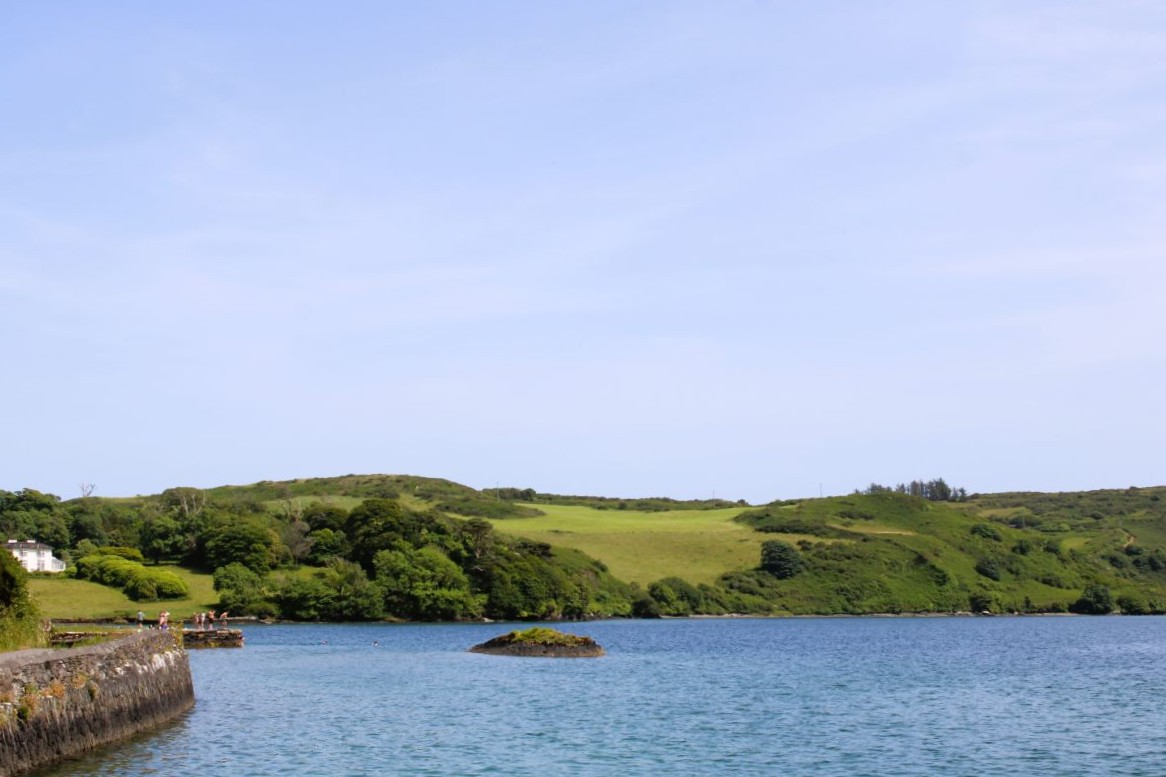
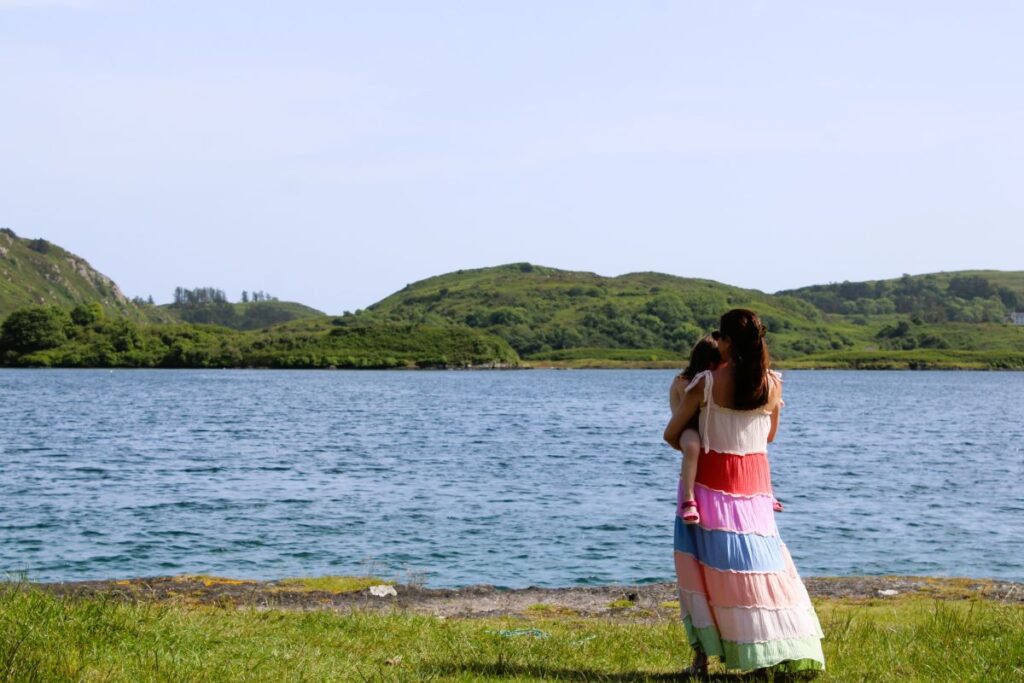
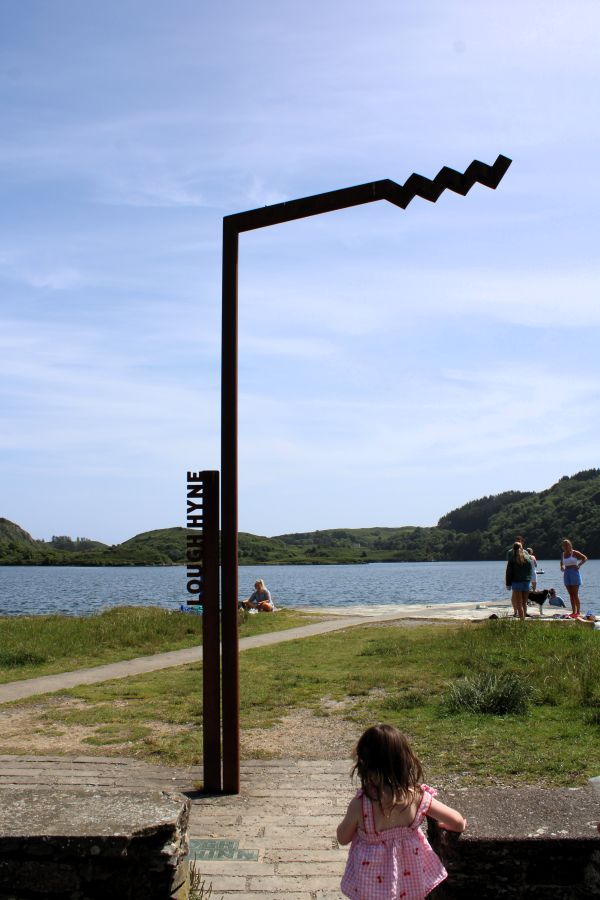
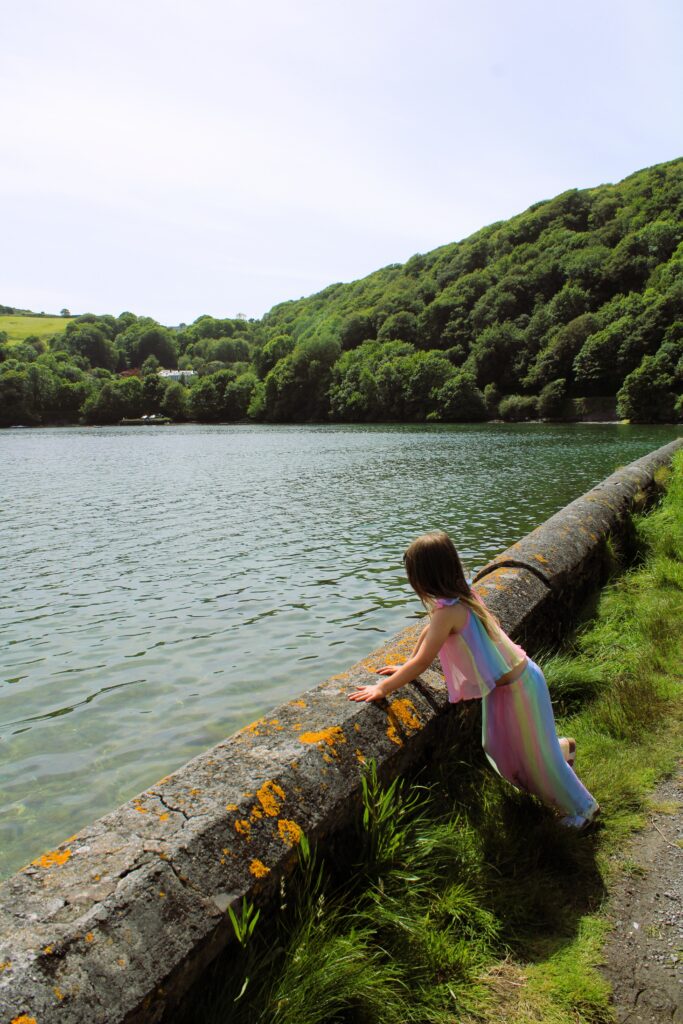
This short guide will tell you all about Lough Hyne in West Cork! This saltwater lake is actually Ireland’s first Marine Nature Reserve, designated back in 1981. It’s tucked away in a lush valley, not too far from Skibereen and Baltimore, and is surrounded by beautiful rolling green hills.
What makes this lake really worth visiting, though, is this narrow channel called “The Rapids” that connects it to the Atlantic Ocean. This connection lets seawater flow in and out, making it a unique spot that’s packed with all kinds of marine life like lobsters, sea urchins, and around 72 different species of fish!
Yep, it’s fair to say that Lough Hyne is a biodiversity hotspot, with all sorts of fish, invertebrates, and seaweeds – some of which you can’t find anywhere else in Ireland. Would you believe there are over 1,840 marine species (that’s around 75% of Ireland’s marine creatures) found in this lake of just half a square kilometer in size!
Getting to Lough Hyne:
Lough Hyne is located 5 km from Skibbereen and 10 km from Baltimore – it’s part of the Wild Atlantic Way drive, one of the most famous road trips in Ireland. You will need a car to get here, and you’re best to take the turn off (it’s signposted) near the Skibbereen & West Carbery Golf Course, as this is the easiest and widest road in and out.
What is there to do in Lough Hyne?
Surprisingly, there’s a lot to do at Lough Hyne – in that, you could easily spend a full day here. But note there are no shops or Cafes down here, so you will need to bring everything you need with you.
Night Kayaking & Bioluminescence:
A must-try experience here is the guided night kayak tour, where you can witness the lake come alive with a neon blue-green glow. This phenomenon is caused by tiny bioluminescent plankton that light up when disturbed by the strokes of a paddle. These enchanting tours typically last 2.5 hours and run nightly from April through October. You can book your guided night kayaking tour here.
The Knockomagh Hill Walk:
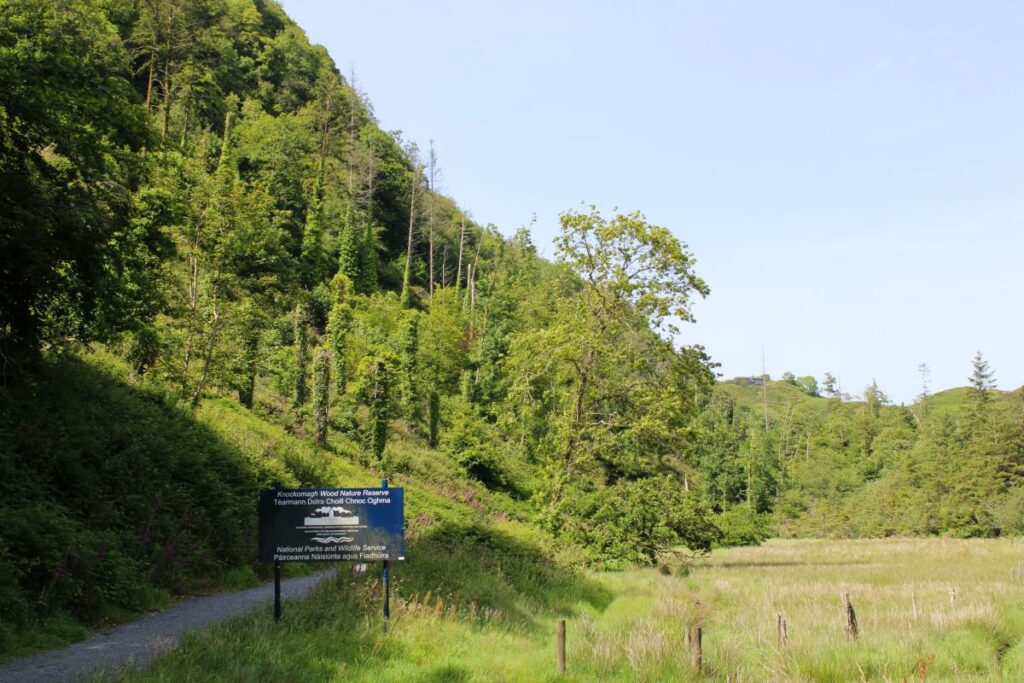
If you’re after breathtaking, panoramic views of the lough and its islands, then have a go at the looped woodland and hill trail. Although the path is relatively steep, the stunning vistas from the summit make the effort worthwhile. The trail is 3.4 km long (out & back) and will take most people around 1.5 hours to complete.
Swimming and/or Scuba Diving:
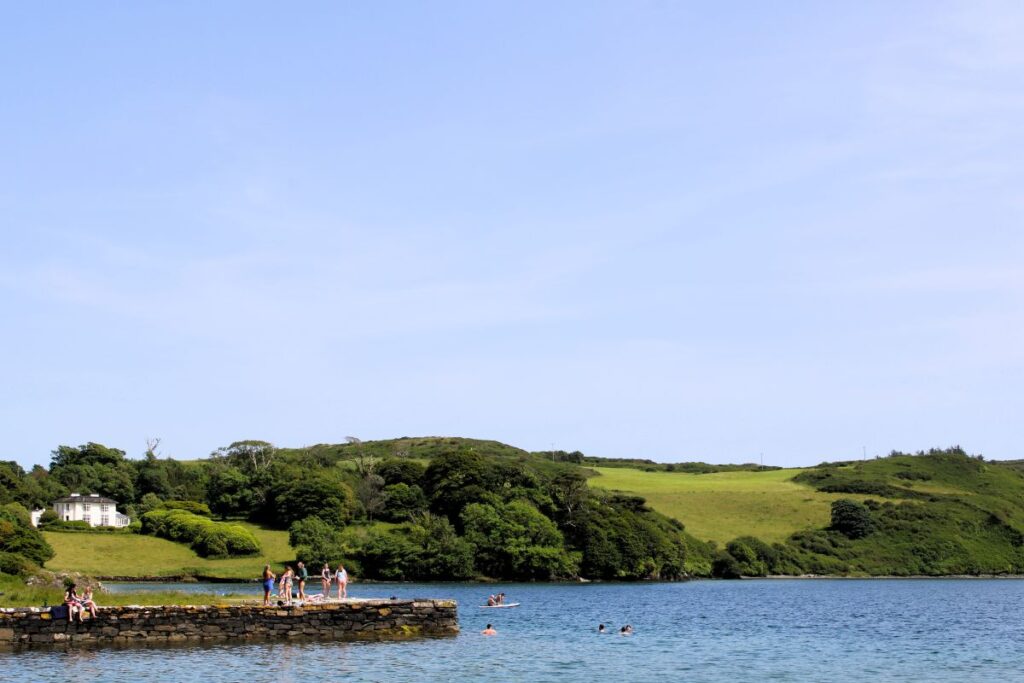
The clear and serene waters of the lake mean it’s popular with both casual swimmers and scuba divers, who delight in exploring the rich diversity of underwater marine life here.
As I explained a bit earlier, due to its unique sheltered geography, warm, oxygen-rich waters, and fluctuating tidal currents, this area allows animals and plants usually found in deep mesophotic zones to flourish in much shallower waters. On any given day here, you could come across fish like monkfish or mackerel, or more unique creatures like the velvet swimming crab and a purple sea urchin.
I will add that the bottom of the lake can be rough, so it’s best to wear swimming shoes to make it easier to get in and out.
See St Brigid’s Church:
Perched above the narrow tidal channel known as “The Rapids,” lie the intriguing ruins of an 8th-century church. This church is dedicated to St. Brigid. Next to it is St. Brigid’s Well. These both served as secret places of worship during Penal Times when Catholicism was outlawed.
Spot the ruins of the Castle on the island:
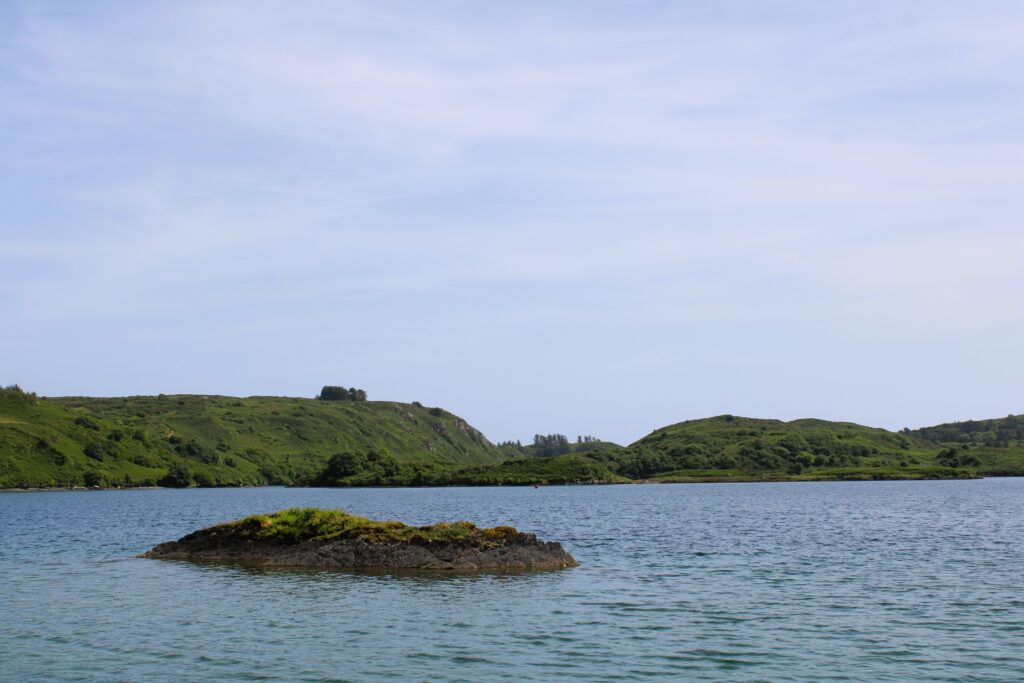
Castle Island, in the middle of the lake, is home to the ruins of Cloghan Castle, an ancient fortress historically belonging to the O’Driscoll clan. The castle is also known as Labhra Ó Leencha’s castle, according to Irish folklore, which was once home to a King with ears as large as a donkey’s.
This king was very secretive about his ears, and every year, a neighbor was chosen to cut his hair, but this task came with a deadly price: the barber would be killed to prevent the secret from being revealed. When a widow’s son was selected, his mother pleaded for his life. The king agreed to spare him, provided he never disclosed the secret. Burdened by this knowledge, the boy sought advice from a priest, who instructed him to share the secret with the earth by digging a sod. He did so by a lake, and when the reeds grew, they sang “Labhar Ó Loingsigh has two horse ears” with the wind’s first gust. Hearing this, the king vanished, sailing away across the ocean.
Is there anything to do close by:
As I said above, the two closest towns to Lough Hyne are Skibbereen and Baltimore. If you’re driving here from Cork City, Skibbereen will be the town you come to first. Kick off your visit here at the Skibbereen Heritage Centre to dive into the Great Famine and the area’s rich history.
Drombeg Stone Circle (aka the Druid’s Altar), which dates back to the Bronze Age, is a short drive away, too.
And when it comes to food, you can’t miss the local farmers’ market, which is held every Saturday until 2 pm, or The Church Restaurant in the town center (which is where we recommend having lunch while in town).
While in Baltimore, you can get to both Sherkin Island and Cape Clear Island by ferry. Also, be sure to stop off at The Baltimore Beacon, a famous landmark that provides panoramic views of the Atlantic Ocean.
Renting a Car in Ireland
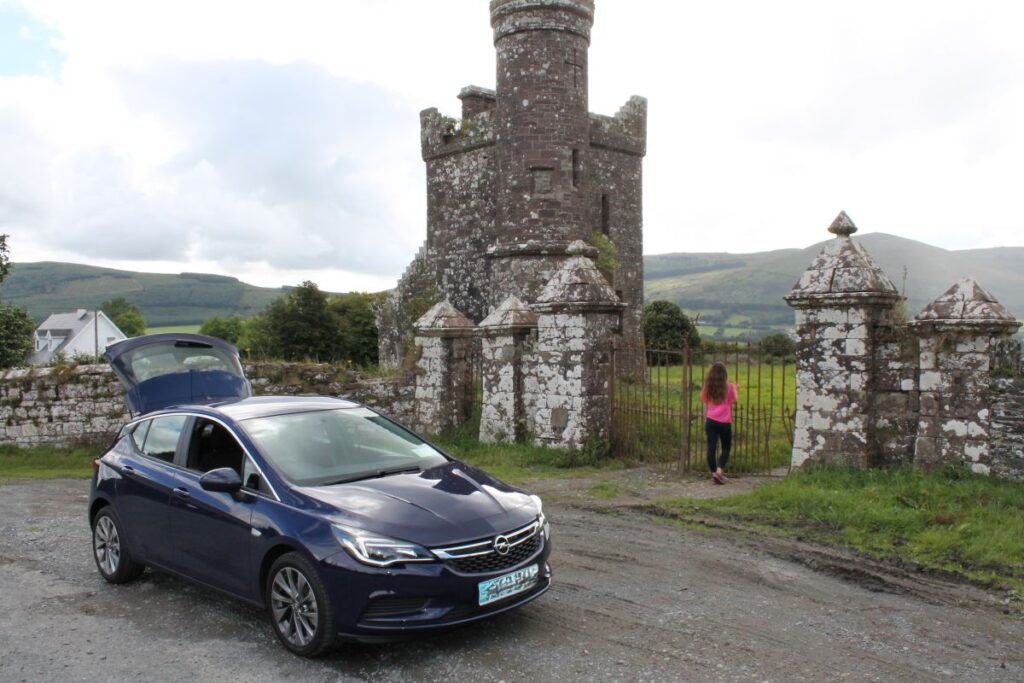
When it comes to driving in Ireland, choose a vehicle that suits your travel needs. If you’re planning to explore rural areas or rugged landscapes, consider renting a compact or four-wheel-drive vehicle, which will handle narrow, winding roads more efficiently. Be sure to book your rental car well in advance, especially during peak tourist seasons, to secure the best rates and availability.
The cost of renting a car in Ireland can be expensive. However, there are some ways you can save money. We tend to always book our rental car through Discover Cars. This is a search engine for rental cars and allows you to filter by price if you’re on a budget or by vehicle type if there’s a specific car you’re after.
- Generally speaking, you can expect to pay around €300 per week for a manual (stick shift) economy car; this will rise to around €350 during the peak months of June, July and August.
- Try to rent your vehicle from major cities such as Dublin, Cork, Galway, Belfast, and Limerick. That’s because car hire companies in smaller cities tend to have fewer and more expensive options.
- Book as small a car as you can manage!
- We highly recommend selecting fully comprehensive car insurance. The roads and car parking spaces in Ireland are narrow, so it will quell your fears of getting a bump or scratch. Check if your credit card insurance covers this (some do!)
Slainte!
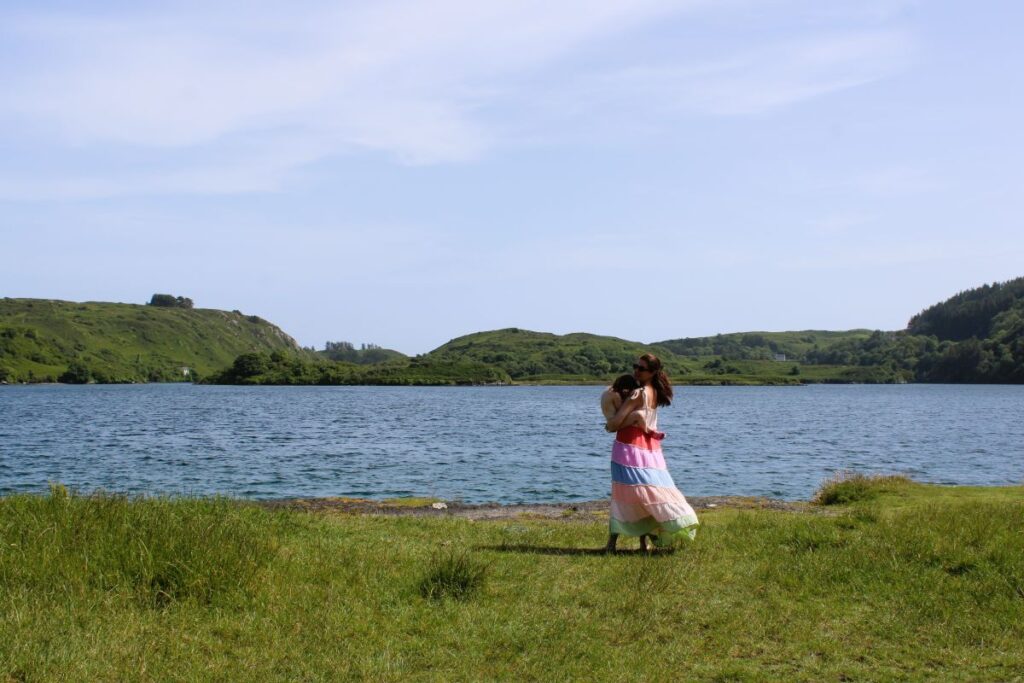
I hope you enjoyed reading all about lovely Lough Hyne in West Cork. We love it here and aim to visit regularly this summer.
You may also enjoy reading –