Driving from Dublin to Glendalough: Where to Stop Along the Way
The drive from Dublin City to Glendalough in County Wicklow will take around an hour and a half (72 km) without stopping. But, actually, I recommend turning this drive into a full-day tour and stopping off along the way in places like Bray and Roundwood. My road trip below takes a slight detour down to Powerscourt Waterfall and Greystones, which will take a small bit longer but is so worth it!
Dublin
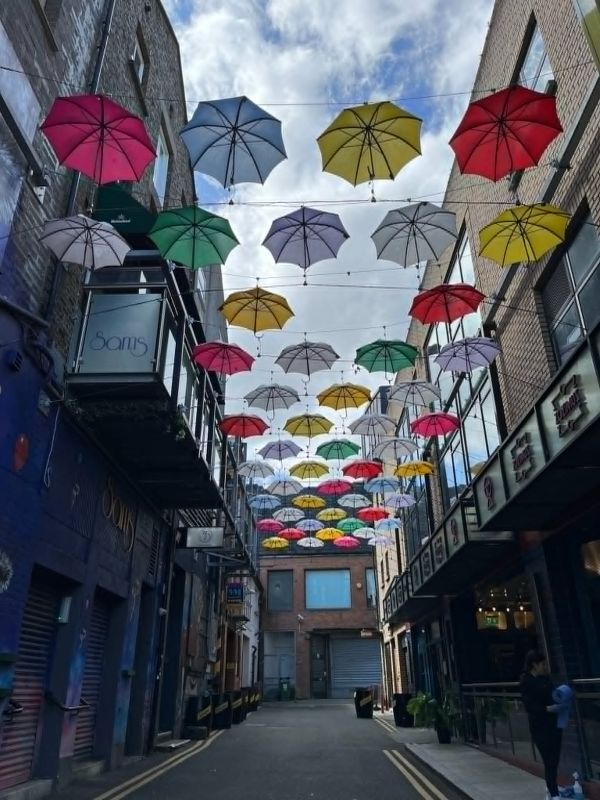
Before you set off on the drive to Glendalough, be sure to spend a few days (or at least a day) in Dublin. As Ireland’s capital and largest city, Dublin boasts a variety of attractions that cater to all interests.
If you’re into history, you’ve got to check out the medieval Dublin Castle or swing by the iconic Trinity College to see the world-famous Book of Kells. And if you’re an avid reader like me, you should definitely hit up the Dublin Writers Museum. And, of course, you can’t miss the Guinness Storehouse to sip on Ireland’s most famous beer! For a relaxing stroll, take a scenic walk along the River Liffey.
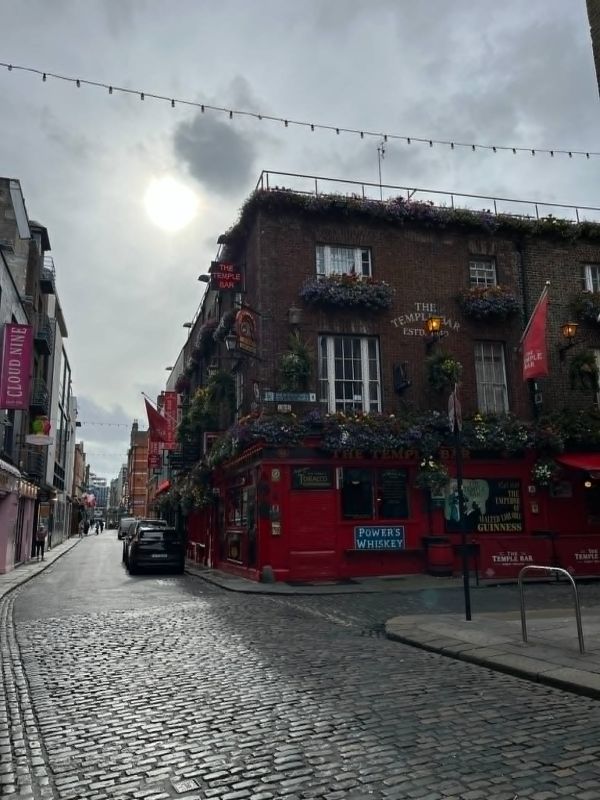
Overall, Dublin is a fun time – it’s got a super lively vibe, especially in the famed Temple Bar. Where you can dance (or just tap your foot) to traditional Irish tunes, enjoy some local beers, and eat delicious food.
Where to stay in Dublin:
- If your budget allows, a standout hotel in Dublin is The Westbury, a luxurious five-star hotel, just a stone’s throw from Grafton Street. It’s renowned for its opulent decor and exceptional service.
- The Dean Dublin is another cool option, it combines modern design with a lively atmosphere and boasts a trendy rooftop bar and stylish rooms.
Bray
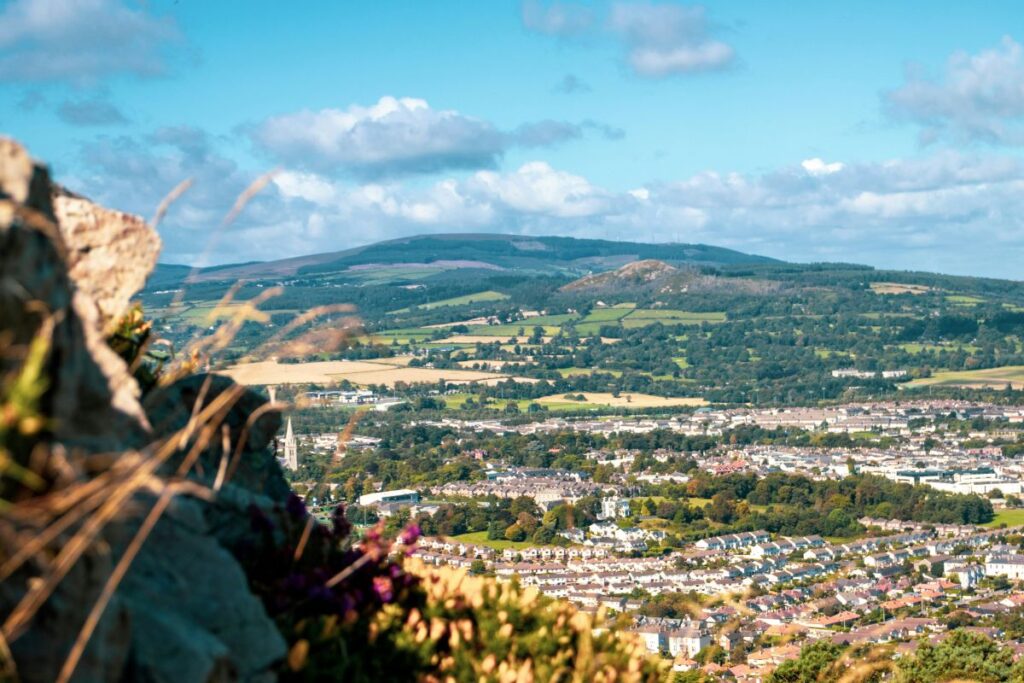
Bray in County Wicklow (around 50 minutes from Dublin) offers a perfect blend of natural beauty and cultural charm. Known as the “Gateway to the Garden of Ireland,” it boasts stunning coastal scenery, with the iconic Bray Head loop walk providing breathtaking views of the Irish Sea. The trail is 5.5 to 7 km long and is where you’ll find the iconic 1950s Holy Year Cross
The town’s Victorian promenade is lovely and lively, while the annual Bray Air Display attracts aviation enthusiasts worldwide. Visitors can explore the Sea Life Aquarium or learn about the local history at the Bray Heritage Centre.
Powerscourt Waterfall (detour)
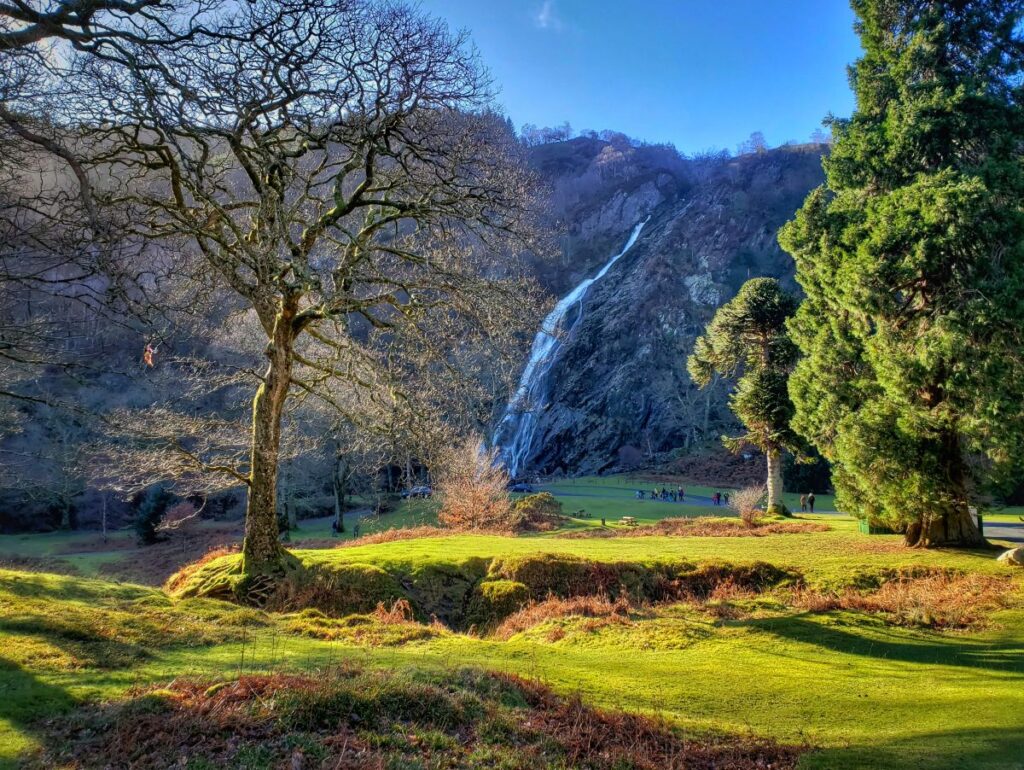
As the highest waterfall in Ireland, it cascades down 121 meters (398 feet) amidst the lush greenery of the surrounding forest; Powerscourt Waterfall is so worth visiting. The area around the waterfall is rich in biodiversity, with a variety of flora and fauna, including red squirrels and deer, adding to the mythical atmosphere. This waterfall is part of the historic Powerscourt Estate, which features beautiful gardens and a stately home.
Greystones (detour)
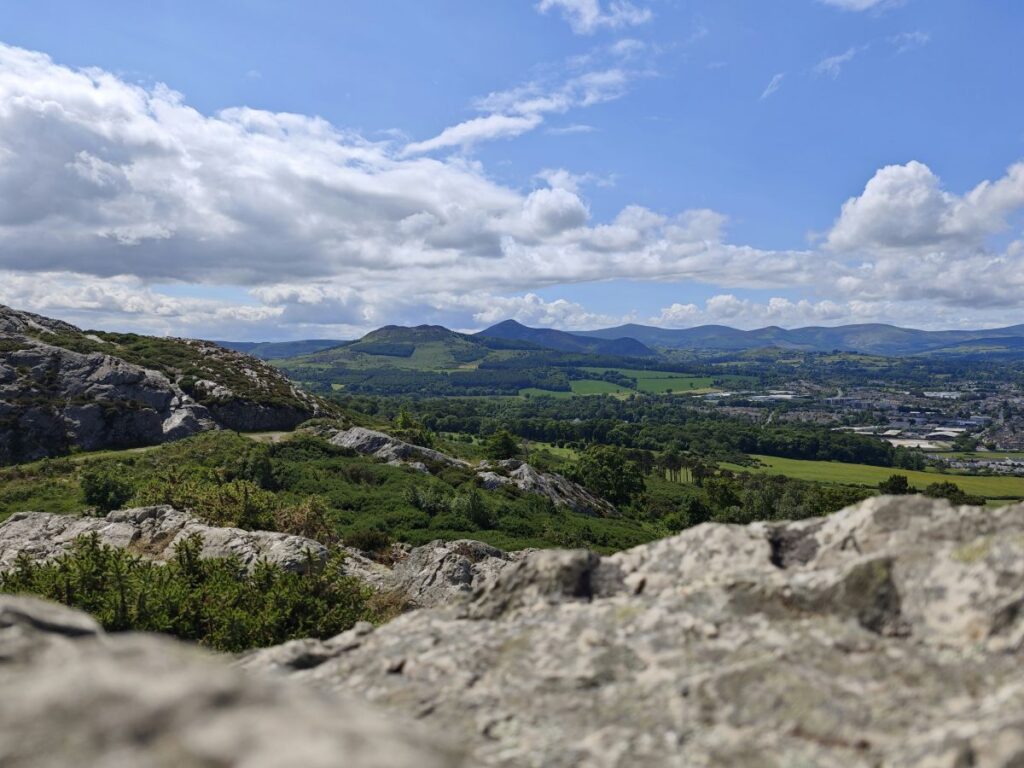
It’s around an extra 17 minutes of driving to get to Greystones, a charming coastal town also in County Wicklow. And it’s well worth the detour in my opinion as it offers a perfect blend of natural beauty and vibrant community life. Nestled between the Irish Sea and the Wicklow Mountains, it’s a haven for outdoor enthusiasts, with its scenic cliff walks and sandy beaches.
The town itself is quite a lively one with its eclectic mix of boutique shops, cozy cafés, and award-winning eateries. The Greystones Marina is a hub for water activities, and well worth checking out, too.
Roundwood
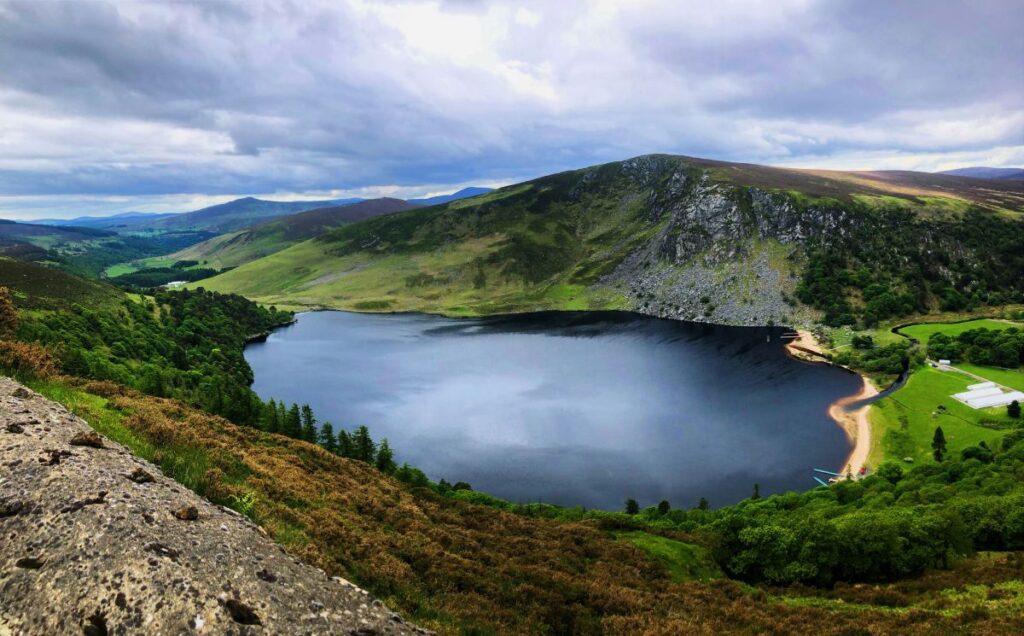
Once known as Tóchar, which means “The Causeway” in Irish, Roundwood is a paradise for outdoor enthusiasts, offering a variety of scenic walks and trails through its verdant rural and upland landscapes. Visitors can revel in the fresh air and stunning vistas near the Vartry Reservoir, nestled at the base of the Wicklow Mountains. Standing at 238 meters above sea level, Roundwood holds the distinction of being one of the highest villages in Ireland.
Glendalough
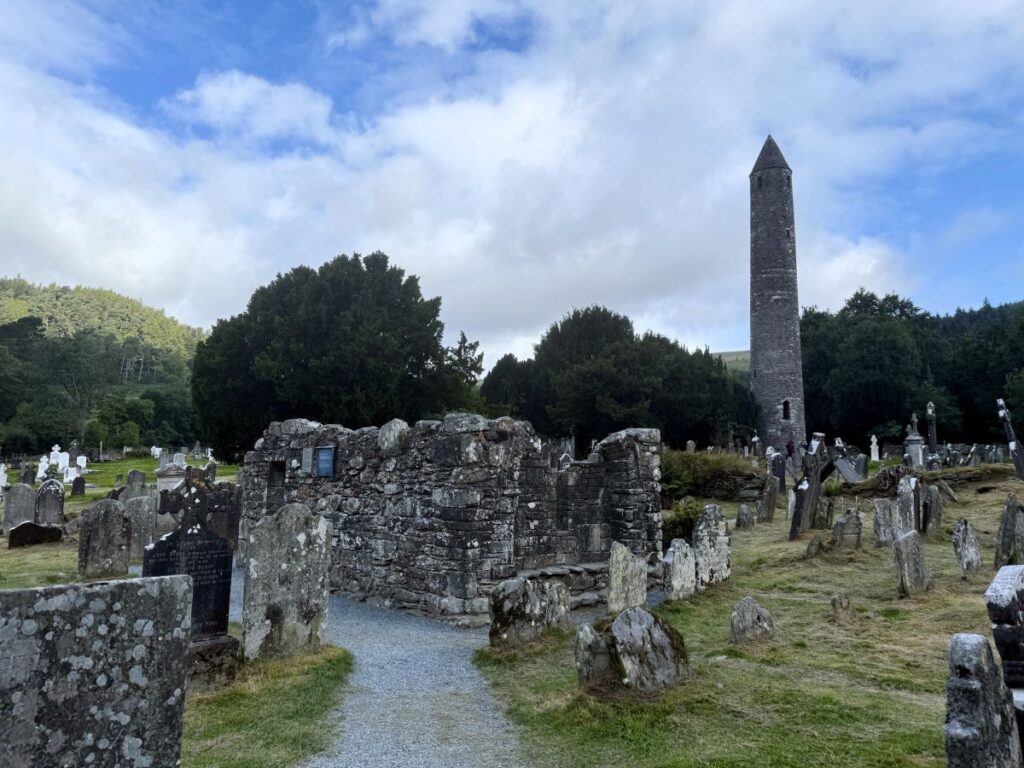
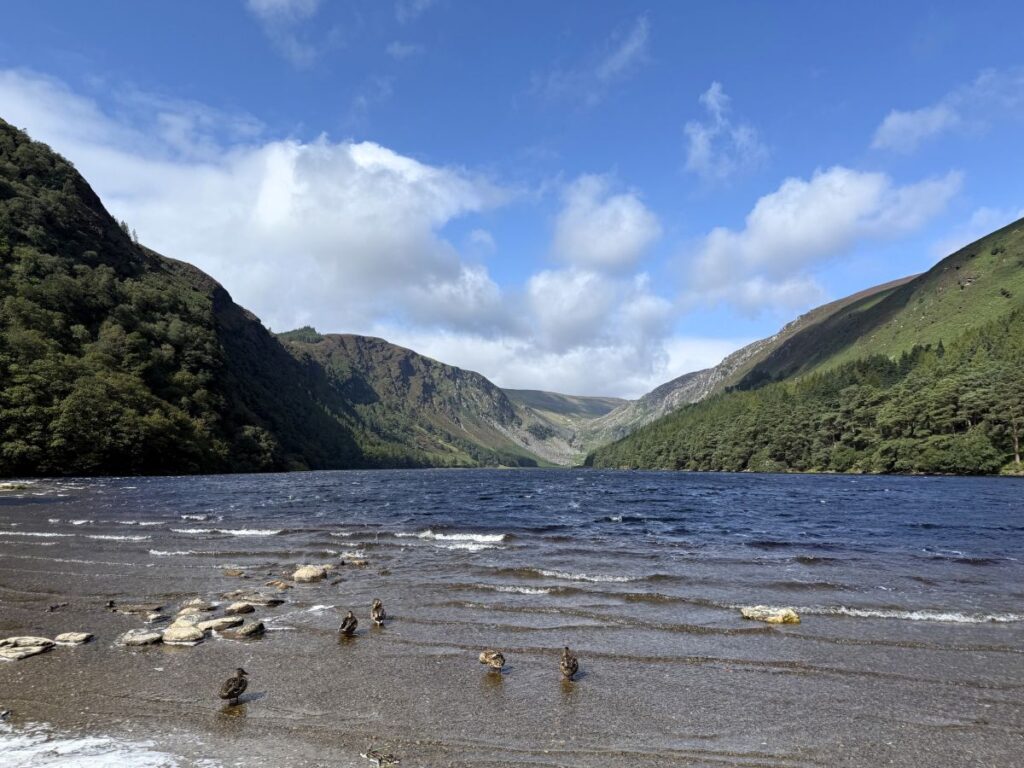
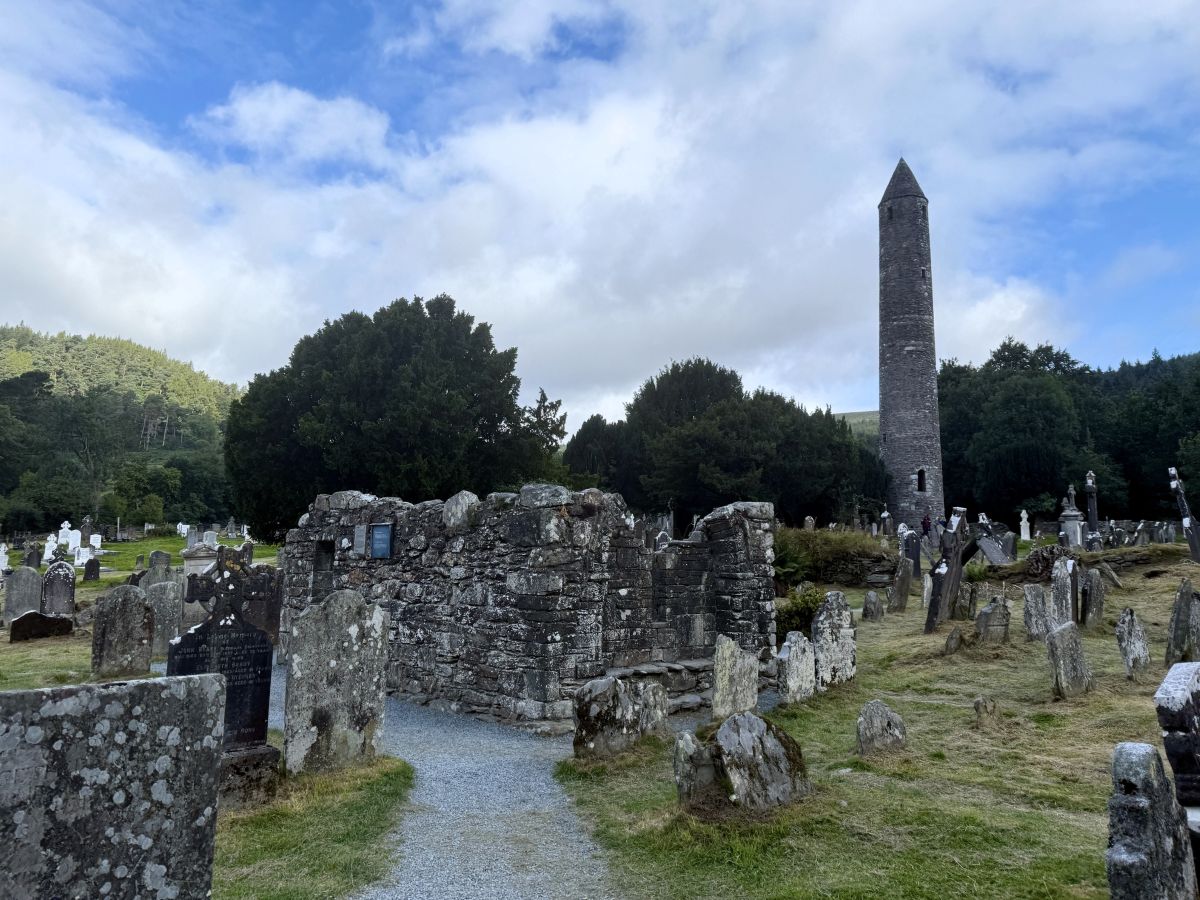
Glendalough (your final stop of this road trip) is a mesmerizing glacial valley known for its breathtaking natural beauty and rich historical significance.
The name “Glendalough” translates to “Valley of the Two Lakes,” and the area truly lives up to its nickname with stunning views of its upper and lower lakes, surrounded by lush greenery and rugged mountains. This enchanting landscape is heaven for hikers with a myriad of trails that cater to all levels of fitness, from the serene boardwalk around the lakes to the more challenging Spinc Ridge walk.
Beyond its natural beauty, Glendalough holds profound historical value as the site of an early medieval monastic settlement founded by St. Kevin in the 6th century. Be sure to explore the well-preserved ruins, including a round tower, stone churches, and ancient crosses, which offer a glimpse into Ireland’s early Christian heritage.
In short, the peaceful atmosphere of Glendalough, combined with its spiritual past, creates a unique sense of peace and reflection when you visit.
Where to stay near Glendalough:
Nestled in the heart of Wicklow Mountains National Park, the Glendalough Hotel boasts views of the historic ruins of Glendalough Cathedral. The hotel features en suite rooms, alongside a restaurant and pub.
Renting a Car in Ireland
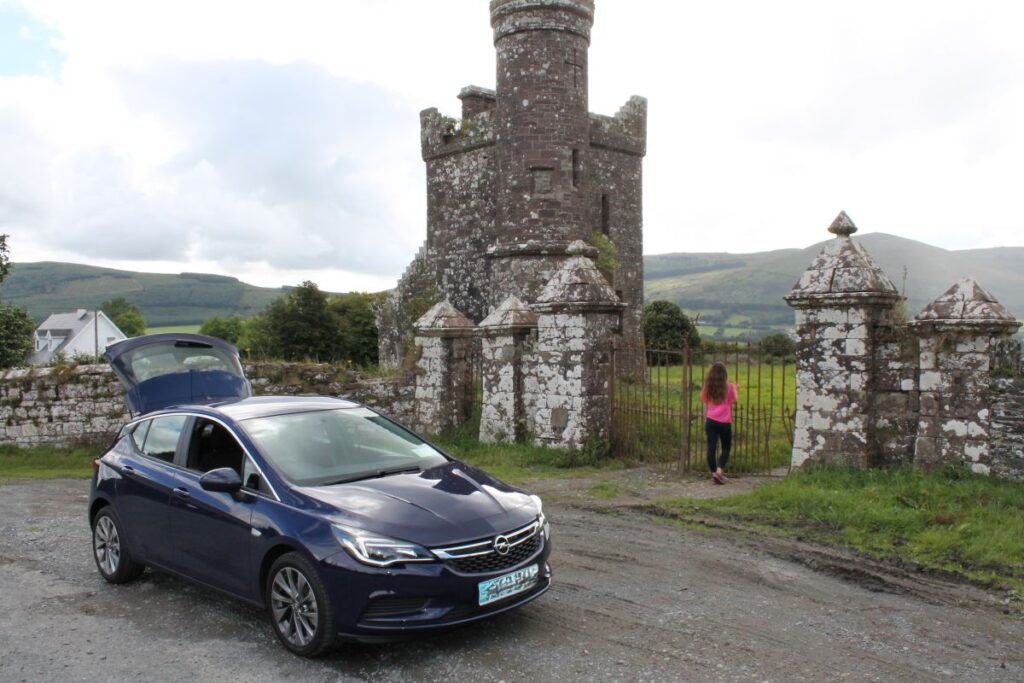
When it comes to driving in Ireland, choose a vehicle that suits your travel needs. If you’re planning to explore rural areas or rugged landscapes, consider renting a compact or four-wheel-drive vehicle, which will handle narrow, winding roads more efficiently. Be sure to book your rental car well in advance, especially during peak tourist seasons, to secure the best rates and availability.
The cost of renting a car in Ireland or a campervan in Ireland can be expensive. However, there are some ways you can save money. We tend to always book our rental car through Discover Cars. This is a search engine for rental cars and allows you to filter by price if you’re on a budget or by vehicle type if there’s a specific car you’re after.
- Generally speaking, you can expect to pay around €300 per week for a manual (stick shift) economy car; this will rise to around €350 during the peak months of June, July and August.
- Try to rent your vehicle from major cities such as Dublin, Cork, Galway, Belfast, and Limerick. That’s because car hire companies in smaller cities tend to have fewer and more expensive options.
- Book as small a car as you can manage!
- We highly recommend selecting fully comprehensive car insurance. The roads and car parking spaces in Ireland are narrow, so it will quell your fears of getting a bump or scratch. Check if your credit card insurance covers this (some do!)
☘️ Packing list for Ireland:
Clothing:
- A good raincoat – it rains a lot in Ireland, but the temperatures rarely fall below ‘freezing’, so a warm, easily layerable jacket is essential.
- For layering – I use this REI Midweight Half-Zip, which I find to be quite thick and insulative. I have it in the Dusk Heather and Black Heather colors.
- And I always buy these Sweaty Betty baselayer leggings for the colder days.
- Comfortable, loose pants for everyday – I wear my Sweaty Betty modal wide leg pants so much here.
- Sweaters and cardigans (about two of each).
- Jeans, comfortable pants (three pairs total).
- A scarf and a beanie.
Footwear:
- A decent pair of walking shoes – I wear my Teva Hurricane Sandals most of the time in the warmer months; they are so comfortable and have sturdy soles.
- My Hunter wellies are well-worn here on wet days.
- And if you’re going to be doing hikes here, then these Acrus boots from ArcTeryx are brilliantly rated, and they’re made from super material GORETEX.
- A pair of trainers or other casual shoes for everyday wear.
Accessories:
- Sunglasses with UV protection
- Belt
- Underwear
- A daypack like this Osprey one
- A small, wind-resistant umbrella like this one
- Camera (the Canon Powershot is my choice) or smartphone for capturing memories
- Reusable water bottle
Miscellaneous:
- Travel-sized toiletries (shampoo, conditioner, bodywash, facewash, deodorant)
- Moisturizing skincare products (wind can dry out skin)
- Sunscreen
- Toothpaste/ toothbrush
- Lip balm with SPF
- Hand sanitizer
- Wash cloths if you use them
Essentials:
- Travel documents (ID, passport, hotel booking confirmations, etc.)
- Travel insurance information
- Driver’s license (if you plan to drive here)
- Phone, charger, and international adaptors (if needed)
- A portable power bank
- Necessary medicines
- Cash (around 200 euros, just in case)
- Credit/ debit cards
Optional:
- Swimwear (if your accommodation has a heated pool or spa or for the beach if you’re coming in summer)
- Dressy outfit (for any special dinners or events)
- First aid items (band aids, pain relief meds, Imodium/Gaviscon, disinfectant wipes)
Thanks for reading 🙂
I hope you enjoyed reading my guide about driving from Dublin City to Glendalough – there really are some gorgeous places to see along the way.