Ireland in Spring: March, April or May? Weather, Crowds & Driving Tips by Month
Spring in Ireland runs from March to May. During these months, the weather’s just right – not too hot, not too cold – with average highs sitting around 11°C to 15°C (51°F to 59°F).
I will add that, according to the traditional Gaelic calendar, spring in Ireland is from February to April. But the weather stations, etc., use the Meteorological Calendar, so this is what I’ll use for this blog post.
Spring here in Ireland is a time of renewal and vibrant beauty. As the countryside awakens from its winter slumber, the landscape is painted with an array of colorful blooms. Daffodils, bluebells, and primroses blanket the fields and woodlands, making this the perfect time for hiking.
Spring is also when St. Patrick’s Day is celebrated (on March 17th). Attending a St. Patrick’s Day Parade is a highlight, giving you the chance to see cool parade floats and watch music and dance performances.
And the best part? Spring isn’t peak tourist season, so you don’t (typically) have to deal with crowds.
About the weather in Ireland in Spring
Spring in Ireland, as I said, runs from March to May, marking a delightful transition from the cold, wet winter to the milder, more inviting months. During this time, the Emerald Isle begins to live up to its name, as the landscape bursts into vibrant shades of green, accentuated by a tapestry of wildflowers like bluebells and primroses. Average temperatures range from 8°C (46°F) in March to around 12°C (54°F) in May, offering a refreshing climate for exploration.
Rain is a frequent companion, with showers often interspersed with sunshine, creating dramatic skies and rainbows that are quintessentially Irish. Packing layers and waterproof gear is definitely advisable!
🐑 Fast Facts About Ireland in Spring:
- March weather: 5°C (41°F) to 10°C (50°F) / daylight hours 7 am – 6:30 pm
- April weather: 5°C (41°F) to 13°C (55°F) / daylight hours approx. 6 am – 8:30 pm
- May weather: 50°F to 60°F (10°C to 15°C) / daylight hours 5:45 am – 9 pm
- Best places to see: The Burren, Blarney Castle, Gougane Barra, St Patrick’s Day Parade in Dublin, Rock of Cashel
- Essential items to pack for Spring: Waterproof jacket, waterproof everyday shoes, warm layering items.
March in Ireland:

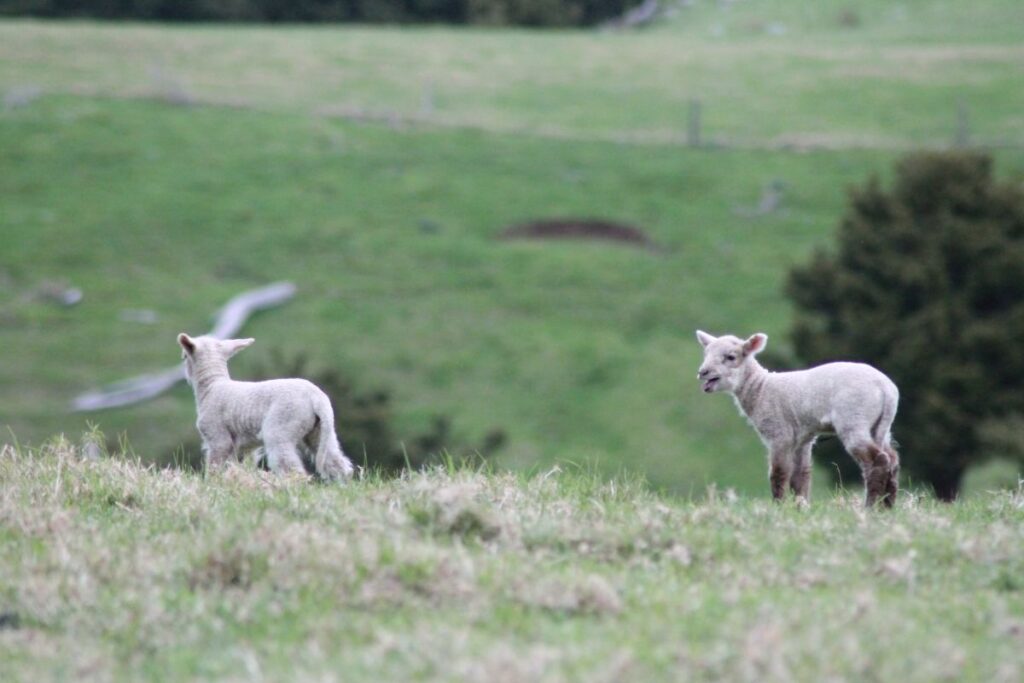
March in Ireland marks the beginning of spring, offering a mix of weather conditions. The temperatures are generally mild, ranging from about 5°C (41°F) to 10°C (50°F), although it can feel cooler with the frequent winds. Rain is common, and you might experience several showers throughout the day, but these can often be interspersed with periods of sunshine.
The lengthening days bring more daylight, with sunrise around 7 am and sunset around 6:30 pm by the end of the month. While snow is rare, particularly in the lowlands, the higher elevations might still see a dusting.
March is also when Ireland celebrates St. Patrick’s Day – on March 17th. So, be sure to head to a city or large town to watch the colorful floats; Dublin has the biggest St. Patrick’s Day Parade, closely followed by Cork, Galway and Belfast.
Easter is also in March in 2027 – Easter Sunday falls on March 28th. As a predominantly Catholic country, Easter holds significant religious importance, marking the resurrection of Jesus Christ. The week leading up to Easter, known as Holy Week, is filled with various religious services, including Good Friday. On Easter Sunday, churches across the country will be filled with parishioners attending Mass, which often includes joyous hymns and the lighting of the Paschal candle.
Beyond the religious aspect, Easter in Ireland is also celebrated with cultural events and family gatherings. Children eagerly hunt for chocolate eggs, a tradition that has gained popularity over the years.
Cork Easter Festival, held at the Racecourse in Mallow, is fun, and the Fairyhouse Easter Festival in County Meath is one of Ireland’s premier Easter highlights, featuring high-stakes National Hunt racing, Fashion Style Day, and a family fun day.
April in Ireland:
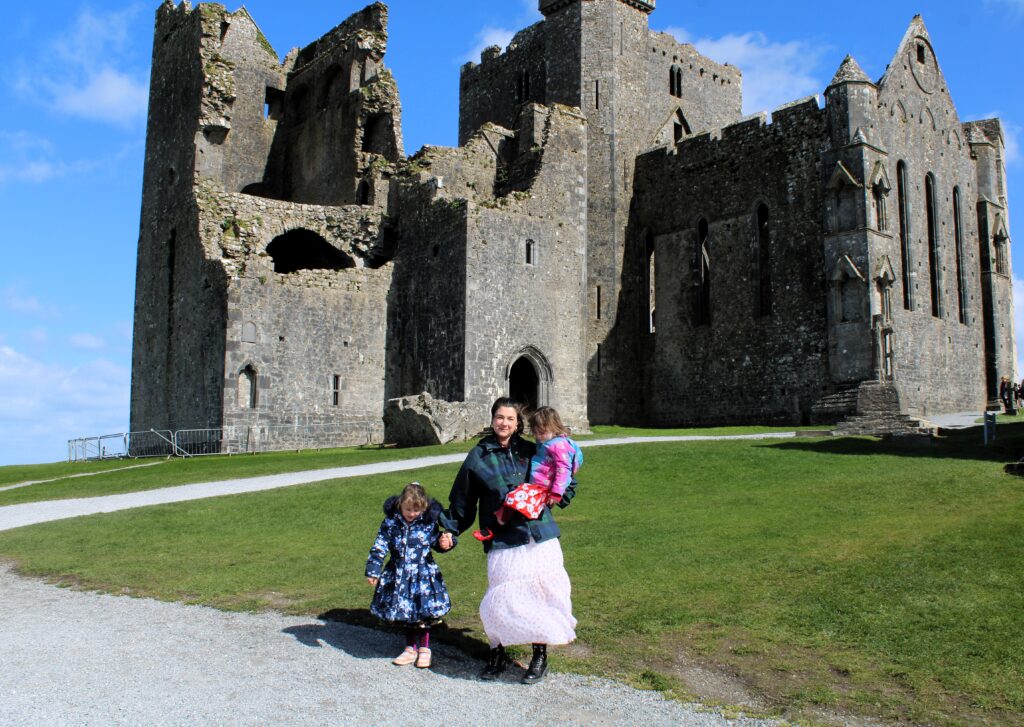
April weather in Ireland is often characterized by its unpredictability, with a mix of sunshine and showers typical during this time of year. Temperatures generally range from around 5°C (41°F) to 13°C (55°F), making it a relatively mild month. As spring progresses, you’ll notice the landscape coming to life with vibrant greenery and blooming flowers.
While rain is still common, April also brings longer daylight hours, providing more opportunities to explore the picturesque countryside and coastal areas. It’s advisable to dress in layers here in Ireland in April and be prepared for varying conditions, as the weather can change quickly.
Waterford Food Festival is a popular event in April – it’s basically a massive celebration of all things food and drink and is mainly held in Dungarvan and Waterford City. It features food markets and cooking demonstrations.
May in Ireland:


Temperatures in May typically range from 50°F to 60°F (10°C to 15°C), and May is often considered one of the driest months in Ireland, although occasional rain showers are still common, so it’s wise to carry a light raincoat or umbrella. In my opinion, it’s one of the prettiest times to visit Ireland as the countryside bursts into vibrant shades of green, and colorful wildflowers begin to bloom.
Sunrise in May is around 5:45 am, and sunset is approximately 9 pm. As the days progress, by the end of May, sunrise occurs around 5:10 an and sunset extends to about 9:45 pm.
Feile na Bealtaine is a lovely event to catch in Dingle, held on the May Bank Holiday Weekend (the first weekend in May) – this vibrant arts and culture festival in Dingle welcomes the arrival of May with music, art, and film.
Best places to see in Spring in Ireland:

The Burren
Renowned for its unique karst limestone terrain, the park offers a striking contrast to Ireland’s typically lush green scenery. The word “Burren” comes from the Irish “Boíreann,” meaning “rocky place,” which aptly describes the park’s expansive limestone pavements interspersed with grassland, hazel scrub, and woodlands.
Dublin for the St. Patrick’s Day Parade
Held on March 17th, the city hosts one of the most vibrant and renowned St. Patrick’s Day parades in the world, attracting visitors from all corners of the globe. Dublin truly comes alive with a rich tapestry of music, dance, and colorful floats.
Blarney Castle
Located in County Cork, Blarney Castle was built nearly 600 years ago by one of Ireland’s greatest chieftains, Cormac MacCarthy, is famed for its mythical stone that bestows the gift of the gab upon those who kiss it. The castle’s gardens are my favorite thing here, with whimsical features such as the Poison Garden and the magical Rock Close, rumored to be the domain of druids and fairies. The gardens, in my opinion, look the prettiest in late Spring (April).
Gougane Barra
This area in West Cork features a stunning glacial lake wrapped in lush green hills and thick woodlands. Right in the heart of Gougane Barra is the charming St. Finbarr’s Oratory. A tiny chapel on an island in the lake. This area is a haven for hikers (ideal hiking weather in Spring, FYI), with its network of trails that cater to all levels of fitness and experience. From gentle walks to more challenging hikes, the park’s trails meander through lush, dense forests of Sitka spruce and pine, alongside babbling brooks and towering hills.
Rock of Cashel
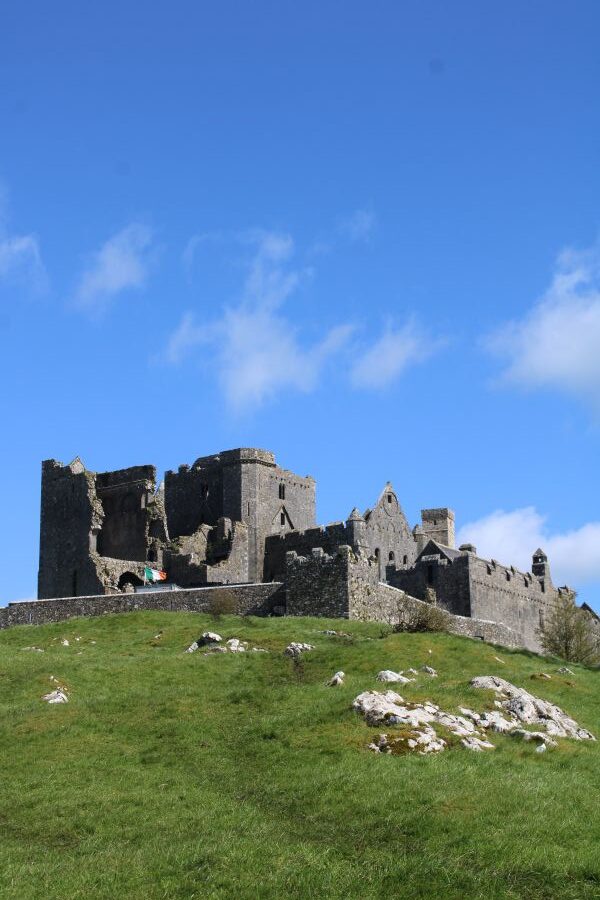
Also known as St. Patrick’s Rock, it is one of the most famous historic sites in Ireland, and so late March, April, and early May are good times to visit to avoid the crowds. The Rock of Cashel is said to be the site where Saint Patrick converted the King of Munster to Christianity in the 5th century. It served as the traditional seat of the Kings of Munster before being gifted to the Church in 1101.
Is it busy in Ireland in Spring?
While not as crowded as the peak summer months, spring still sees a fair number of visitors, especially during the Easter holidays and St. Patrick’s Day celebrations. Attractions like the Cliffs of Moher, the Ring of Kerry, and the bustling streets of Dublin can be busy, but generally, it’s a more relaxed time to explore.
Driving tips for Ireland in Spring:
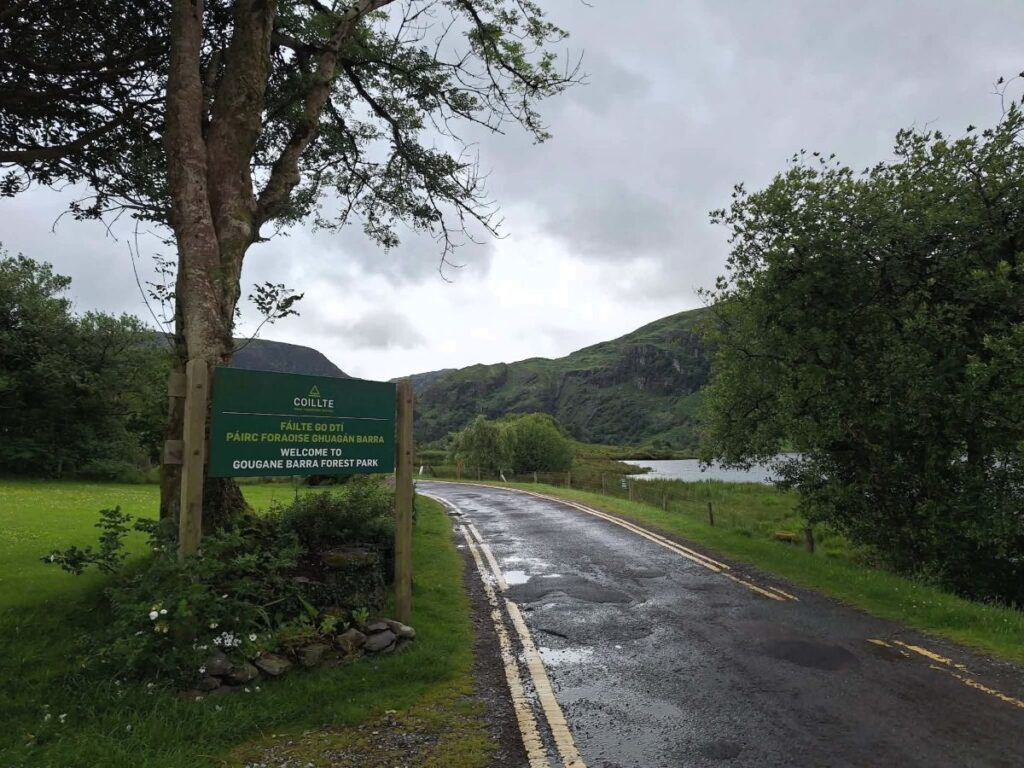
Driving in Ireland in the spring really is a scenic experience, as the countryside comes alive with lush greenery and blooming flowers. However, it’s important to keep a few tips in mind to ensure a safe and enjoyable journey.
Firstly, remember that driving in Ireland is on the left side of the road, which can take some getting used to if you’re accustomed to right-side driving. Rural roads can be narrow and winding, so it’s crucial to drive attentively and at a safe speed. Be prepared for occasional encounters with livestock on the roads, especially in more remote areas.
As I said above, weather in spring can be unpredictable, with sudden showers and mist, so keep your headlights if needed on and maintain a safe distance from other vehicles. Additionally, familiarize yourself with local road signs and speed limits, which are usually posted in kilometers per hour.
What to pack for Spring in Ireland:
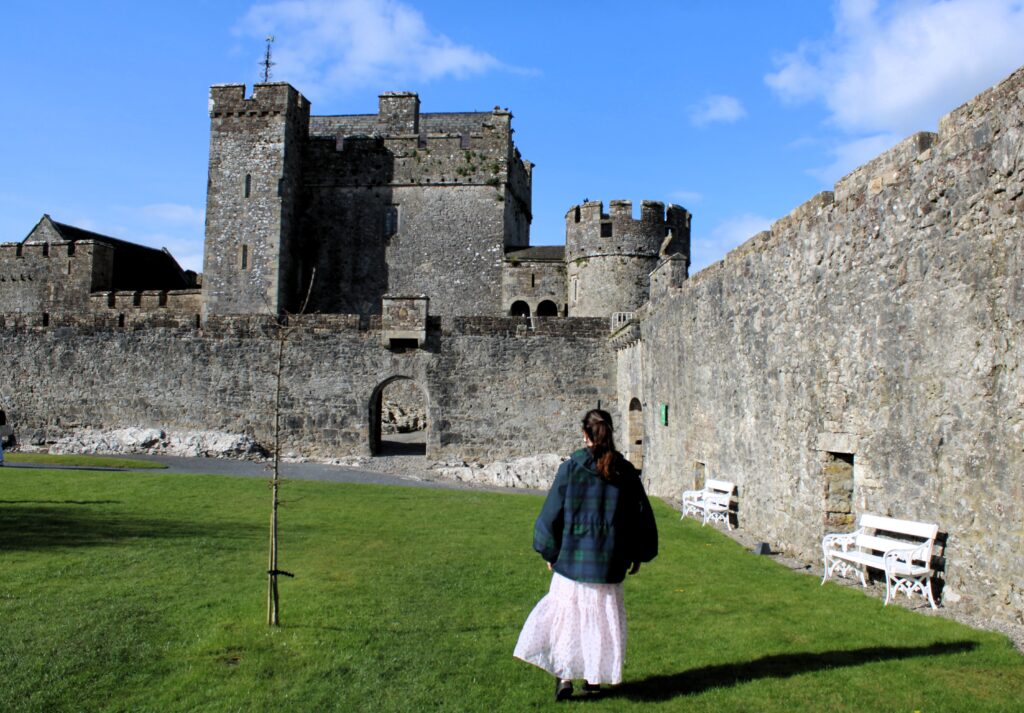

Clothes:
- A good raincoat – it rains a lot in Ireland in fall, but the temperatures are never ‘freezing’, so a warm, easily layerable jacket is essential.
- For colder days (in March and April) – I use this REI Midweight Half-Zip, which I find to be quite thick and insulative. I have it in the Dusk Heather and Black Heather colors.
- And I always buy these Sweaty Betty baselayer leggings for the colder days, too.
- Comfortable, loose pants for everyday – I wear my Sweaty Betty modal wide leg pants so much here.
- Sweaters and cardigans (about two of each).
- Jeans, comfortable pants (three pairs total).
- A scarf and a beanie if you’re coming in March/ early April.
Footwear:
- A decent pair of walking shoes – I have the Merrell Women’s Antora sneaker; they are waterproof and very comfortable for everyday wear.
- My Hunter wellies are well-worn here on wet days.
- And if you’re going to be doing hikes here, then these Acrus boots from ArcTeryx are brilliantly rated, and they’re made from super material GORETEX.
- A pair of trainers or other casual shoes for everyday wear.
Accessories:
- Sunglasses with UV protection
- Belt
- Underwear
- A daypack like this Osprey one
- A small, wind-resistant umbrella like this one
- Camera (the Canon Powershot is my choice) or smartphone for capturing memories
- Reusable water bottle
Miscellaneous:
- Travel-sized toiletries (shampoo, conditioner, bodywash, facewash, deodorant)
- Moisturizing skincare products (wind can dry out skin)
- Sunscreen
- Toothpaste/ toothbrush
- Lip balm with SPF
- Hand sanitizer
- Wash cloths if you use them
Essentials:
- Travel documents (ID, passport, hotel booking confirmations, etc.)
- Travel insurance information
- Driver’s license (if you plan to drive here)
- Phone, charger, and international adaptors (if needed)
- A portable power bank
- Necessary medicines
- Cash (around 200 euros, just in case)
- Credit/ debit cards
Optional:
- Swimwear (if your accommodation has a heated pool or spa)
- Dressy outfit (for any special dinners or events)
- First aid items (band aids, pain relief meds, Imodium/Gaviscon, disinfectant wipes)
Renting a Car in Ireland
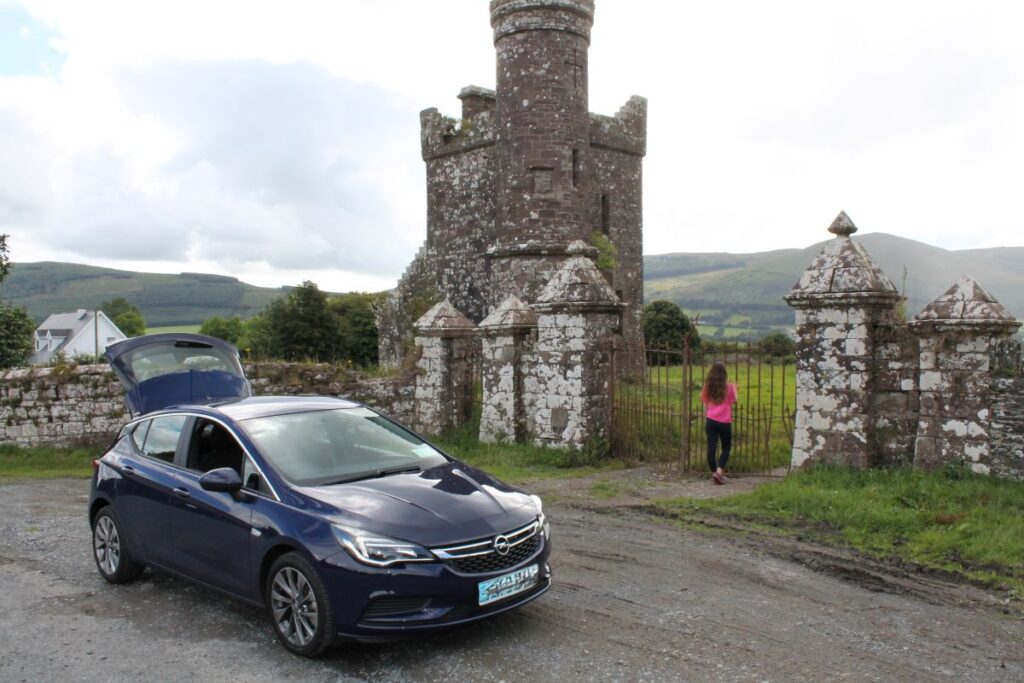
When it comes to driving in Ireland, choose a vehicle that suits your travel needs. If you’re planning to explore rural areas or rugged landscapes, consider renting a compact or four-wheel-drive vehicle, which will handle narrow, winding roads more efficiently. Be sure to book your rental car well in advance, especially during peak tourist seasons, to secure the best rates and availability.
The cost of renting a car in Ireland can be expensive. However, there are some ways you can save money. We tend to always book our rental car through Discover Cars. This is a search engine for rental cars and allows you to filter by price if you’re on a budget or by vehicle type if there’s a specific car you’re after.
- Generally speaking, you can expect to pay around €300 per week for a manual (stick shift) economy car; this will rise to around €350 during the peak months of June, July and August.
- Try to rent your vehicle from major cities such as Dublin, Cork, Galway, Belfast, and Limerick. That’s because car hire companies in smaller cities tend to have fewer and more expensive options.
- Book as small a car as you can manage!
- We highly recommend selecting fully comprehensive car insurance. The roads and car parking spaces in Ireland are narrow, so it will quell your fears of getting a bump or scratch. Check if your credit card insurance covers this (some do!)
Renting a Campervan in Ireland
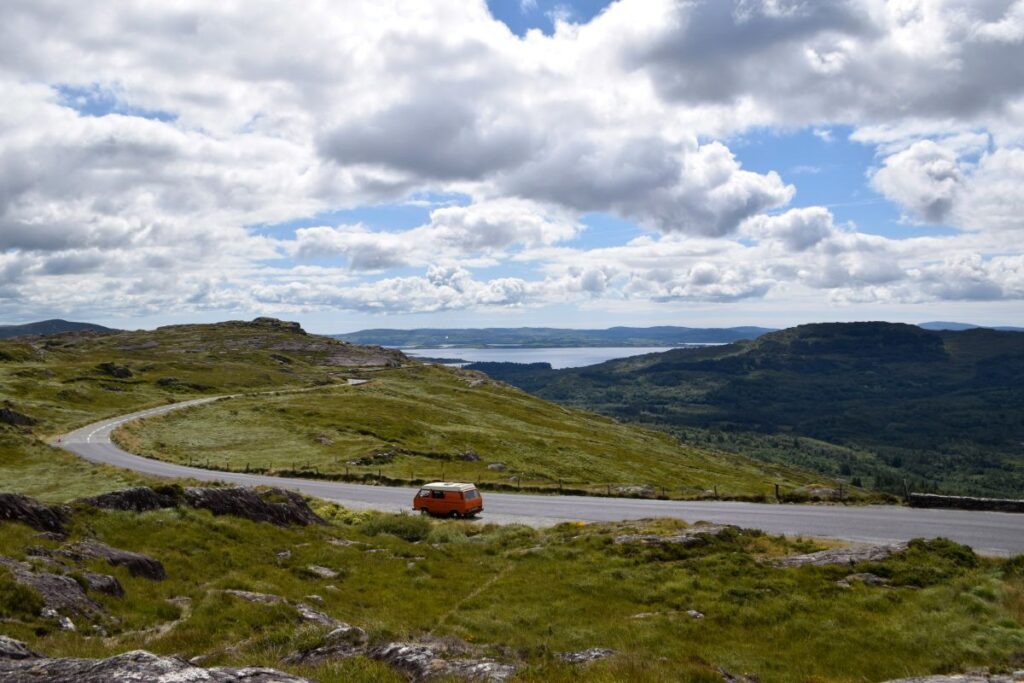
Exploring Ireland by campervan is an adventure that offers an intimate glimpse into the island’s breathtaking landscapes, rich history, and vibrant culture. Renting a campervan allows you the freedom to explore at your own pace, uncovering hidden gems far from the usual tourist trails.
Renting a campervan in Ireland is relatively straightforward, with numerous rental companies offering a range of motorhomes tailored to different needs and budgets. So, no matter if you’re a solo traveler, a couple, or a family, there’s a perfect campervan for you.
Options range from compact vans ideal for navigating narrow country roads to larger motorhomes with ample space. It’s crucial to consider factors like vehicle size, driving experience, and the level of comfort you desire before making your booking.
You will likely need to pick up your campervan in major cities like Dublin, Cork, or Belfast, or at the larger airports like Dublin Airport and Belfast Airport.
I will also add that campervan rentals tend to sell out quickly during the busy summer season (from June through to September).
🚙 Where to rent a campervan in Ireland
- West Coast Campervans – pick-up locations at Dublin Airport and Newry, Northern Ireland
- Motorhome Republic – a comparison and booking site for campervans
- Craic n Campers – pick-up locations in Roscommon and Greystones, Wicklow
- Bunk Campers – pick-up locations in Dublin and Belfast
- Indie Campers – pick up from Dublin
- Retro Camper Hire – pick-up from Dublin
- West Cork Campers – pick up in West Cork
- South Coast Motorhome Hire – pick-up from Bandon, Cork
Some or most companies can meet you at a different location for an extra fee, but make sure to ask them about this in advance.
Slainte!
Well, if you’ve made the decision to visit Ireland in Spring – I say, great call! Ireland in Spring is one of my favorite times to come to Ireland; it’s less crowded, the weather is decent (especially in May), and it’s when some of Ireland’s best festivals are held – like St. Patrick’s Day.
You may also enjoy reading:
Things Not to Do in Ireland (My Advice to You as a Local)
Ireland’s Hidden Gems: 10 Off-the-Beaten-Path Destinations in Ireland
The Most Magical Landscapes in Ireland: Ireland’s 7 National Parks
Visiting Ireland in the Winter: The Best Places to Visit in Ireland in Winter