Where to Stop on the Drive from Cork to Dublin
As the two biggest cities in Ireland (well, in the Republic) the drive between Cork and Dublin is a well-trodden route. It will take you 2 hours and 50 minutes (258 km) without stopping, but, actually, there is quite a lot to see along the drive (you’ll pass by the iconic Rock of Cashel and Cahir Castle), so we recommend allowing a full day for this road trip.
The route follows the M8 and M7 motorways, and there are two tolls along the way, for which the fee is €2.30 for a standard car each time. And I will add that the road itself isn’t scenic at all (it’s a busy motorway), but it’s when you come off the motorway that you will find the magic, particularly at places like The Rock of Cashel and the Swiss Cottage in Cahir.
I’ll also say that rush hour traffic on this route can be really bad, so it’s best to avoid driving between 7:30 and 9 am and again from 4:30 to 6:30 pm.
And of course, you can also do this drive in reverse, so from Dublin to Cork.
Cork City
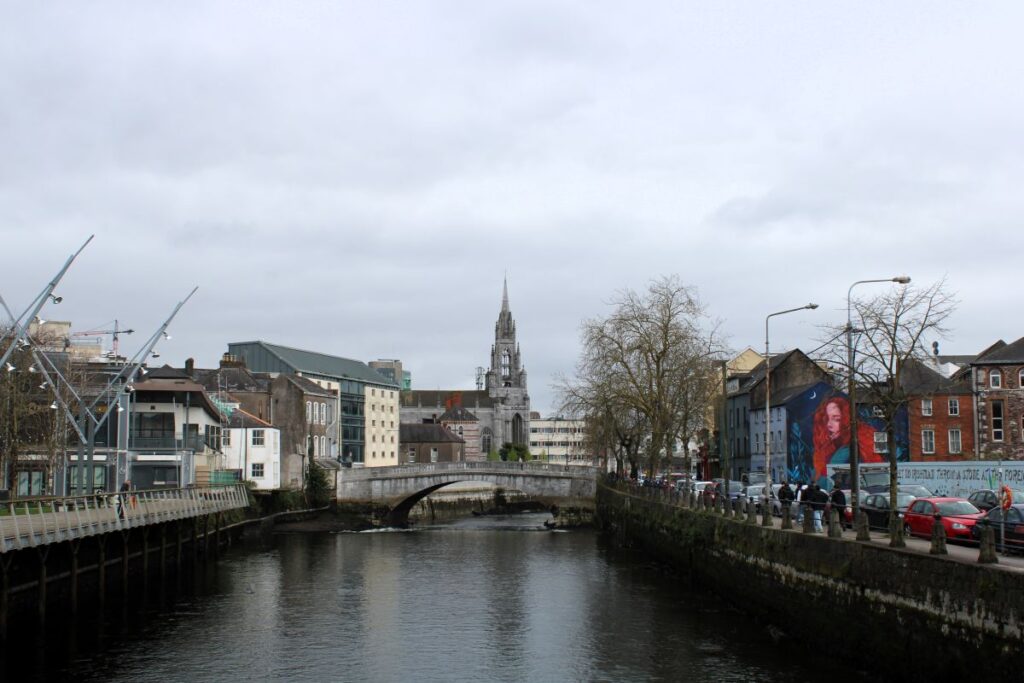
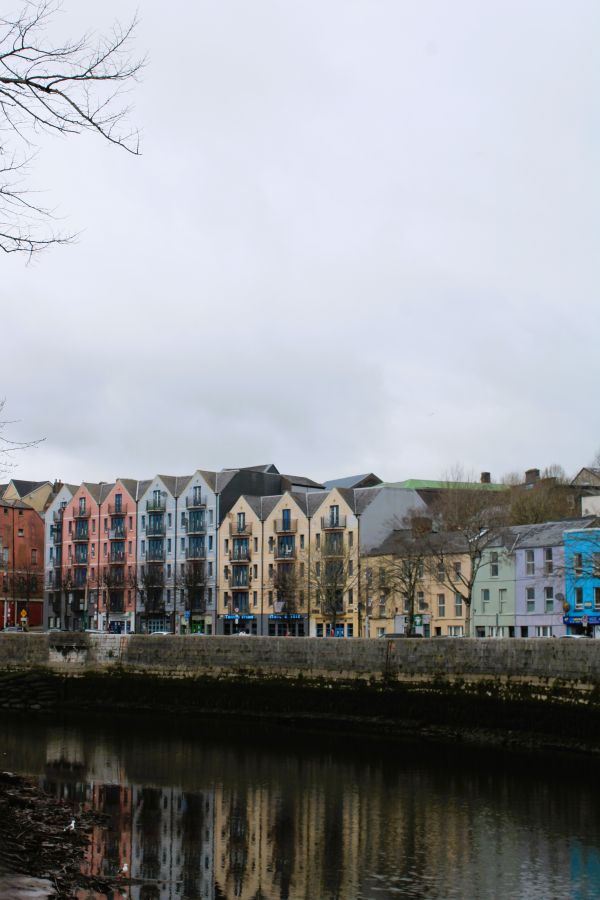
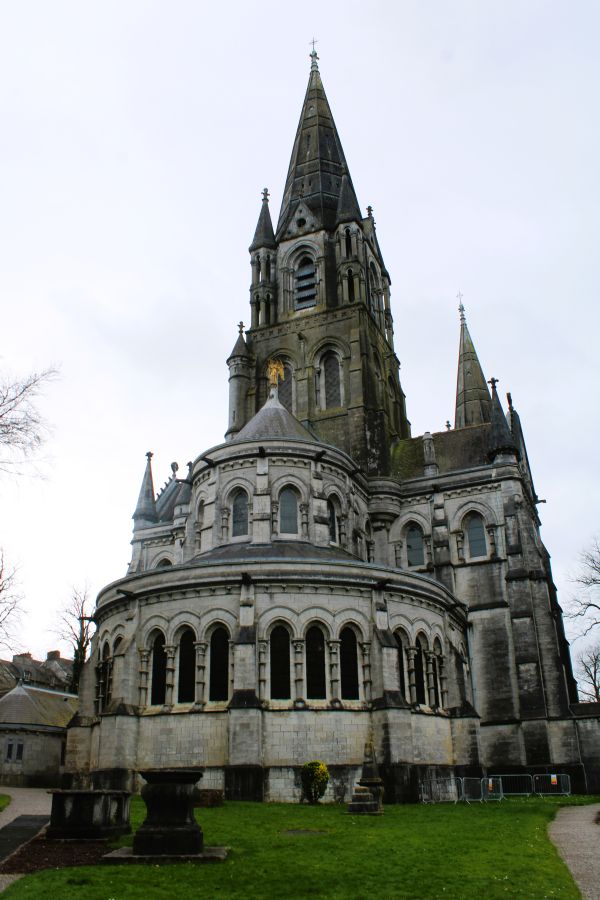
As the second largest city in Ireland, Cork City features on many tourists’ Irish itinerary. And even though I love the city (I’m from here), Cork gets a bit of a bad rap among some visitors as it’s not as visually appealing as, say, Dublin or Galway. And that’s exactly why I always recommend Cork City to tourists – because it’s authentic, and a little gritty. It really gives you a true taste of an Irish city.
On any day here, you’ll get a behind-the-scenes look at city life because Cork knows who it is and doesn’t pretend to be something else, if that makes sense!
If you can, spend a few days in Cork City. Try to tick off the city’s top sights like the world-famous English Market and the Shandon Bells (a local favorite spot). And squeeze in a visit to St Fin Barre’s Cathedral, University College Cork, and Blackrock Castle. All of these are located within the city limits, so you can walk between them.
Where to stay in Cork City:
- The River Lee Hotel – offering riverside rooms and stylish interiors. This is an excellent choice within walking distance of the city center.
- The Montenotte Hotel is another great choice. This super-cool and quirky hotel has been recently renovated. It has lovely gardens and a cinema!
Mitchelstown Caves
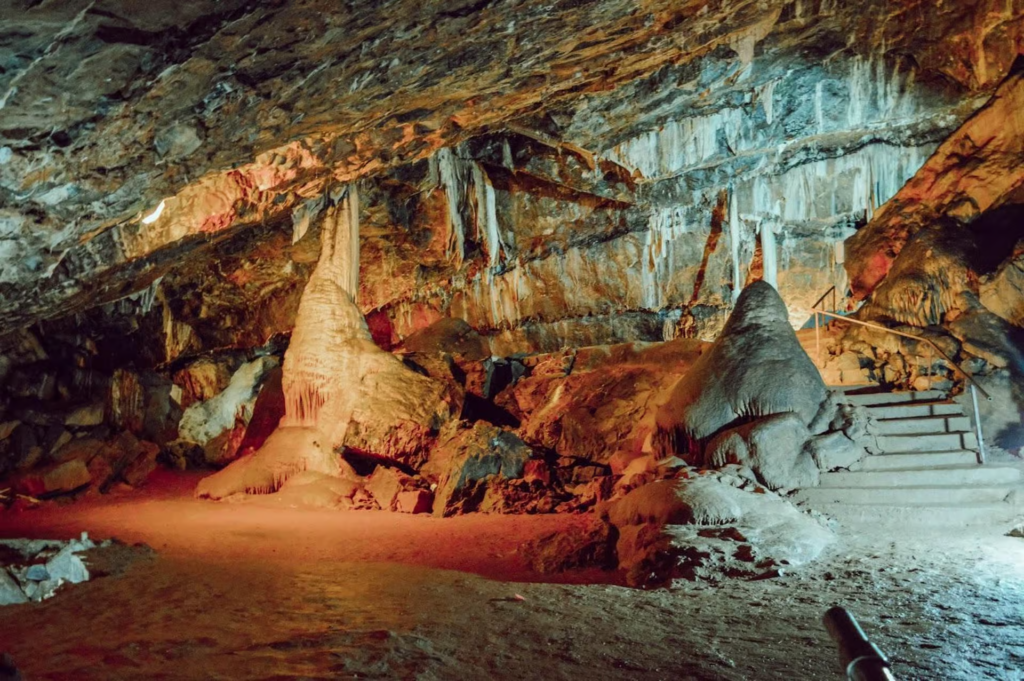
The Mitchelstown Caves are a breathtaking marvel near the border of Cork and Tipperary. Its distinctive formations and vibrant colors are so worth checking out.
Guided tours lead you through three vast caverns adorned with mesmerizing dripstone formations, stalactites, and stalagmites. Elegant calcite curtains drape the sloping ceilings, while calcite crystals sparkle in the distance. Among these wonders stands the towering Tower of Babel, one of Europe’s most remarkable calcite columns.
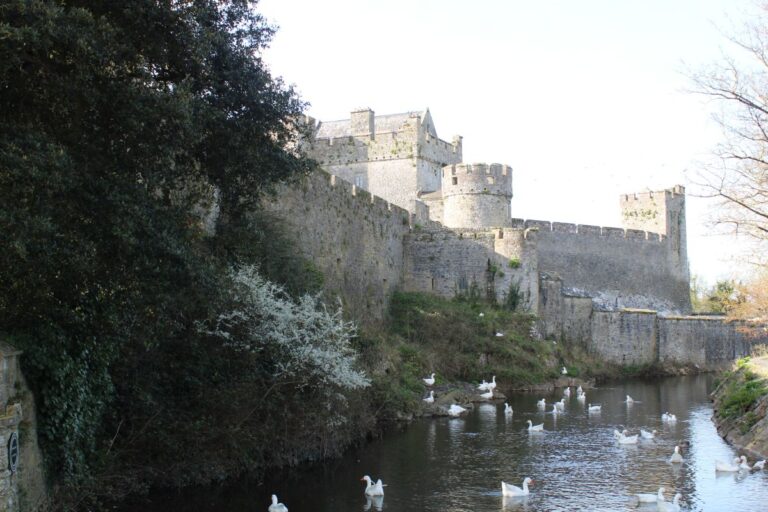
Cahir Castle
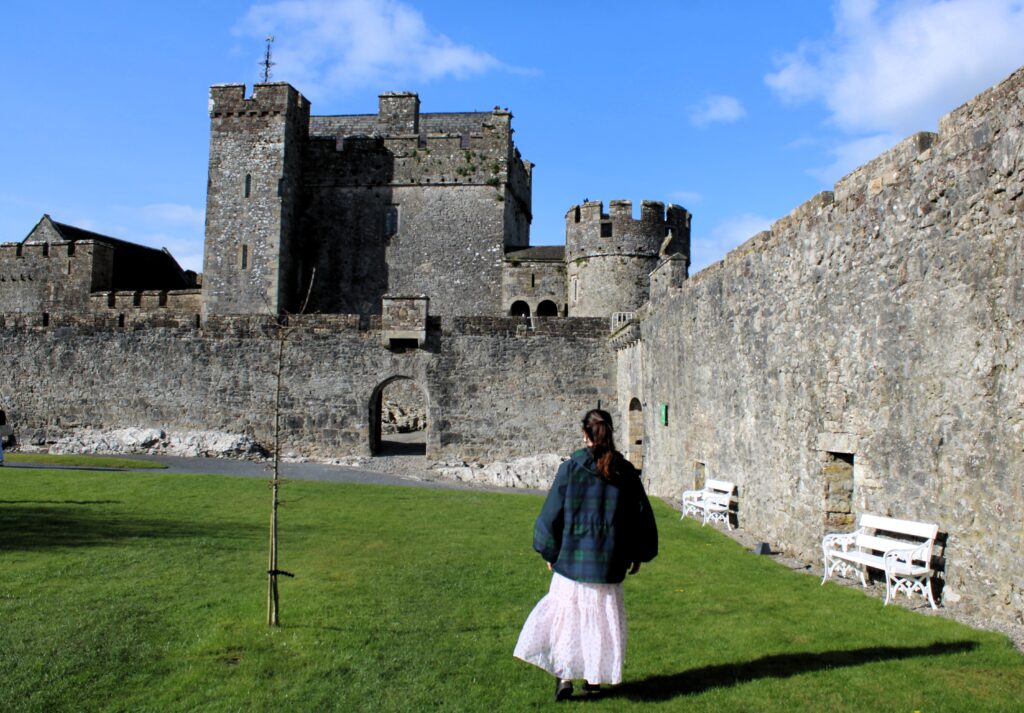
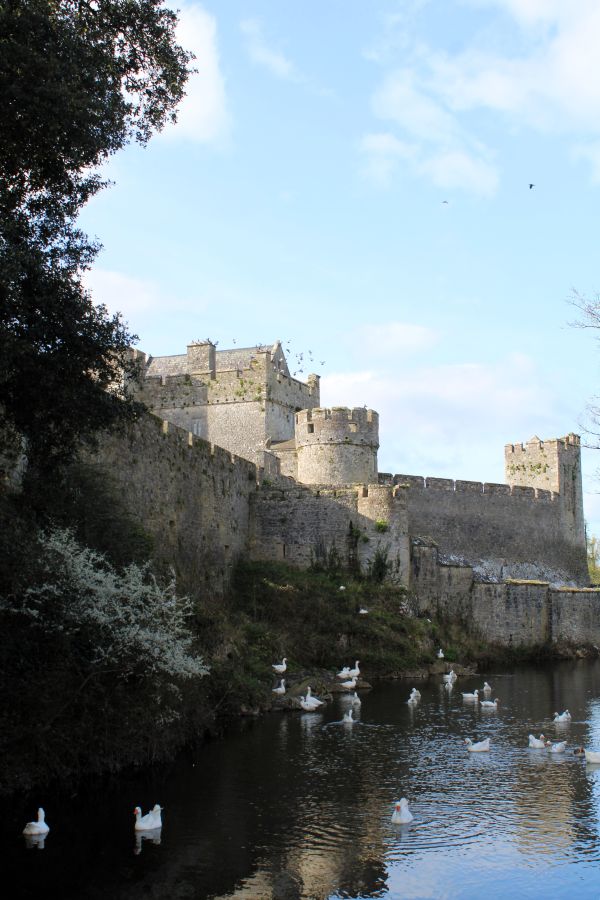
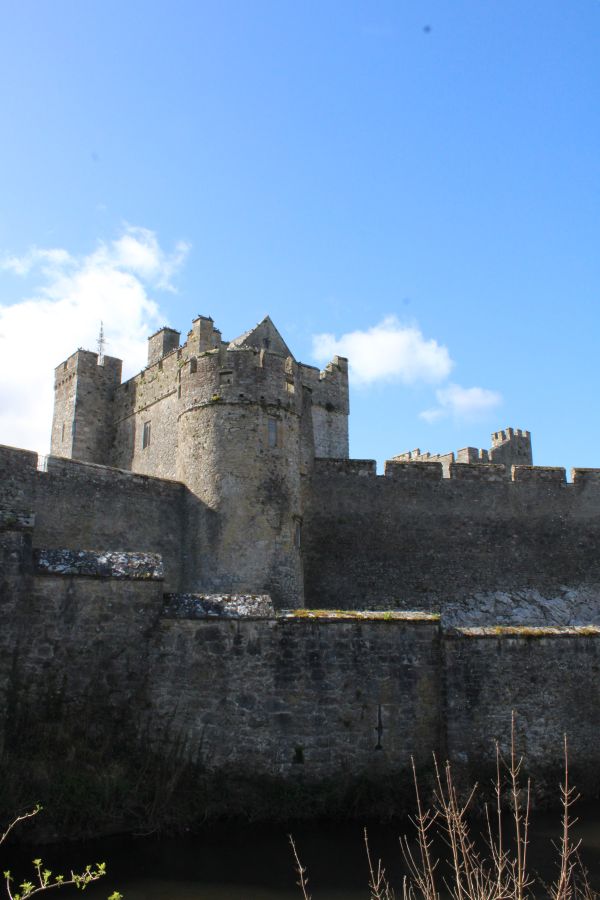
Constructed in the 13th century by the O’Brien family, it is one of Ireland’s largest and best-preserved castles. The strategic location on a rocky island in the River Suir made it an important defensive stronghold.
Over the centuries, Cahir Castle has witnessed various sieges and battles, including its capture by Oliver Cromwell’s forces in 1650. Today, the castle’s impressive keep, high walls, and beautifully restored interiors are amazing to see in-person.
Cahir Castle has also been the filming location for many movies and TV series over the years, like Excalibur (1981) and The Green Knight (2021), The Last Duel (2021), and The Tudors.
An adult ticket to the castle costs 5 euros, and kids under 12 go free.
Swiss Cottage, Cahir
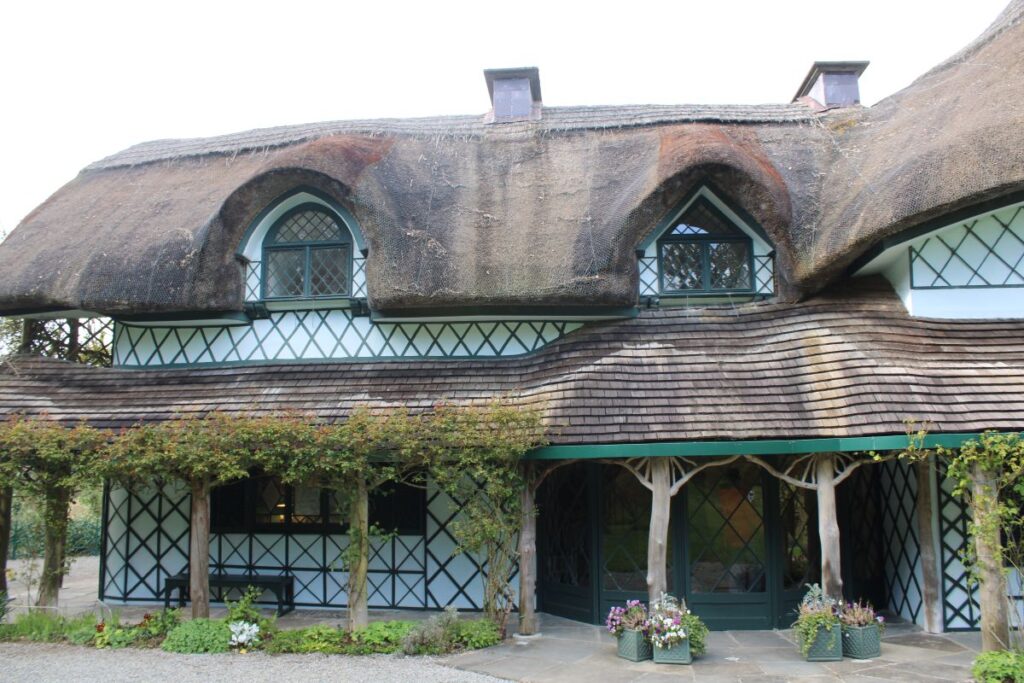
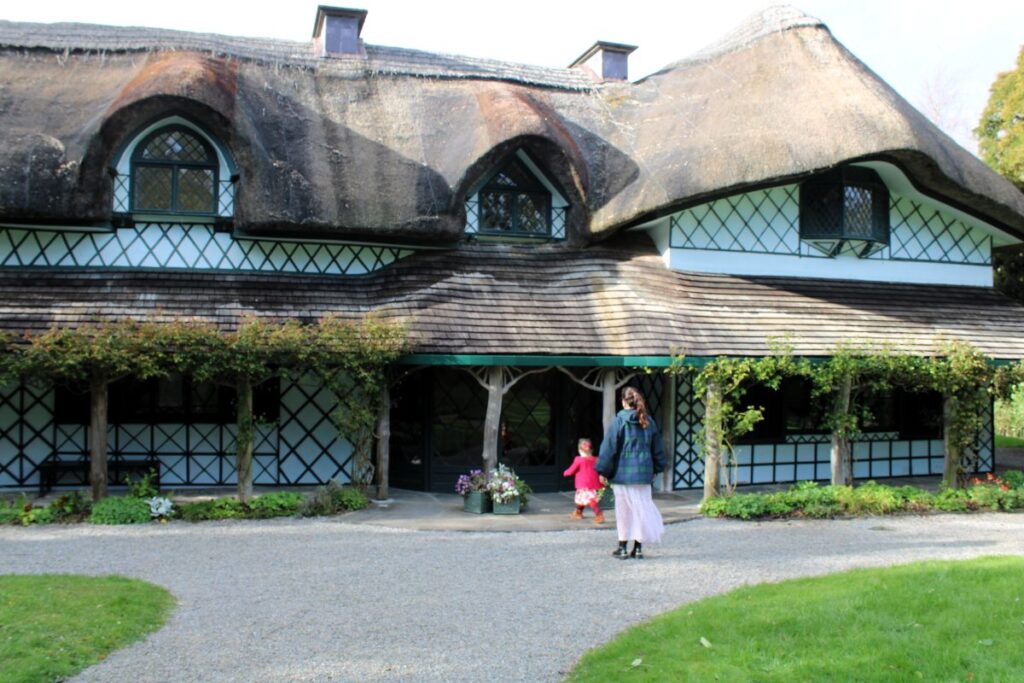
The Swiss Cottage nearby is also worth checking out while you’re in Cahir. It’s a charming example of a cottage orné – a whimsical embodiment of an idealized countryside retreat. It served as a picturesque venue for picnics, intimate gatherings, and fishing and hunting parties, while also providing a serene escape for residents of the nearby grand house.
Constructed in the early 1800s by Richard Butler, the 1st Earl of Glengall, it is believed that he successfully enlisted the renowned Regency architect John Nash to design it. Initially referred to simply as “The Cottage,” it later earned the name “Swiss Cottage” due to its resemblance to an Alpine chalet.
An adult ticket to view the outside of the house costs 5 euros (which is what we did).
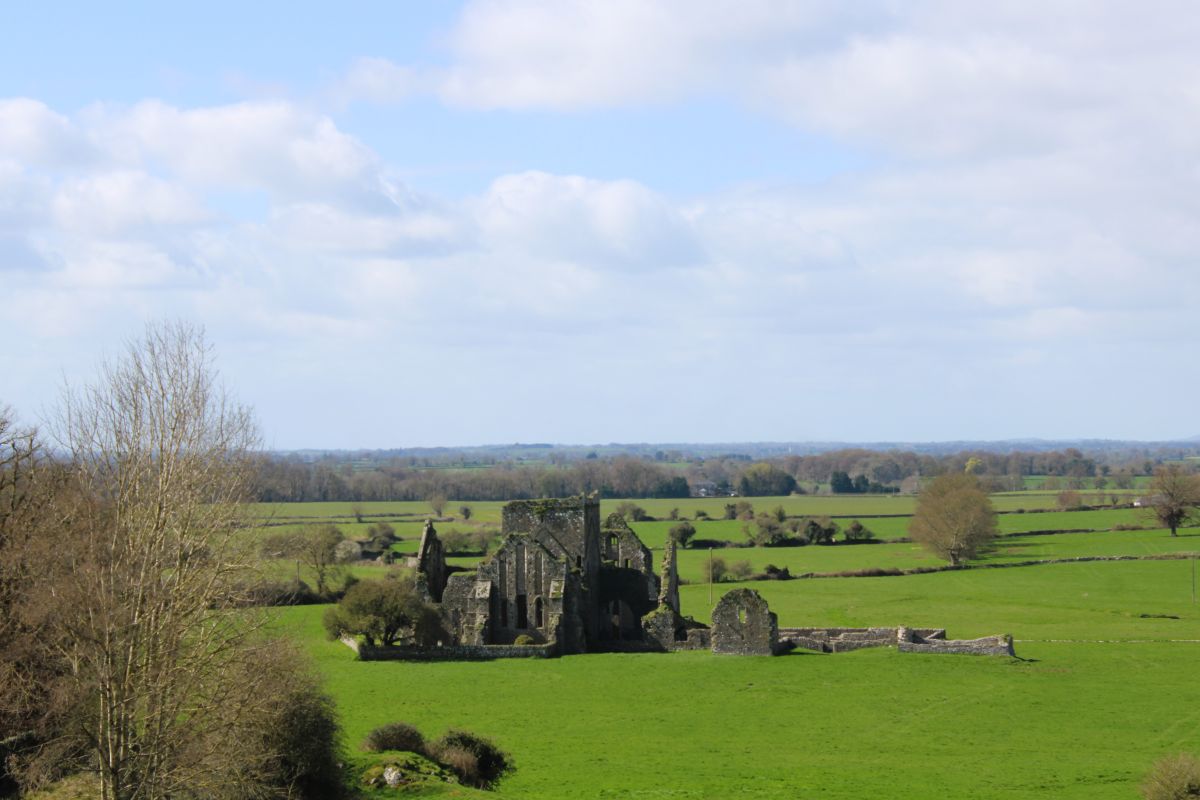
The Rock of Cashel
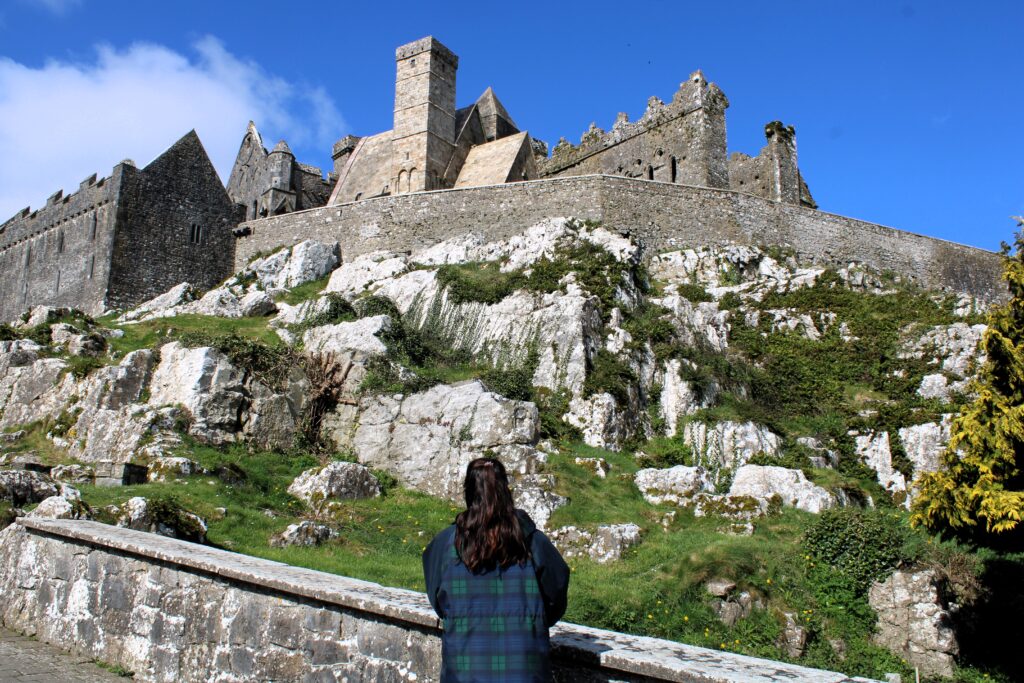
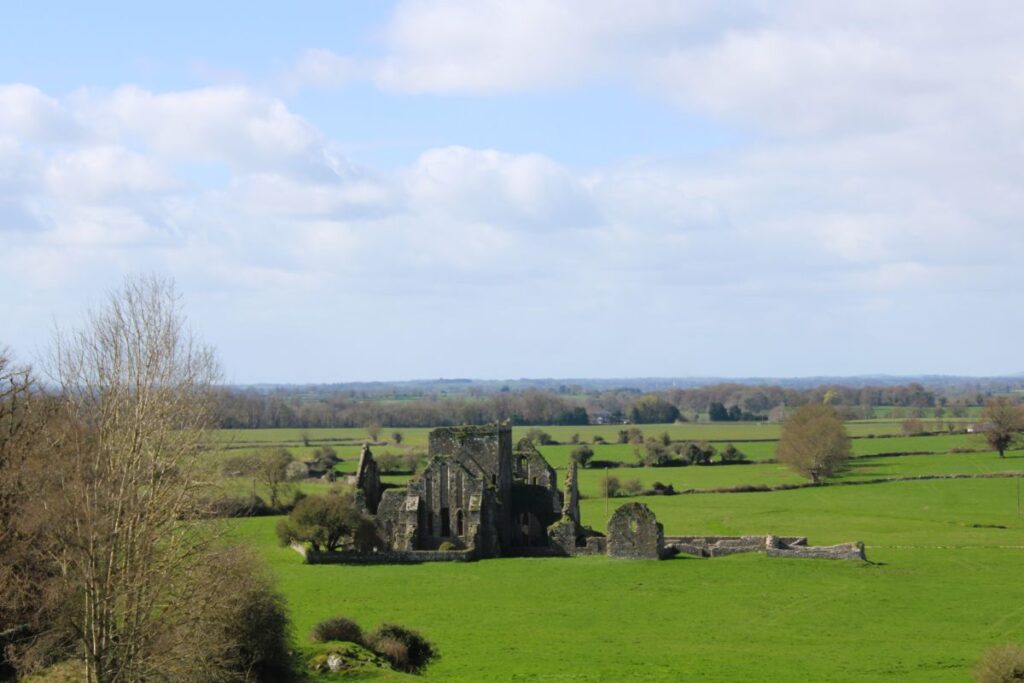
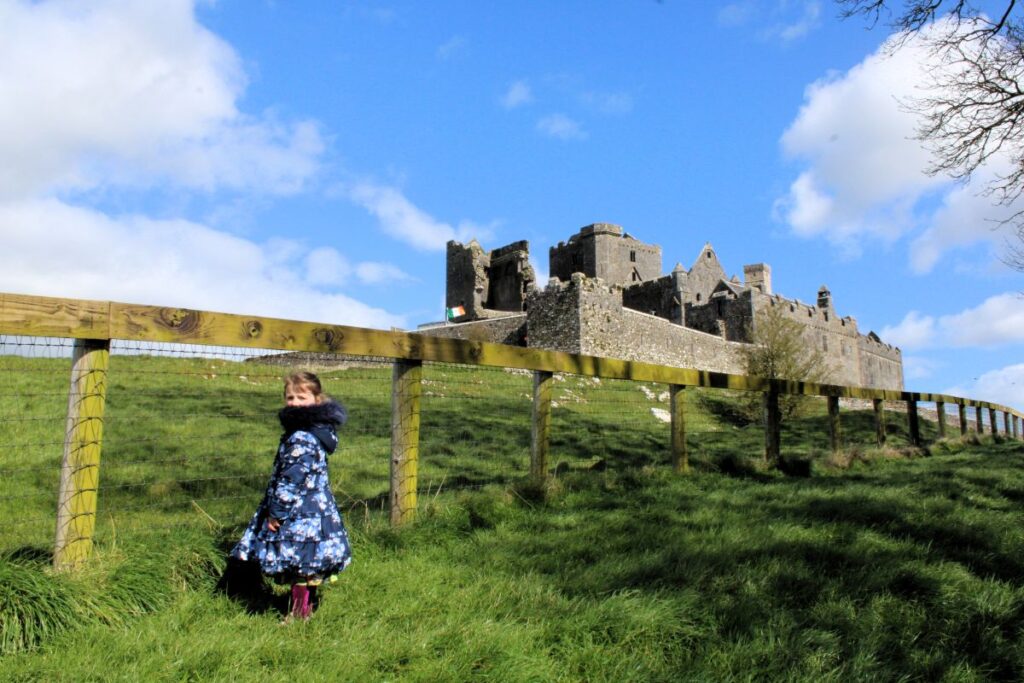
It’s highly likely that the reason you’re visiting Cashel is to see the iconic Rock of Cashel (which is a little Hogwarts-esque, if I do say so).
Yep, the Rock of Cashel, also known as St. Patrick’s Rock, is one of the most famous historic sites in County Tipperary, Ireland. This striking limestone hill is crowned by an impressive collection of medieval buildings that include a round tower, a high cross, a Romanesque chapel, a Gothic cathedral, and a restored Hall of the Vicars Choral.
Steeped in legend and history, the Rock of Cashel is said to be the site where Saint Patrick converted the King of Munster to Christianity in the 5th century. It served as the traditional seat of the Kings of Munster before being gifted to the Church in 1101.
In Cashel town, you could spend an hour or so walking the main street and checking out the stores and Cafes as you go. We had lunch at the Cellar Bar (underneath the Baileys hotel), and we really enjoyed it. We also grabbed a takeaway coffee from SOS Beag for the onward drive to Cahir.
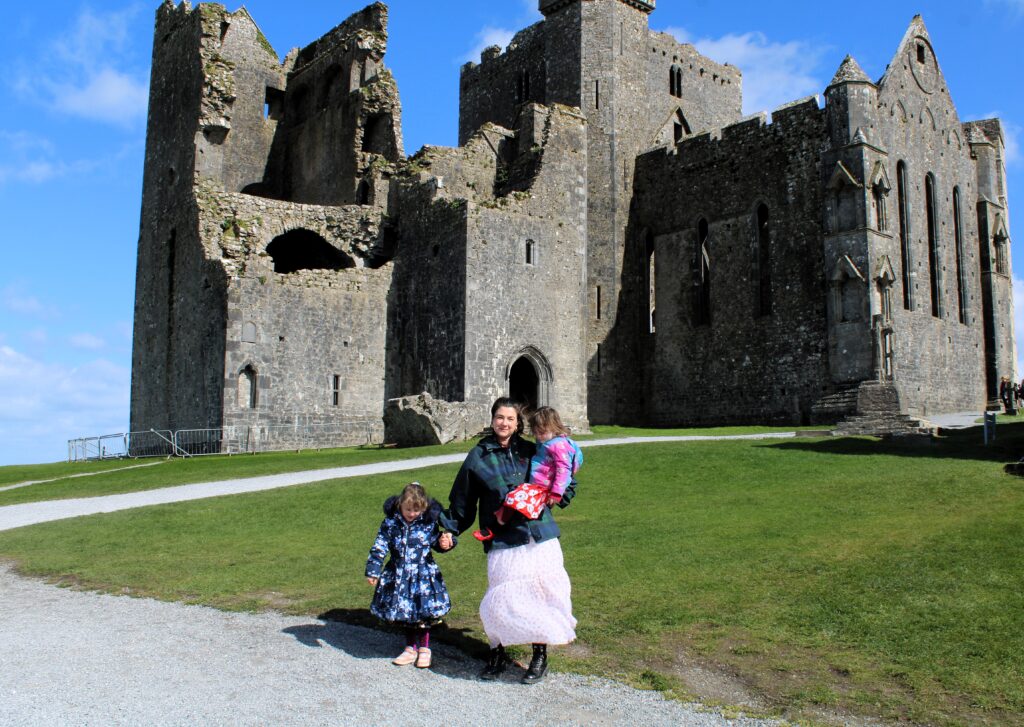
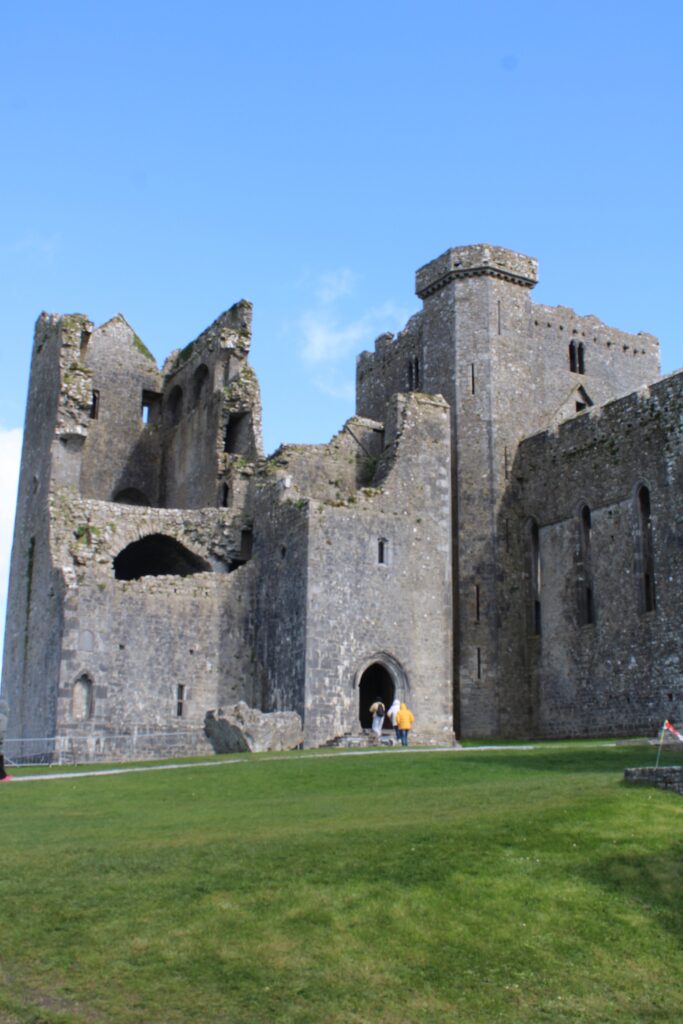
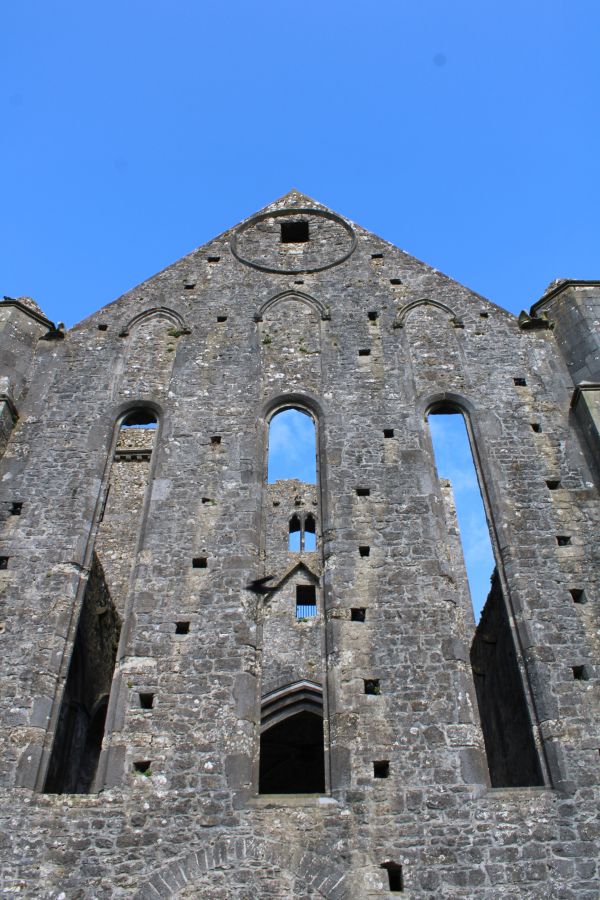
It costs 8 euros per adult to enter the Rock of Cashel; kids under 12 are free, and there are discounted rates available for students, seniors, and older children.
✅ Tours of the Rock of Cashel:
Where to stay in Cashel: For a luxurious stay, consider the Cashel Palace Hotel, a beautifully restored Georgian mansion offering elegant rooms and fine dining. If you prefer a cozy bed and breakfast, Baileys Hotel Cashel provides a warm atmosphere with comfortable rooms in the heart of the town.
Abbeyleix
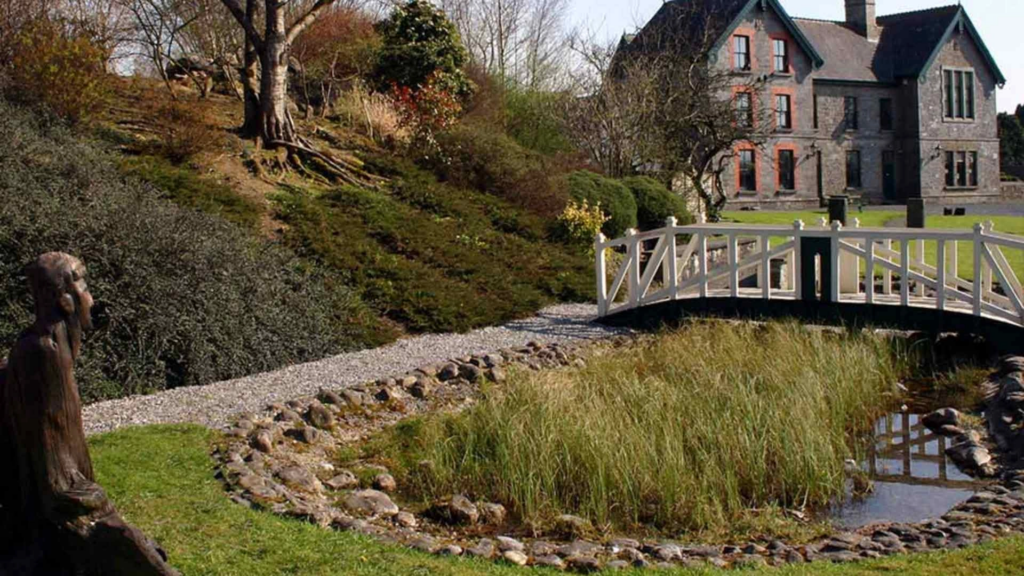
Renowned for its well-preserved Georgian architecture, Abbeyleix is a very photogenic town lined with elegant buildings and vibrant shopfronts. The Abbeyleix Heritage House provides a fascinating glimpse into the town’s past. Did you know that it originated as a monastic settlement?
And nature lovers may want to check out the Abbeyleix Bog nearby, a serene natural reserve perfect for walking and birdwatching.
Portlaoise
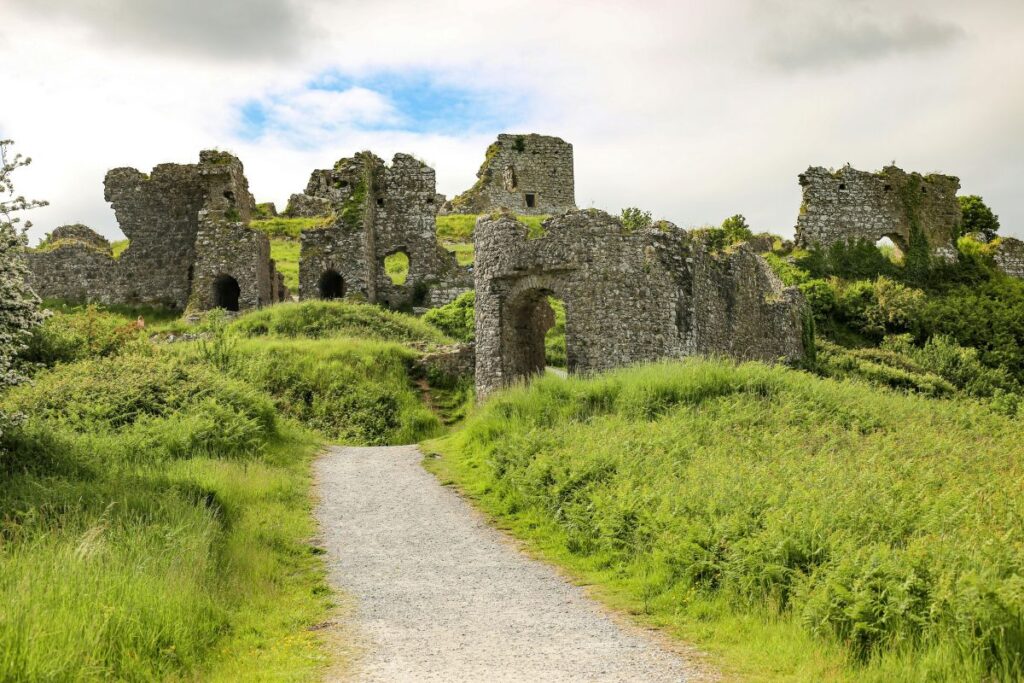
Portlaoise, your next stop, has a rich history, and it’s home to landmarks such as the Rock of Dunamase, an ancient hilltop fortress offering breathtaking views of the surrounding countryside. There are also lots of scenic walking and cycling trails in the nearby Slieve Bloom Mountains, which you could check out if you have the time.
Newbridge
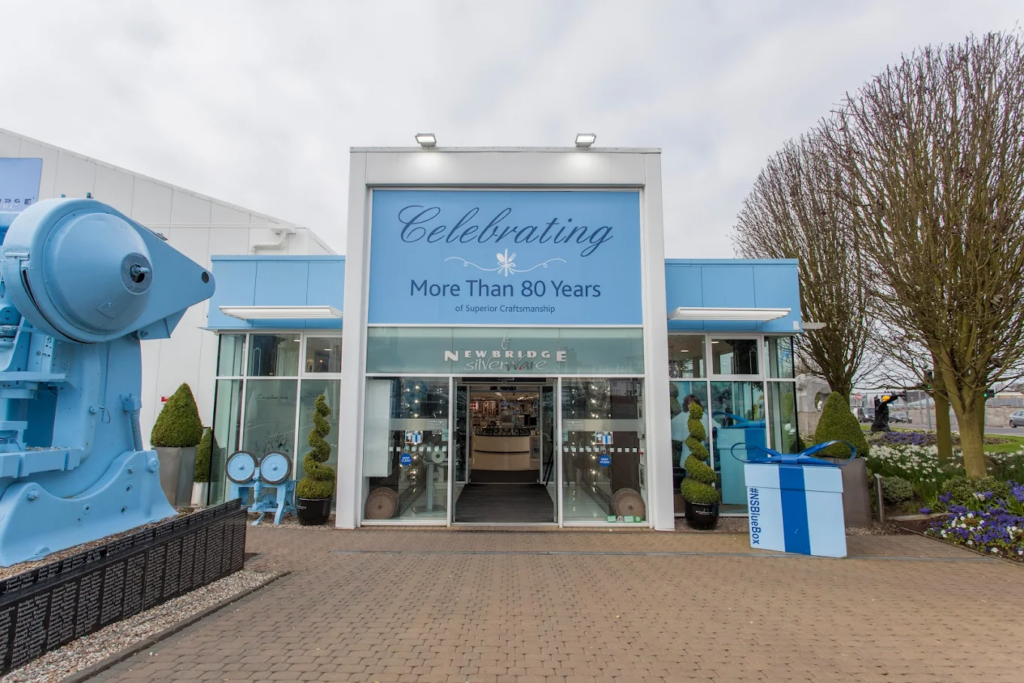
Your next stop is home to the famed Newbridge Silverware Visitor Centre – one of the top attractions in this part of the country. Here, you can explore the fascinating history of this renowned brand and learn more about the art of silverware making.
The centre is also home to the Museum of Style Icons, which showcases a remarkable collection of fashion and film memorabilia, including garments worn by legends like Audrey Hepburn and Princess Diana. You can also do a factory tour to see the skilled artisans at work.
Dublin
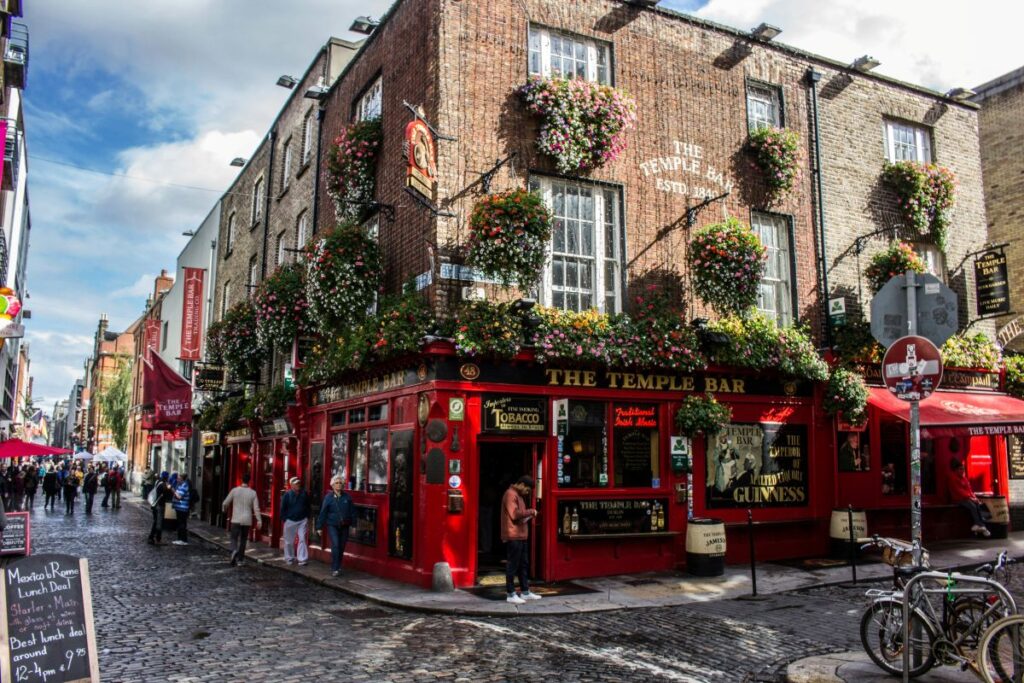
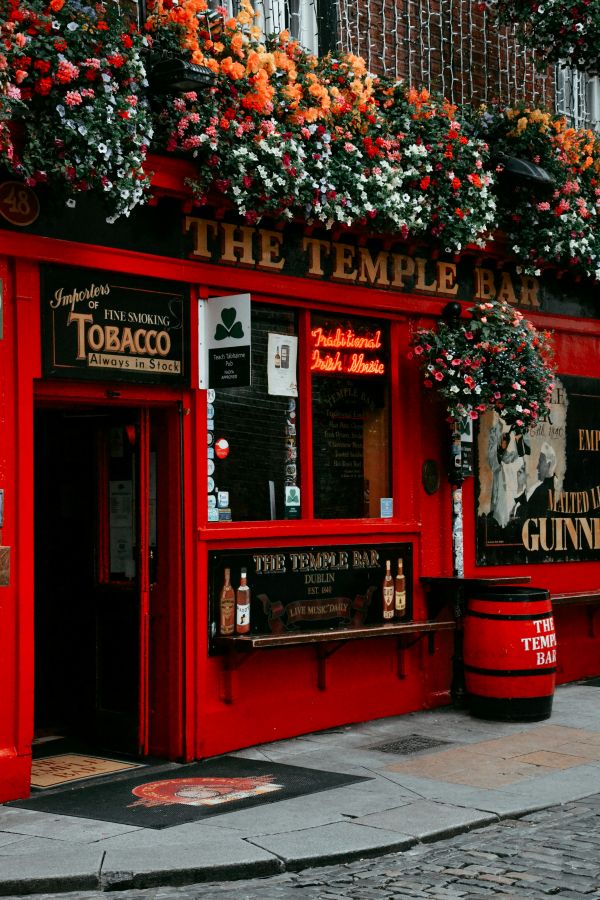
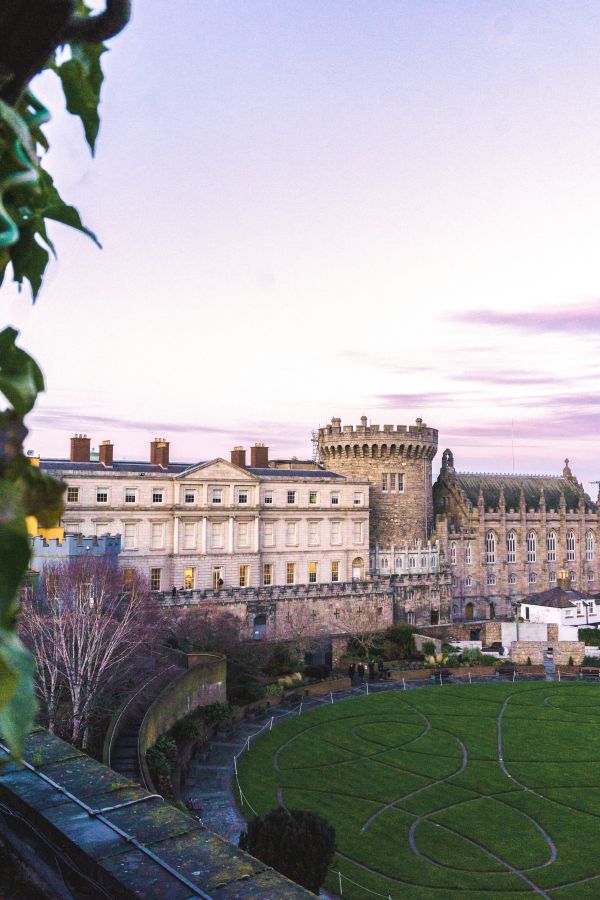
Yay! You’ve reached your final stop (well, of this particular road trip, anyway!) And be sure to spend a few days (or at least a day) in Dublin. As Ireland’s capital and largest city, Dublin boasts a variety of attractions that cater to all interests.
History enthusiasts can explore the medieval Dublin Castle or the iconic Trinity College, home to the world-famous Book of Kells. And if you’re interested in literature, a visit to the Dublin Writers Museum is a must-do. Don’t miss the Guinness Storehouse for a taste of Ireland’s most famous export, or take a scenic walk along the River Liffey.
It’s known as a very fun city, and Dublin’s lively atmosphere is palpable in Temple Bar, where you can dance (or tap your foot) to traditional Irish music, drink local beers, and taste some delicious food.
✅ My favorite guided tours of Dublin:
Where to stay in Dublin:
- If your budget allows, a standout hotel in Dublin is The Westbury, a luxurious five-star hotel, just a stone’s throw from Grafton Street. It’s renowned for its opulent decor and exceptional service.
- The Dean Dublin is another cool option, it combines modern design with a lively atmosphere and boasts a trendy rooftop bar and stylish rooms.
Renting a Car in Ireland
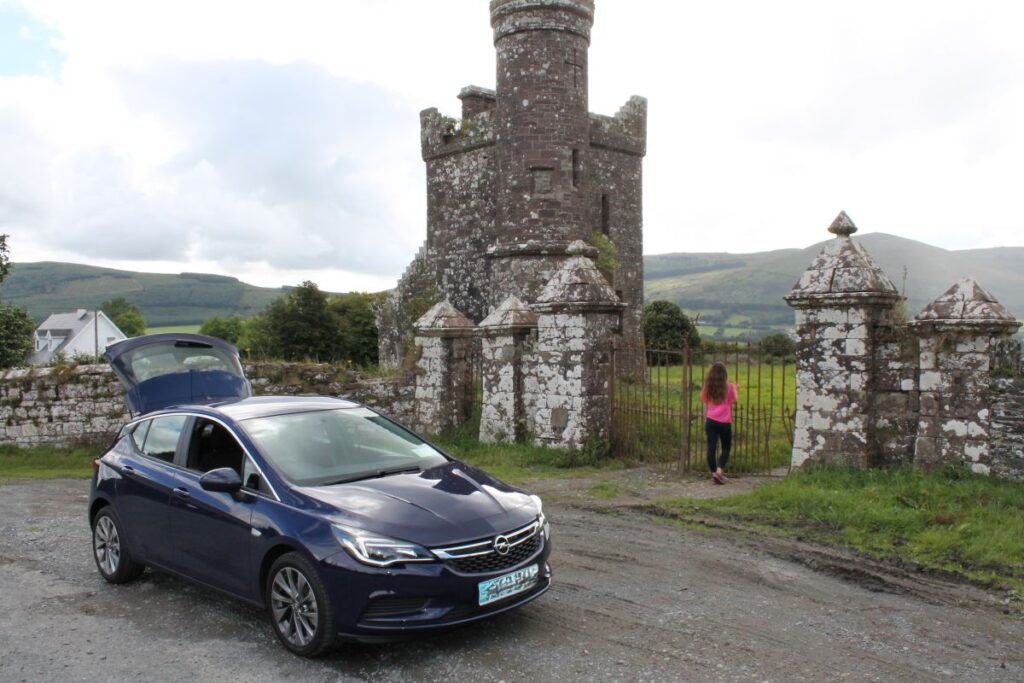
When it comes to driving in Ireland, choose a vehicle that suits your travel needs. If you’re planning to explore rural areas or rugged landscapes, consider renting a compact or four-wheel-drive vehicle, which will handle narrow, winding roads more efficiently. Be sure to book your rental car well in advance, especially during peak tourist seasons, to secure the best rates and availability.
The cost of renting a car in Ireland can be expensive. However, there are some ways you can save money. We tend to always book our rental car through Discover Cars. This is a search engine for rental cars and allows you to filter by price if you’re on a budget or by vehicle type if there’s a specific car you’re after.
- Generally speaking, you can expect to pay around €300 per week for a manual (stick shift) economy car; this will rise to around €350 during the peak months of June, July and August.
- Try to rent your vehicle from major cities such as Dublin, Cork, Galway, Belfast, and Limerick. That’s because car hire companies in smaller cities tend to have fewer and more expensive options.
- Book as small a car as you can manage!
- We highly recommend selecting fully comprehensive car insurance. The roads and car parking spaces in Ireland are narrow, so it will quell your fears of getting a bump or scratch. Check if your credit card insurance covers this (some do!)
Search for available cars to rent here:
Thanks for Reading!
Now, while you’re here, you may also like to read my guide to the Best Things to Do in Kinsale and Visiting Kilkenny Castle.