Best Places to Stop Between Cork and the Cliffs of Moher
The drive from Cork City to the Cliffs of Moher will take around 2.5 hours (176 km) without stops. But, actually, I’d say that you should allow a full day to complete this drive as there’s lots to see. As you’ll read below, I highly recommend stopping off in Limerick City, Bunratty Castle, Adare, Ennis & Lahinch before reaching the wow-worthy Cliffs of Moher.
And because the cliffs can often be covered by a thick mist or cloud (especially in the winter), I recommend staying nearby so that you can visit the cliffs again the next day if luck isn’t on your side the first try!
Overall, I’d say this is an easy drive – it follows a wide national road for most of the way, and then after Lahinch you’ll turn onto a smaller regional road. But, overall, there is nowhere too narrow, but you may have to queue up to park at the Cliffs of Moher – depending on the season/ time of day you visit.
Cork City
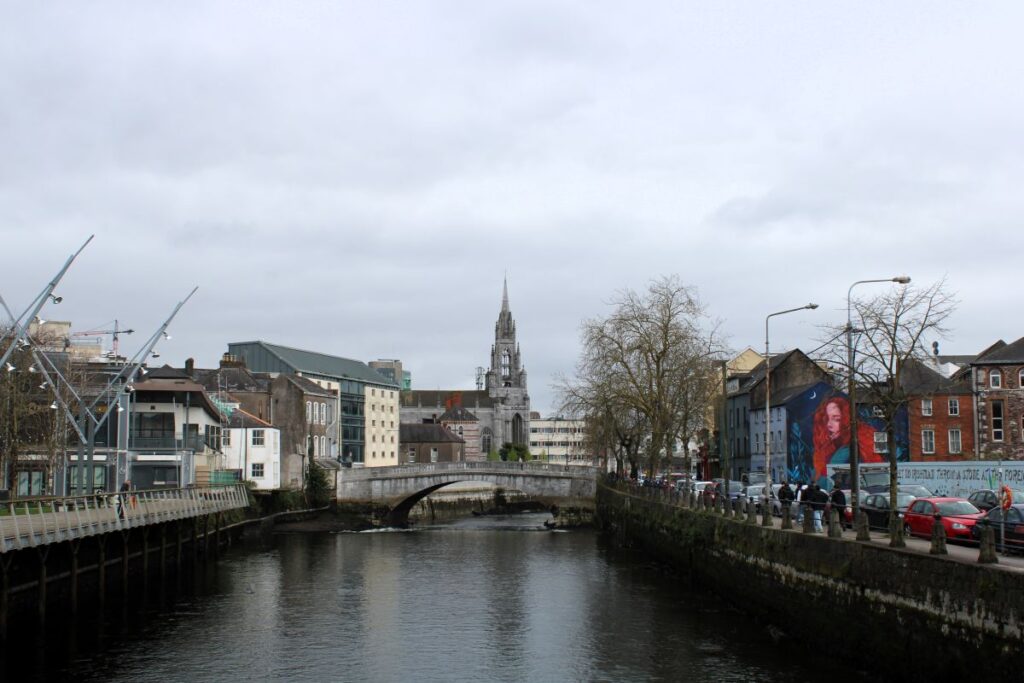
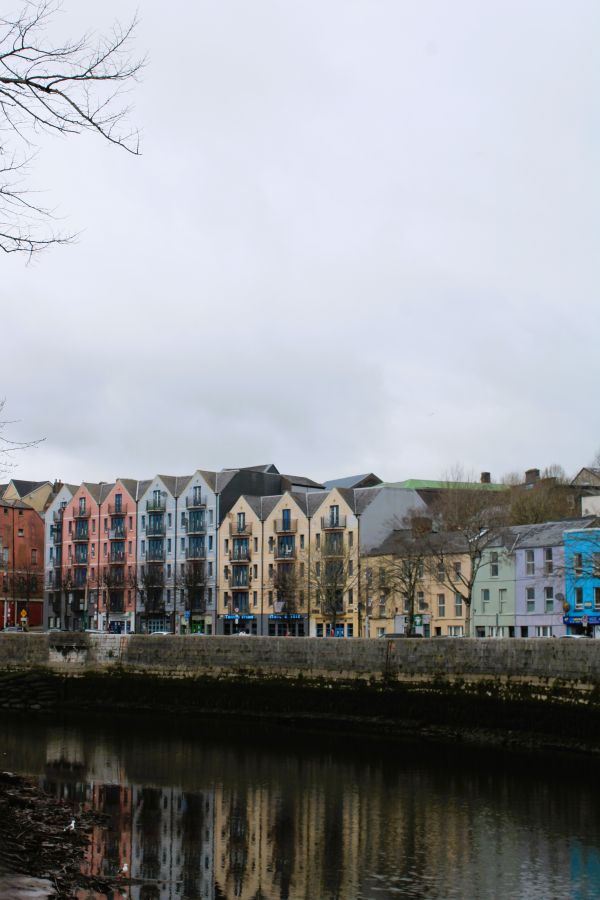
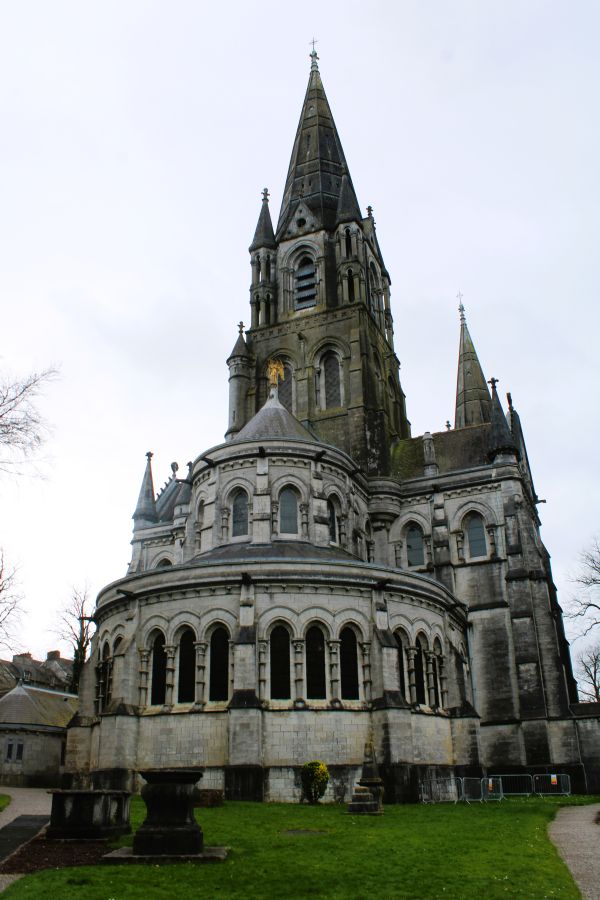
As the second largest city in Ireland, Cork City features on many tourists’ Irish itinerary. And even though I love the city (I’m from here), Cork gets a bit of a bad rap among some visitors as it’s not as visually appealing as, say, Dublin or Galway. And that’s exactly why I always recommend Cork City to tourists – because it’s authentic, and a little gritty. It really gives you a true taste of an Irish city.
If you can, spend a few days in Cork City. Try to tick off the city’s top sights like the world-famous English Market and the Shandon Bells (a local favorite spot). And squeeze in a visit to St Fin Barre’s Cathedral, University College Cork, and Blackrock Castle. All of these are located within the city limits, so you can walk between them.
🛏️ Where to stay in Cork City:
- The River Lee Hotel – offering riverside rooms and stylish interiors. This is an excellent choice within walking distance of the city center.
- The Montenotte Hotel is another great choice. This super-cool and quirky hotel has been recently renovated. It has lovely gardens and a cinema!
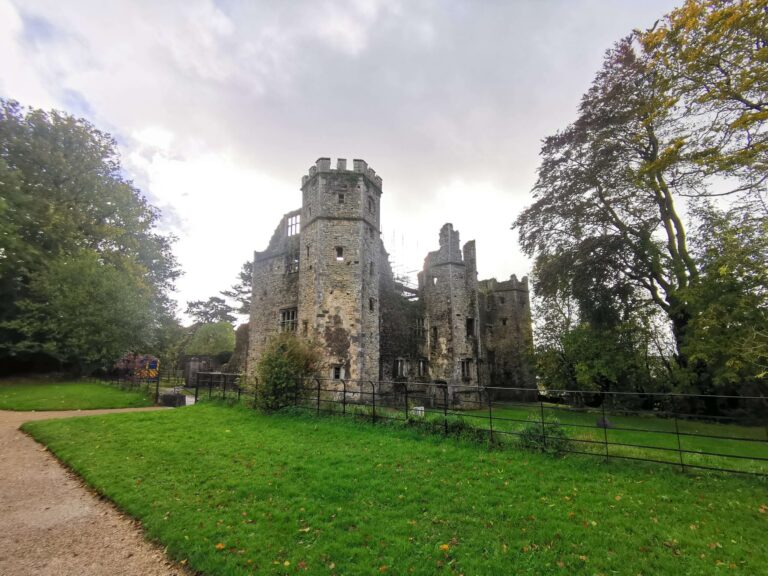
Mallow Castle
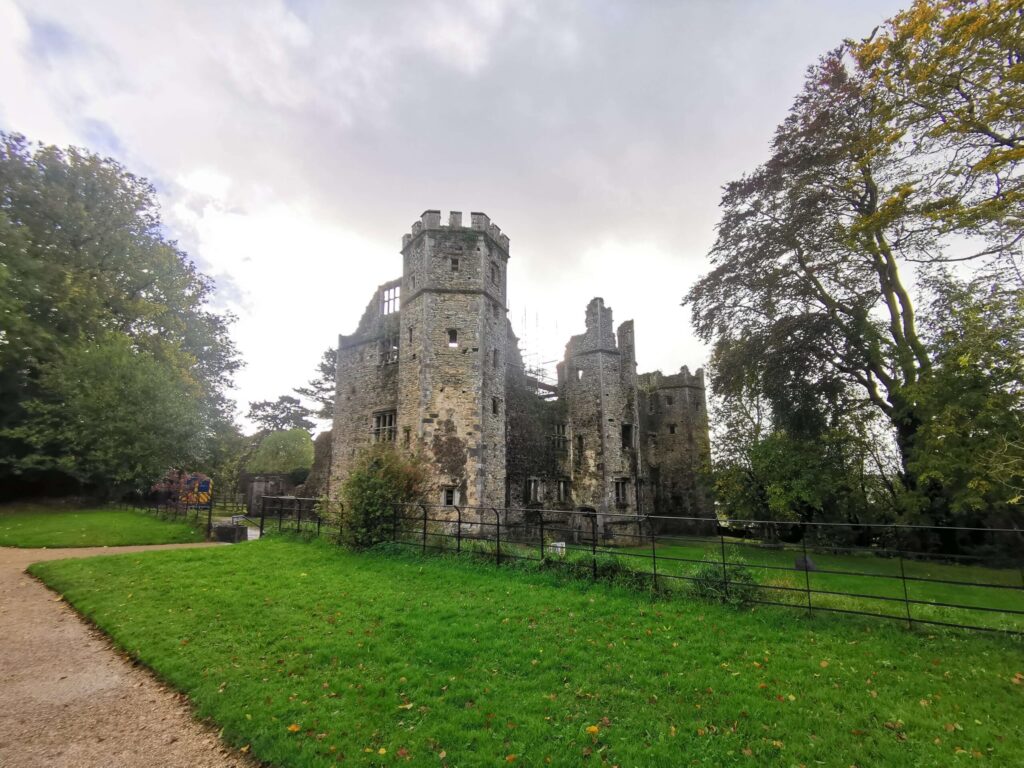
Built in the 13th century by the Norman settlers, it has a rich history that reflects the tumultuous past of the region. The original castle was constructed by the de Barry family and underwent several transformations over the centuries. Today, you can explore the picturesque ruins and its surrounding gardens. The castle is also home to a unique herd of white fallow deer, adding to its enchanting atmosphere.
Limerick City
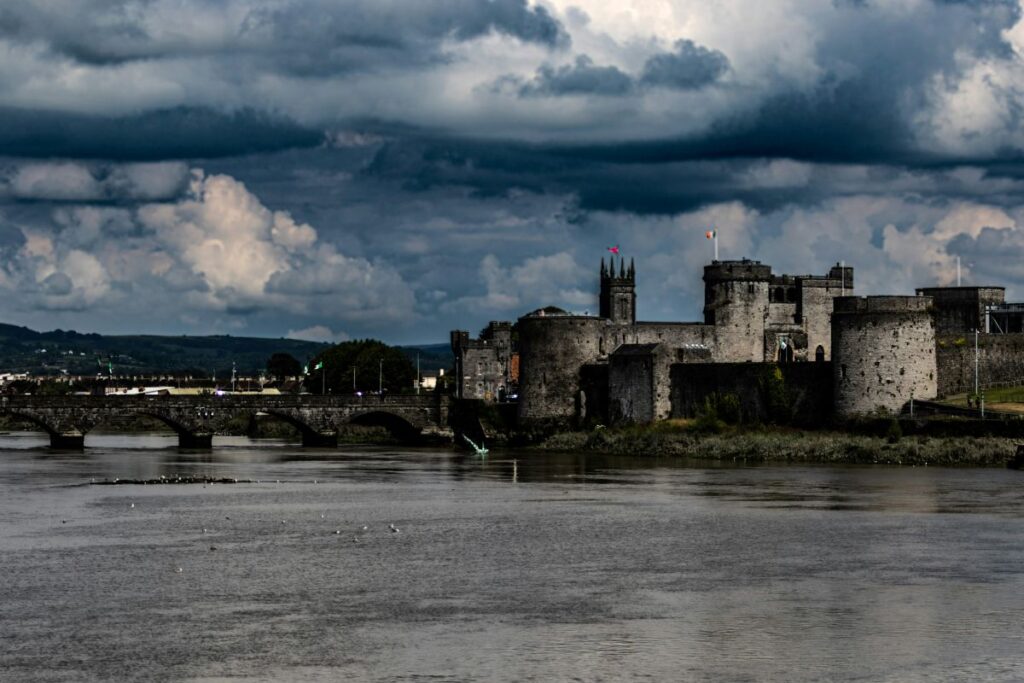
Limerick City, the Republic’s third biggest city, is the perfect place to spend the night if you’re keen to break up the journey. Limerick City is less visited, and it’s an underrated destination. But I have a bit of a soft spot for the place as I studied at the University of Limerick for four years.
Some of my favorite things to do in Limerick City include King John’s Castle and the beautiful St. Mary’s Cathedral. And strolling through the famous Milk Market – here you can find fresh local produce, artisan foods, and distinctive crafts.
The Limerick City Gallery of Art is also worth visiting; it’s the biggest contemporary art gallery in the Mid-Western Region. And the Hunt Museum is another famous museum here.
Overall, you’ll definitely be impressed by the city’s mix of medieval and contemporary architecture.
🛏️ Where to stay in Limerick City: The Savoy Hotel is easily one of the best hotels in the city, known for its luxurious amenities and prime location in the heart of the city. This five-star hotel offers elegant rooms with contemporary designs, exceptional dining e
Adare
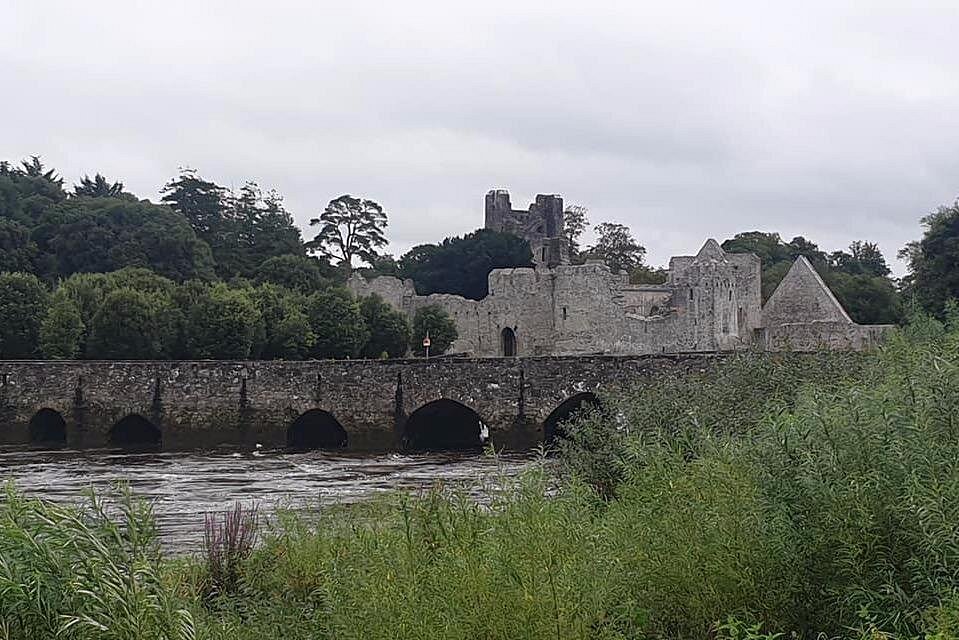
Known as one of Ireland’s prettiest villages, Adare is home to quaint, thatched-roof cottages that line its streets. The village is steeped in history, too and features landmarks such as the majestic Adare Manor (now a super-luxurious hotel). It’s a stunning example of Victorian neo-Gothic architecture set amidst lush, manicured gardens. The 13th-century Desmond Castle and the ancient Trinitarian and Augustinian abbeys are also worthy visits here.
Interestingly, the tiny village of Adare, or more specifically, the golf course at Adare Manor, will play host to the 2027 Ryder Cup. It will be the centennial edition of the biennial match between the United States and Europe and will take place from September 13 to 19, 2027.
Bunratty Castle
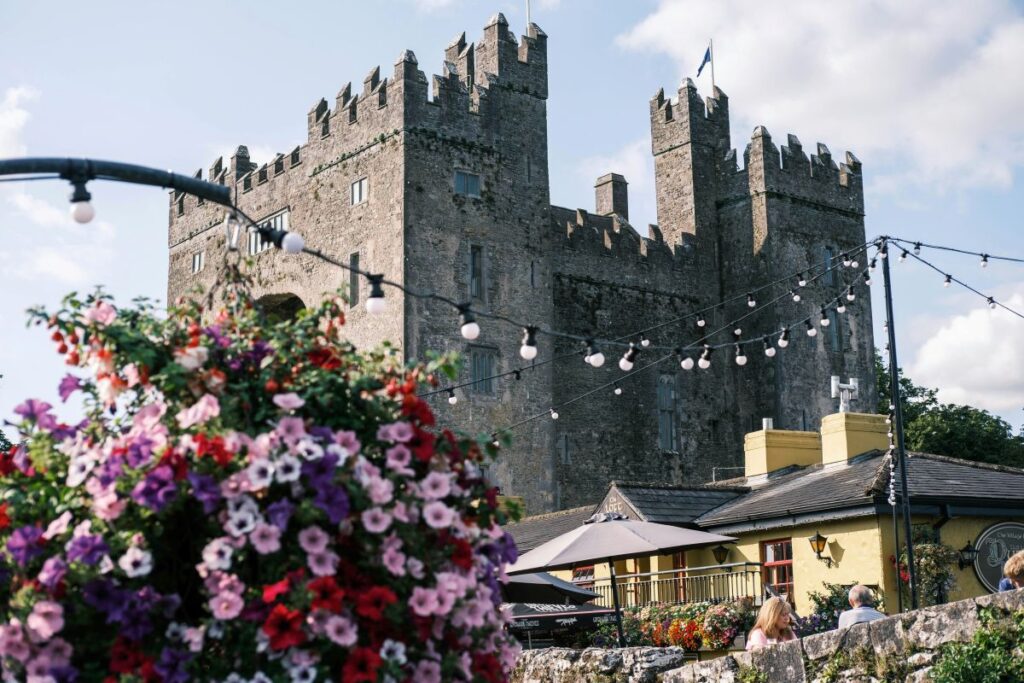
This 15th-century castle is one of the most complete and authentically restored castles in Ireland. Its majestic towers and regal halls are wow-worthy. And once inside, you can explore an impressive collection of art, furniture, and tapestries.
I will add that the castle is part of Bunratty Folk Park, where you can walk through a charming recreation of a 19th-century Irish village, complete with traditional cottages, shops, and even a pub. The park is a true immersive experience of rural Irish life from years ago. And when you visit, you can watch live demonstrations of crafts and more. If you can, the famous Bunratty Medieval Banquet (a cool dining experience) is so worth booking.
Ennis
Ennis, the largest town in County Clare, is our next suggested stop on this road trip.
Spend an hour or two here – strolling around its narrow, winding streets, and like me, you’ll be captivated by the medieval architecture and vibrant atmosphere. Ennis is perhaps most renowned for its rich musical heritage, making it the perfect stopover for traditional Irish music enthusiasts. And as you can guess, the town hosts lively music sessions in many of its cozy pubs (we rate Preachers), where you can experience authentic Irish hospitality
Lahinch
Known for its stunning sandy beach, Lahinch is very popular with surfers who flock to ride the waves year-round. The promenade here is also the perfect spot to stretch your legs and take in the ocean views.
Cliffs of Moher
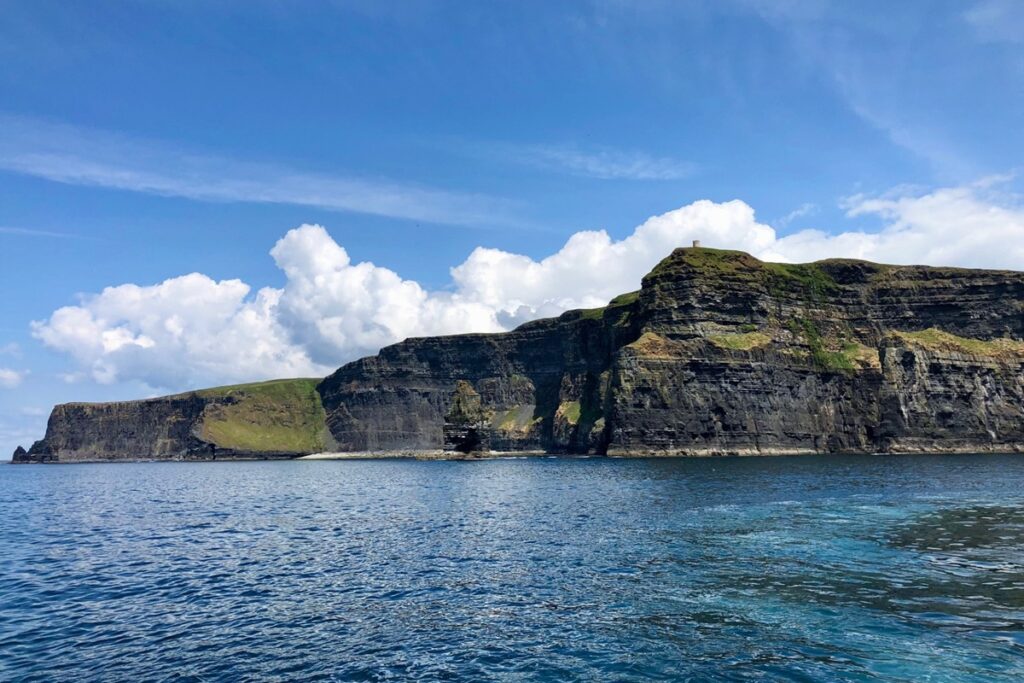
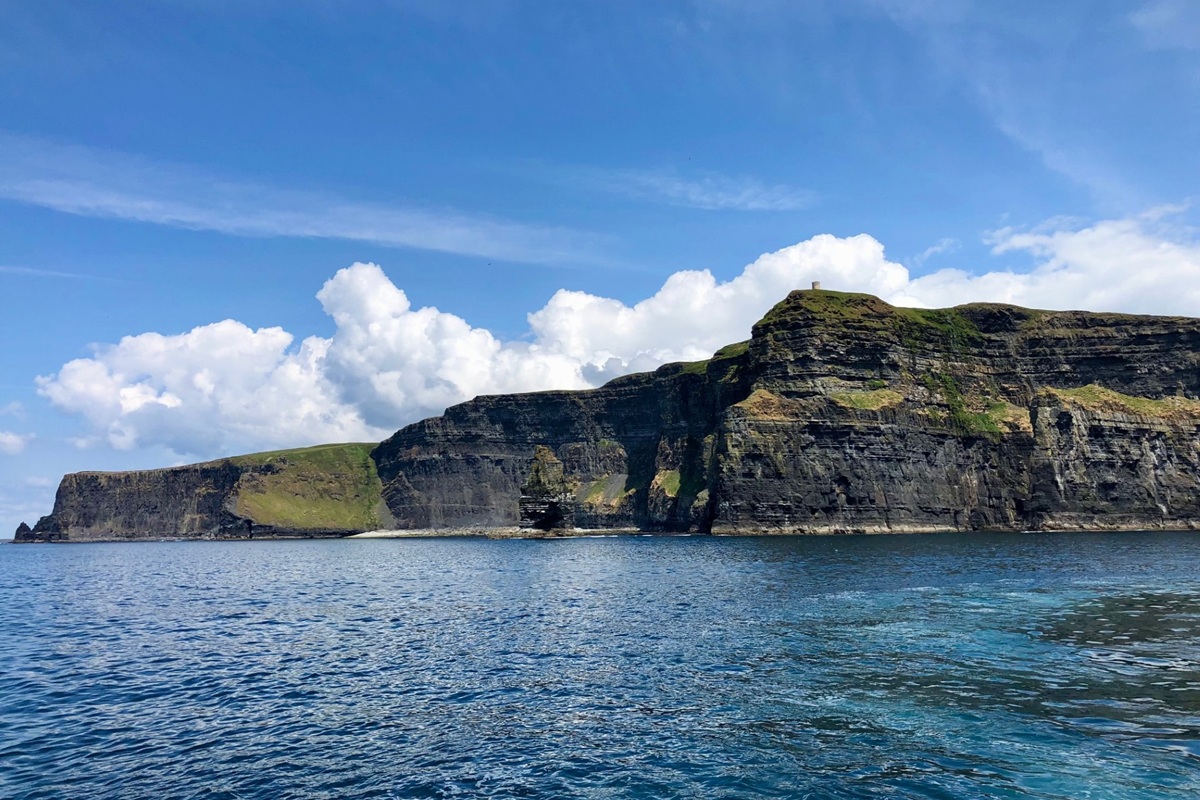
The iconic Cliffs of Moher are arguably Ireland’s poster child, and very few tourists come to Ireland without having ticked them off. Would you believe they are the second-most visited tourist attraction in Ireland (behind the Guinness Storehouse) – with over 1.5 million coming here every year!
Stretching for about 14 kilometers and rising over 200 meters above the Atlantic Ocean, these cliffs offer breathtaking panoramic views that are simply unparalleled. On a clear day, you can see the Aran Islands, the Maam Turk Mountains, and even the Twelve Bens in Connemara. The cliffs are home to a diverse range of wildlife, including puffins, guillemots, and razorbills!
Here are my top tips for visiting this super-busy spot:
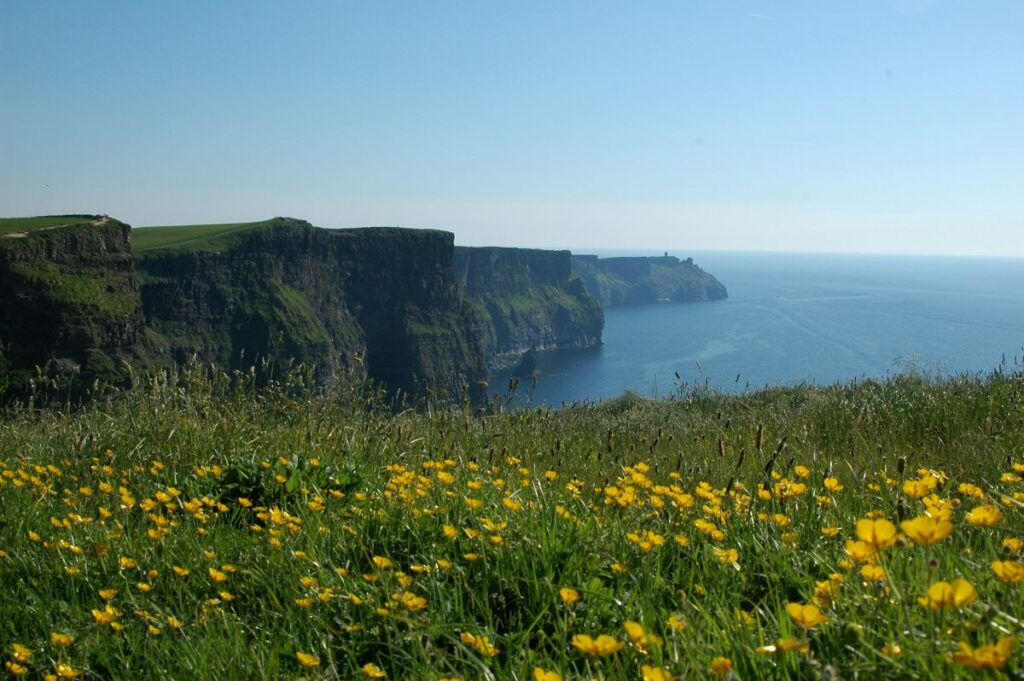
Check the weather forecast before you go, as conditions can change quickly, and bring appropriate clothing to stay comfortable in windy or rainy conditions. You may also be unlucky in that the cliffs may be covered by clouds/ mist – that’s why we always recommend staying nearby (Lahinch Coast Hotel is our choice) so that you can come back the next day.
Arrive early (as early as 7 am in the summer months) or get here for sunset (which can be as late as 10 om in the summer) to avoid the crowds and enjoy a more peaceful experience.
Make time to visit the visitor center to learn about the geology, history, and wildlife of the area.
Stay on the designated paths for safety and to help preserve the natural environment; the cliffs can be dangerous if you venture too close to the edge.
Parking at the Cliffs of Moher:
The main car park is located directly across from the Visitor Centre. Parking is included in the cost of admission, which is roughly €10 per adult when booked online (children under 12 are free). You must pre-book your tickets to secure your entry and parking slot. Arriving here outside of normal operating hours (e.g., before 8:00 AM or after 7:00 PM in the summer) is often free, but the visitor centre will be closed.
There is a private car park nearby at Hag’s Head/ Guerin’s Path, but the farmer typically charges around €5 per car to park there. It’s typically much less chaotic than the car park at the visitor centre.
Doolin
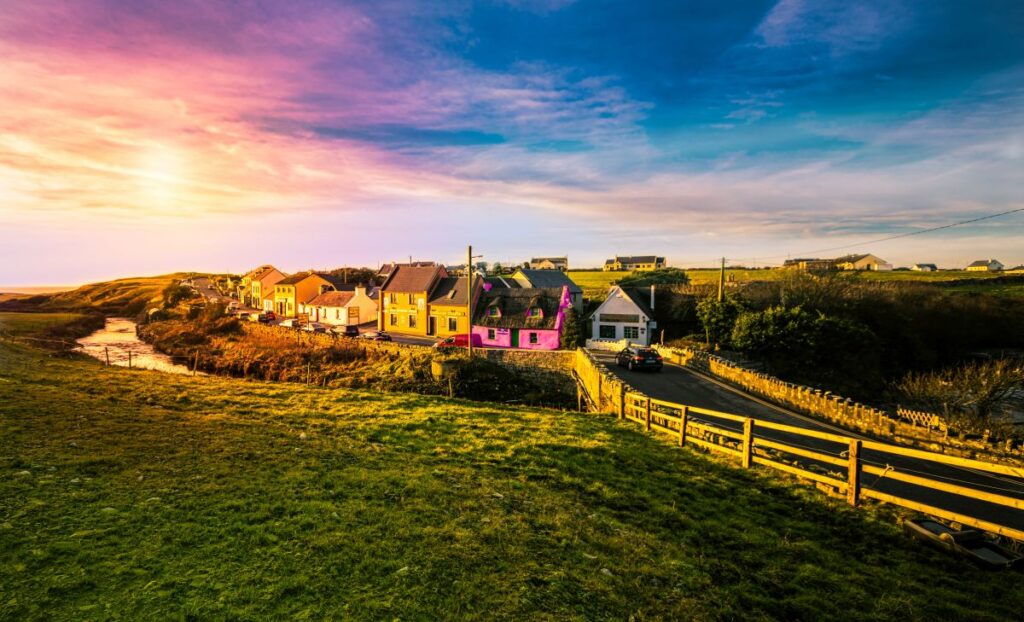
This teeny-tiny colorful village is just a 10-minute drive from the Cliffs and is well worth a stop. It’s so photogenic (I’m sure the photo above looks familiar to you!) Like Ennis, Doolin is also renowned for its vibrant traditional Irish music scene, with cozy pubs like Gus O’Connor’s providing authentic, toe-tapping sessions.
Renting a Car in Ireland
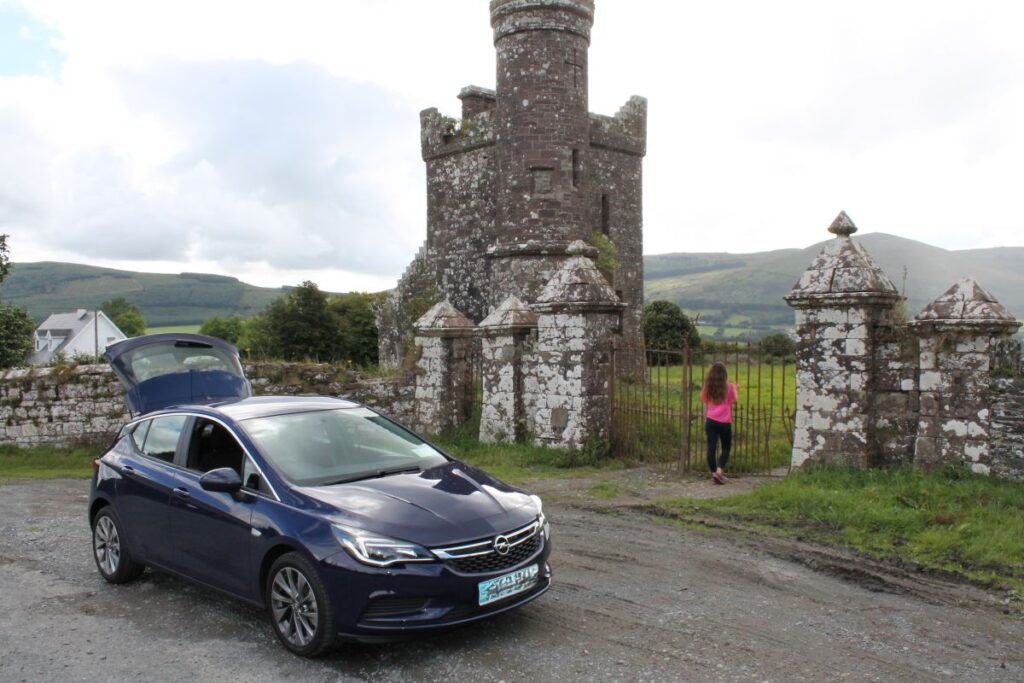
When it comes to driving in Ireland, choose a vehicle that suits your travel needs. If you’re planning to explore rural areas or rugged landscapes, consider renting a compact or four-wheel-drive vehicle, which will handle narrow, winding roads more efficiently. Be sure to book your rental car well in advance, especially during peak tourist seasons, to secure the best rates and availability.
The cost of renting a car in Ireland can be expensive. However, there are some ways you can save money. We tend to always book our rental car through Discover Cars. This is a search engine for rental cars and allows you to filter by price if you’re on a budget or by vehicle type if there’s a specific car you’re after.
- Generally speaking, you can expect to pay around €300 per week for a manual (stick shift) economy car; this will rise to around €350 during the peak months of June, July and August.
- Try to rent your vehicle from major cities such as Dublin, Cork, Galway, Belfast, and Limerick. That’s because car hire companies in smaller cities tend to have fewer and more expensive options.
- Book as small a car as you can manage!
- We highly recommend selecting fully comprehensive car insurance. The roads and car parking spaces in Ireland are narrow, so it will quell your fears of getting a bump or scratch. Check if your credit card insurance covers this (some do!)
☘️ Packing list for Ireland:
Clothing:
- A good raincoat – it rains a lot in Ireland, but the temperatures are never ‘freezing’, so a warm, easily layerable jacket is essential.
- For layering – I use this REI Midweight Half-Zip, which I find to be quite thick and insulative. I have it in the Dusk Heather and Black Heather colors.
- And I always buy these Sweaty Betty baselayer leggings for the colder months.
- Comfortable, loose pants for everyday – I wear my Sweaty Betty modal wide leg pants so much here.
- Sweaters and cardigans (about two of each).
- Jeans, comfortable pants (three pairs total).
- Scarf, gloves, and a beanie – essential in winter and maybe in summer too, depending on where you’re coming from.
Footwear:
- A decent pair of walking shoes – I wear my Teva Hurricane Sandals most of the time in the warmer months; they are so comfortable and have sturdy soles.
- My Hunter wellies are well-worn here in the winter.
- And if you’re going to be doing hikes here, then these Acrus boots from ArcTeryx are brilliantly rated, and they’re made from super material GORETEX.
- A pair of trainers or other casual shoes for everyday wear.
Accessories:
- Sunglasses with UV protection
- Belt
- Underwear
- Waterproof cover for your bag
Miscellaneous:
- Travel-sized toiletries (shampoo, conditioner, bodywash, facewash, deodorant)
- Moisturizing skincare products (wind can dry out skin)
- Sunscreen
- Toothpaste/ toothbrush
- Lip balm with SPF
- Hand sanitizer
- Camera or smartphone for capturing memories
- Reusable water bottle
Essentials:
- Travel documents (ID, passport, hotel booking confirmations, etc.)
- Travel insurance information
- Driver’s license (if you plan to drive here)
- Phone, charger, and international adaptors (if needed)
- Necessary medicines
- Cash (around 200 euros, just in case)
- Credit/ debit cards
Optional:
- Swimwear (if your accommodation has a heated pool or spa or if you plan to go sea swimming)
- Dressy outfit (for any special dinners or events)
- First aid items (band aids, pain relief meds, Imodium/Gaviscon, disinfectant wipes)
You can read more about what to pack for Ireland here.
Thanks for reading!