10-Day Self-Drive Itinerary for Ireland (Starting in Dublin)
Starting and ending in Dublin, this 10-day road trip itinerary for Ireland includes stops in gorgeous spots like Glendalough, Galway, the Cliffs of Moher, Killarney, Cork & Kilkenny. It truly does tick off the best of Southern Ireland, and even though it takes in a lot, I’ve tried to give you at least a night in each spot so that you’re not rushing around too much.
Because the beauty of Ireland is really to be seen in the quiet moments – walking through the Wicklow Mountains in the morning before the bus tours arrive or getting up early to stroll around Dublin before the city wakes up.
This is a road trip I’ve done many times, and I like that you don’t ever have to go back on yourself – except to head back up to Dublin on the last day to catch your flight home. It’s a little different from the other 10-day itineraries out there as it includes the Wicklow Mountains & Glendalough over places like Dingle and Cobh; even though I love these spots, I feel they can feel crowded – because they are quite small towns.
My 10 Days in Ireland Itinerary
Days 1 & 2: Dublin
Dublin is one of the most-visited cities in Europe, which makes sense considering it’s steeped in history, has friendly locals, and great pubs. And as the home to the largest international airport in Ireland, it’s where I recommend starting this 10 days in Ireland itinerary.
I love Dublin, even though it can feel crowded and is notoriously expensive – the city gets a lot of hype for good reason. First off, it’s the home of the iconic Book of Kells and Temple Bar, and it’s also home to Ireland’s most visited tourist attraction – the Guinness Storehouse.
And I know that 48 hours in Dublin may seem like a short amount of time, but you’d be surprised at how much you can squeeze into two days here
My Top Things to Do in Dublin:
Trinity Library:
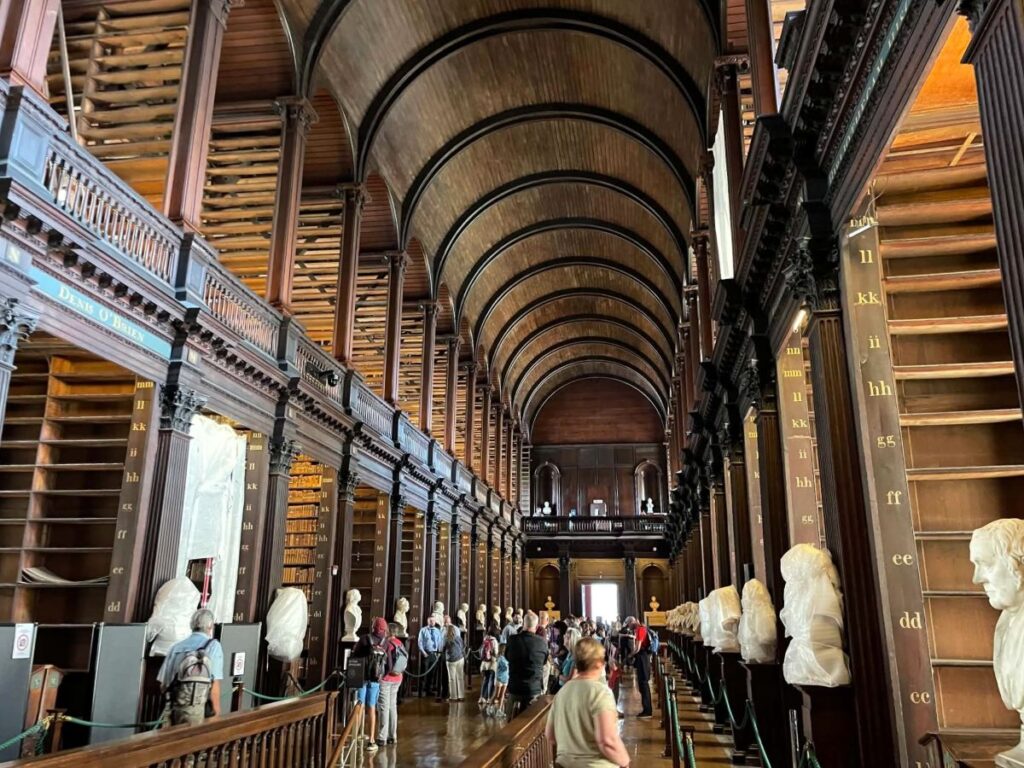
The Long Room is the piece-de-resistance here, and it really is so photogenic – albeit a little moody and gothic. With its majestic, vaulted ceiling and endless rows of ancient books, it’s a dream come true for any bibliophile. As you likely already know, the library is home to the world-famous Book of Kells, an intricately illuminated manuscript that dates back to the 9th century.
Dublin Castle:
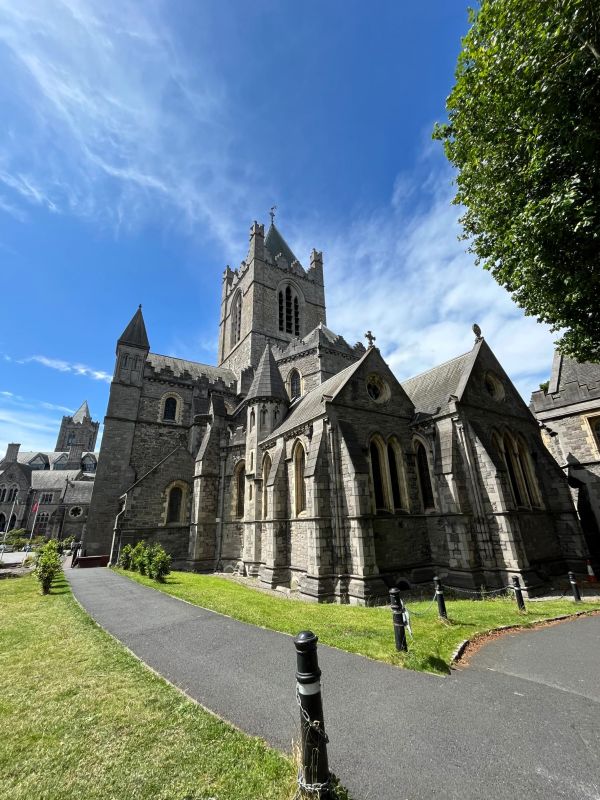
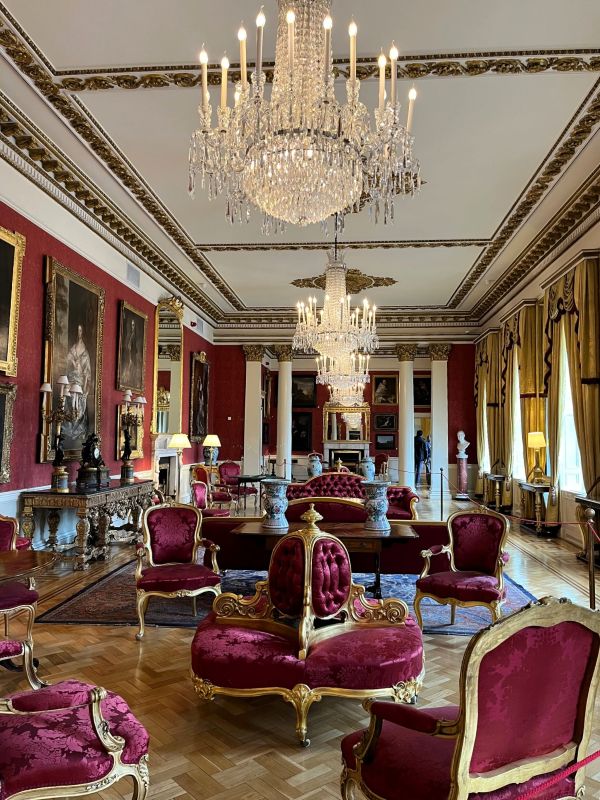
Dublin Castle was once the heart of British rule in Ireland, and today it serves as a vibrant symbol of Irish heritage. You can wander through its stunning State Apartments, adorned with exquisite art and opulent decor, and explore the atmospheric medieval undercroft. The Chester Beatty Library, within the grounds, houses a world-renowned collection of manuscripts and rare books. And it’s a must-see in my opinion.
Phoenix Park:
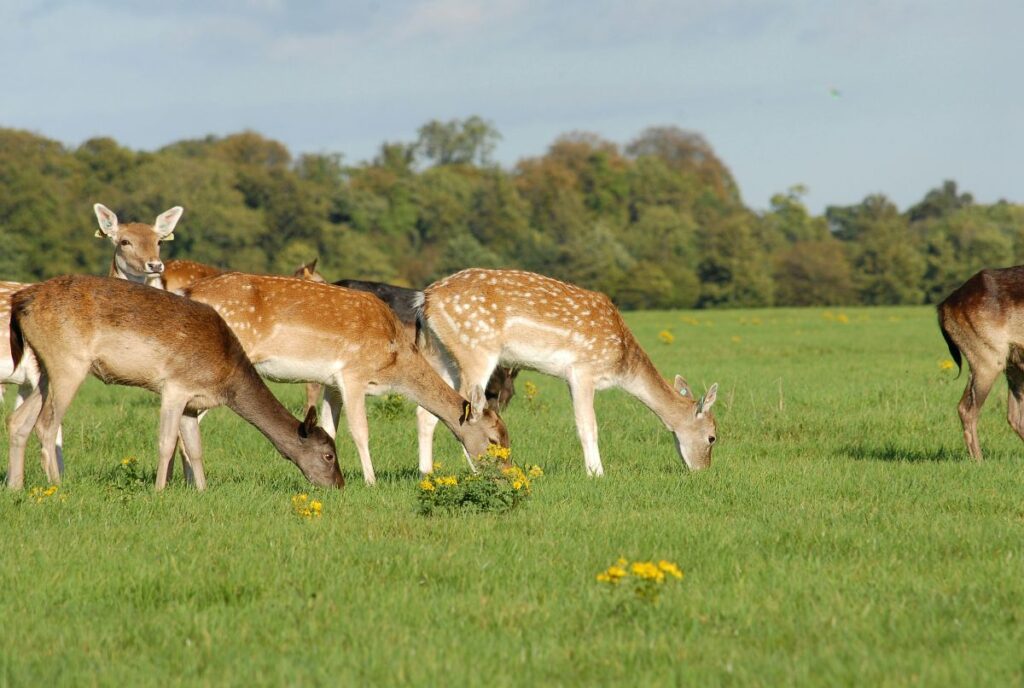
Phoenix Park is known as the largest enclosed public park in any European City.
Spanning over 1,750 acres, Phoenix Park is the perfect place for a peaceful walk. The park is also home to a herd of wild fallow deer, adding a touch of enchantment/ magic. Don’t miss out on seeing Áras an Uachtaráin, the residence of the President of Ireland, while you’re here, or the Victorian People’s Flower Gardens.
Guinness Storehouse:
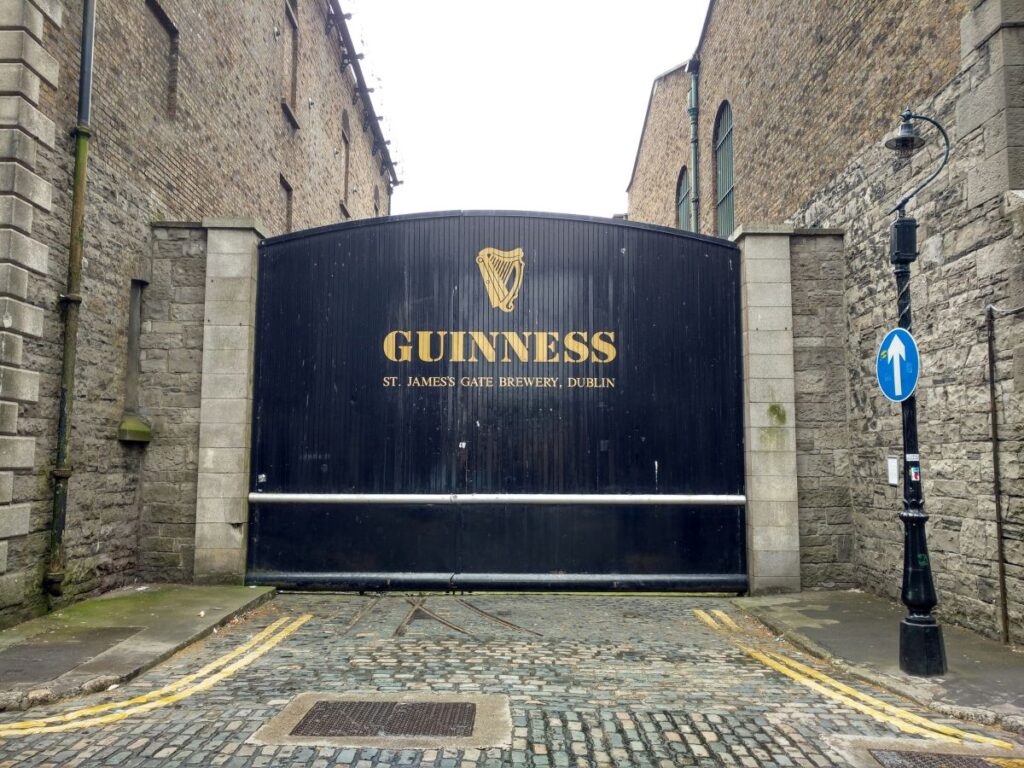
Next, you can’t can’t miss the Guinness Storehouse to sip on Ireland’s most famous beer!
This is, would you believe, the number one tourist attraction in Dublin – it’s spread over seven floors of interactive exhibits, each one unraveling the story of how this iconic beer is brewed and its global impact. As you make your way up through the exhibits, you’ll be treated to fascinating insights into the brand’s innovative advertising and the art of crafting the perfect pint. Your experience ends at the Gravity Bar, where you can try a complimentary pint of Guinness while taking in breathtaking panoramic views of the Dublin skyline.
As for dinner tonight, I really like WILDE Restaurant on Harry Street.
Temple Bar:
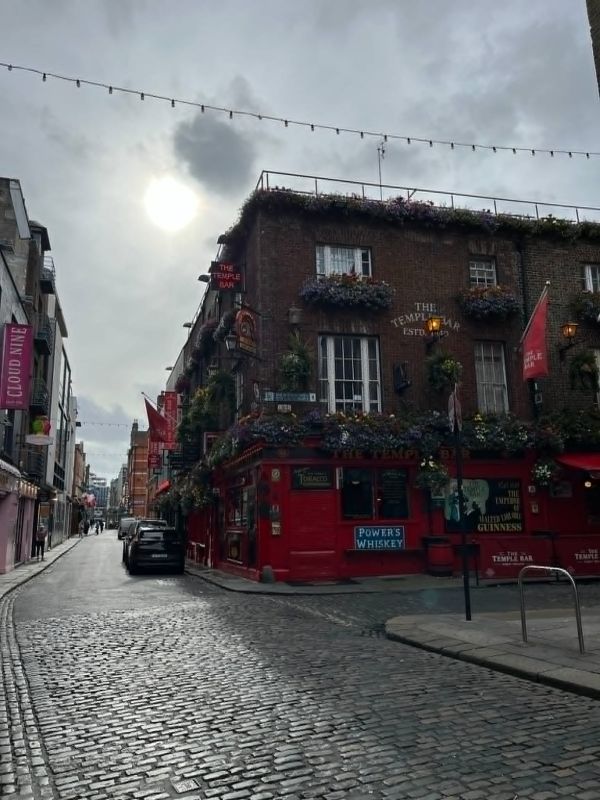
Okay, a little bit of a predictable addition – but, honestly, if you only have 24 hours in Dublin, visiting Temple Bar in the evening is a must-do, even just for a quick walk around to take in the fun atmosphere.
Try to visit one of the many traditional Irish pubs, like The Temple Bar Pub itself, where you can enjoy a pint of Guinness or an Irish whiskey (or something else) while listening to live traditional music – which is on every day!
Where to stay in Dublin:
- If your budget allows, a standout hotel in Dublin is The Westbury, a luxurious five-star hotel, just a stone’s throw from Grafton Street. It’s renowned for its opulent decor and exceptional service.
- The Dean Dublin is another cool hotel option in Dublin, it combines modern design with a lively atmosphere and boasts a trendy rooftop bar and stylish rooms.
- You could also check out one of the awesome Airbnbs in Dublin here.
Day 3: Wicklow Mountains & Glendalough
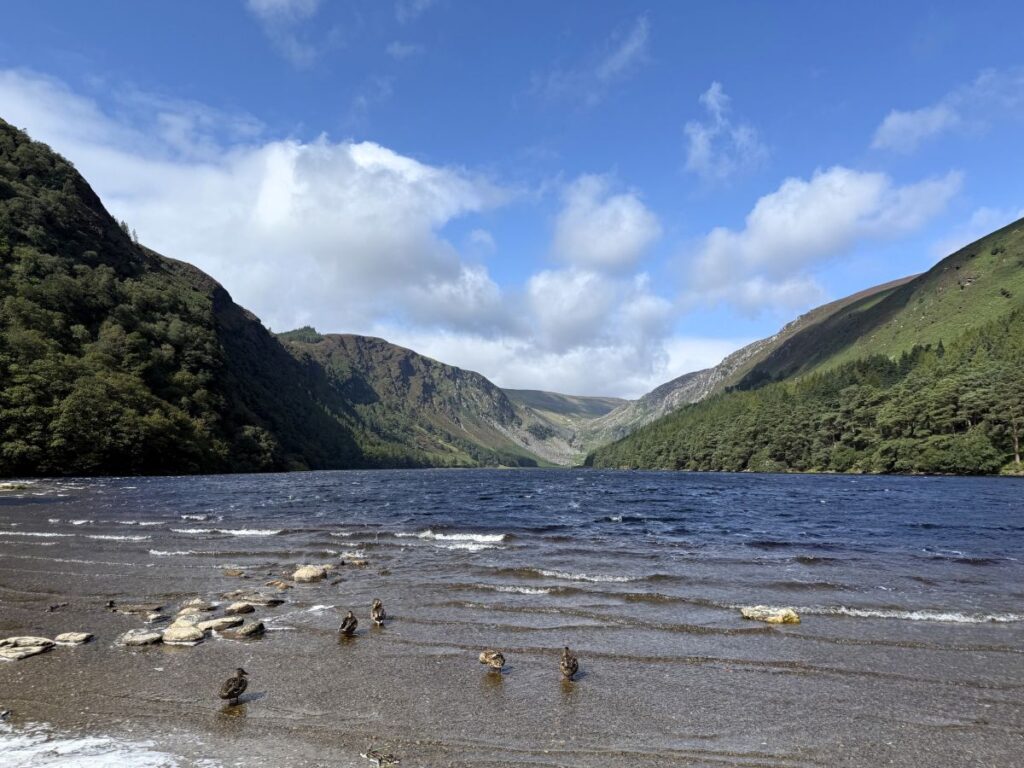
- Distance from Dublin: 68 km (1 hour 12 minutes without stops)
Glendalough is a mesmerizing glacial valley known for its breathtaking natural beauty and rich historical significance.
The name “Glendalough” translates to “Valley of the Two Lakes,” and the area truly lives up to its nickname with stunning views of its upper and lower lakes, surrounded by lush greenery and rugged mountains. This enchanting landscape is heaven for hikers with a myriad of trails that cater to all levels of fitness, from the serene boardwalk around the lakes to the more challenging Spinc Ridge walk.
Beyond its natural beauty, Glendalough holds profound historical value as the site of an early medieval monastic settlement founded by St. Kevin in the 6th century. Be sure to explore the well-preserved ruins, including a round tower, stone churches, and ancient crosses, which offer a glimpse into Ireland’s early Christian heritage.
In short, the peaceful atmosphere of Glendalough, combined with its spiritual past, creates a unique sense of peace and reflection when you visit. And there’s good reason why it’s one of the most popular day trips from Dublin.
Where to stay near Glendalough:
Nestled in the heart of Wicklow Mountains National Park, the Glendalough Hotel boasts views of the historic ruins of Glendalough Cathedral. The hotel features en suite rooms, alongside a restaurant and pub.
Or you could book a guided bus tour from Dublin (a day trip that will bring you back to Dublin), as direct public transport is limited.
Days 4 & 5: Galway
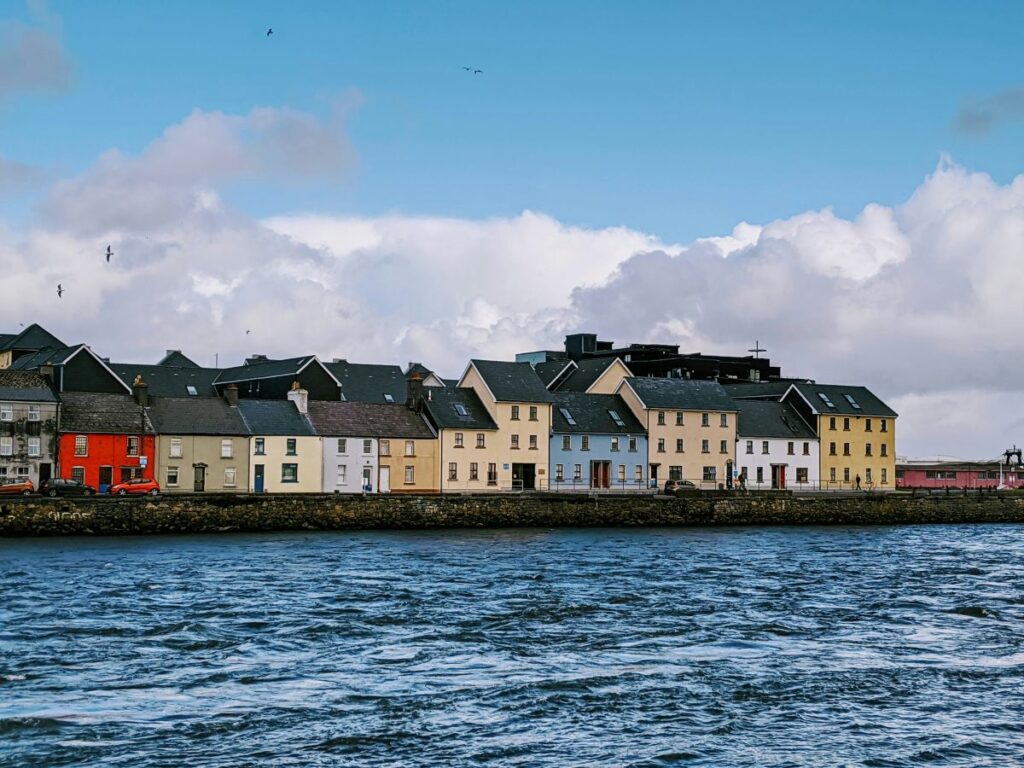
- Distance from Glendalough: 247 km. I recommend stopping in Athlone along the way to break up the journey. This is the biggest distance, so allow enough time (4-5 hours, including stops) to complete it.
Galway, the vibrant city on the west coast of Ireland, is a mosaic of culture, history, and natural beauty. Known for its lively arts scene, historic sites, and the stunning landscapes of Connemara just a stone’s throw away, Galway is a must-visit destination.
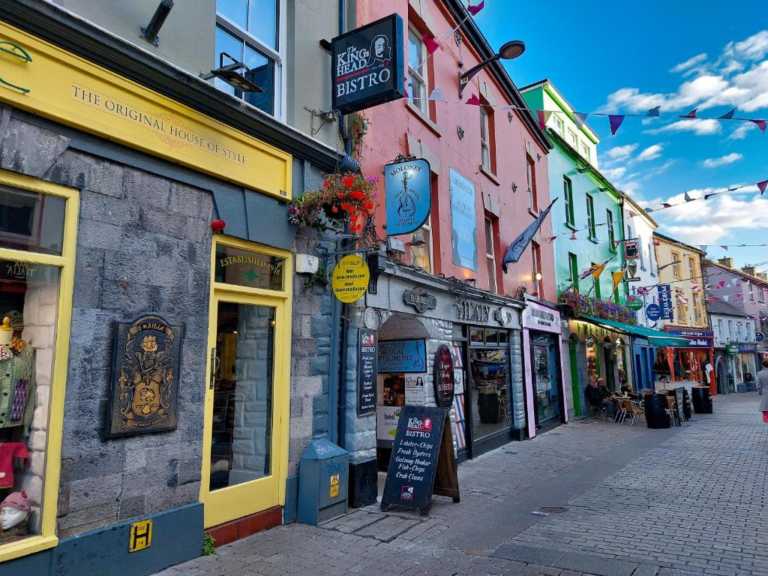
I recommend you start your visit with a stroll through the Latin Quarter, where its cobblestone streets are lined with colorful shops, quaint cafés, and traditional pubs offering live Irish music. Don’t miss the iconic Galway Cathedral, with its stunning stained glass and impressive dome.
For a taste of Galway’s artistic spirit, visit the Galway Arts Centre or catch a show at the Town Hall Theatre. If you have time, you should also check out Lynch’s Castle and the Hall of the Red Earl, a fascinating archaeological site.
In the evening (or around sunset), head out to Salthill Promenade for a walk along the coast, and take in the lovely views of Galway Bay.
If you’re visiting in July, the Galway International Arts Festival is a must-see, showcasing performances and exhibitions from around the world.
Where to stay in Galway:
- Designed by renowned Irish milliner (hat maker) Philip Treacy, The G Hotel & Spa is the epitome of luxury and style. Located just a short walk from Galway city centre, this five-star Galway hotel is perfect if you want elegance and comfort.
- Centrally located in buzzing Eyre Square, The Hardiman is steeped in history and tradition. This iconic hotel has been a cornerstone of Galway hospitality since 1852.
Stopover Suggestion: Cliffs of Moher
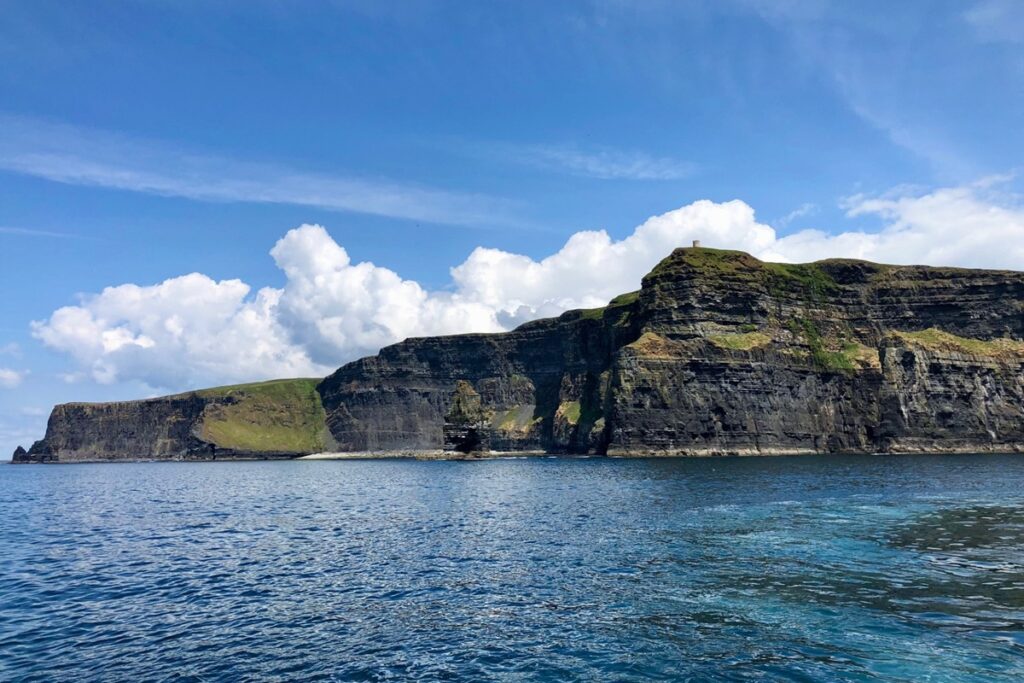
On your drive to Killarney, leave early so that you can stop off at the Cliffs of Moher; it will add an extra 50 km to your journey, which isn’t bad. I would go so far as to suggest leaving Galway as early as 6/7 am so that you can get to the Cliffs of Moher before the crowds arrive.
Would you believe they are the second-most visited tourist attraction in Ireland (behind the Guinness Storehouse) – with over 1.5 million coming here every year?
Stretching for about 14 kilometers and rising over 200 meters above the Atlantic Ocean, these cliffs offer breathtaking panoramic views that are simply unparalleled. On a clear day, you can see the Aran Islands, the Maam Turk Mountains, and even the Twelve Bens in Connemara. The cliffs are home to a diverse range of wildlife, including puffins, guillemots, and razorbills!
Days 6 & 7: Killarney & Ring of Kerry
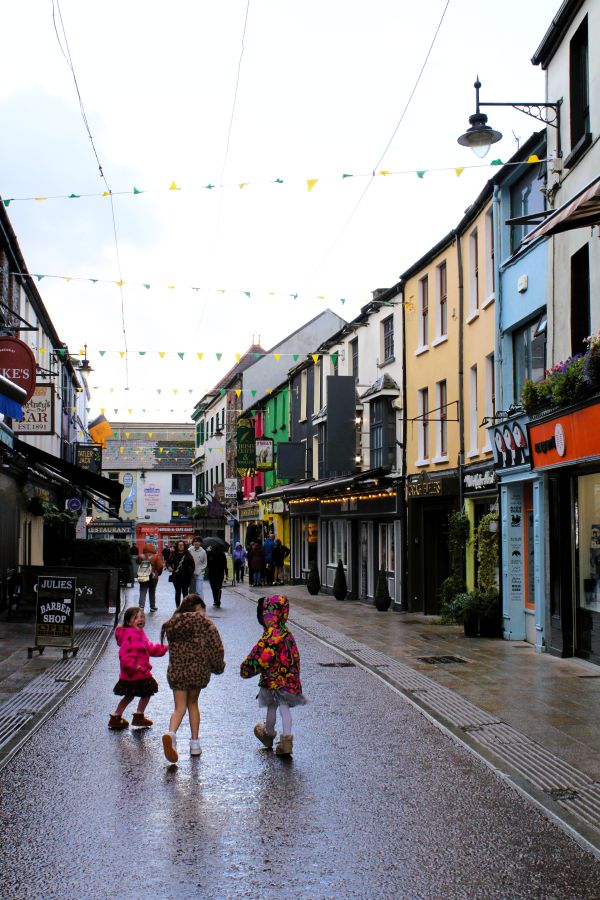
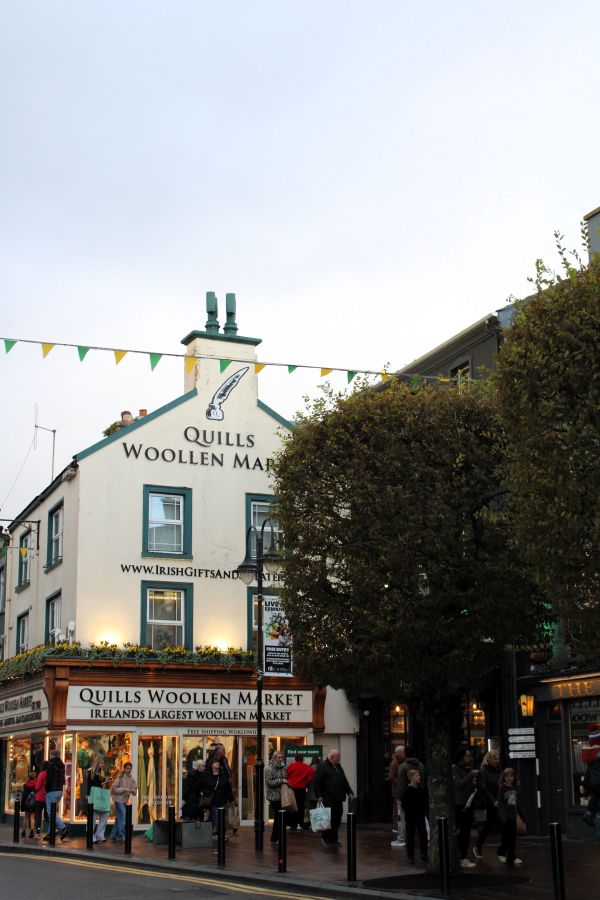
- Distance from Galway: 216 km. It makes sense to do the Cliffs of Moher on your drive from Galway to Killarney as it’s (kind of) on the way – it adds an extra 50 km to your drive.
This lively, colorful town is one of the most-visited towns in all of Ireland and for good reason. It’s picture-perfect, has loads of great bars and restaurants, and heaps of great locally-run stores too. Being from neighboring Cork, I visit Killarney regularly, and honestly, I never get tired of it.
Make sure you don’t miss St Mary’s Cathedral, famous for its stunning interior, and the historic Killarney House and Gardens.
For food here, you can’t go wrong with The Laurels Pub & Restaurant, which offers hearty Irish dishes in a cozy pub setting. And for live music in the evening, head to J.M. Reidy’s or Danny Mann’s – two of our favorite pubs in town.


And of course, Killarney is home to the famed Killarney National Park. I’ve visited this stunning park countless times over the years. And I’ll be completely honest: even though it’s insanely popular with tourists, it’s still one of my favorite places to visit in all of Ireland.
Killarney National Park, although huge (it’s a whopping 25,000 acres), is very easy to walk around, and there’s so much to do here, from visiting Muckross House to hiking to Torc Waterfall, that I recommend spending one full day here! That way, you’ll have enough time to go on a hike (I recommend the 3 km Knockreer circular walk) and visit the Park’s top attractions like Muckross House, Ross Castle, Torc Waterfall, and Muckross Abbey. As well as grab a coffee or lunch at the on-site Garden Restaurant, which is located at the main entrance.


And on your second day here in Killarney, I strongly recommend driving the astoundingly beautiful Ring of Kerry. It is 180 km long, starts and ends in Killarney, and my must-stops along the Ring of Kerry include Glenbeigh, Caherdaniel, Sneem, and Kenmare.
Day 8 & 9: Cork City & Blarney Castle
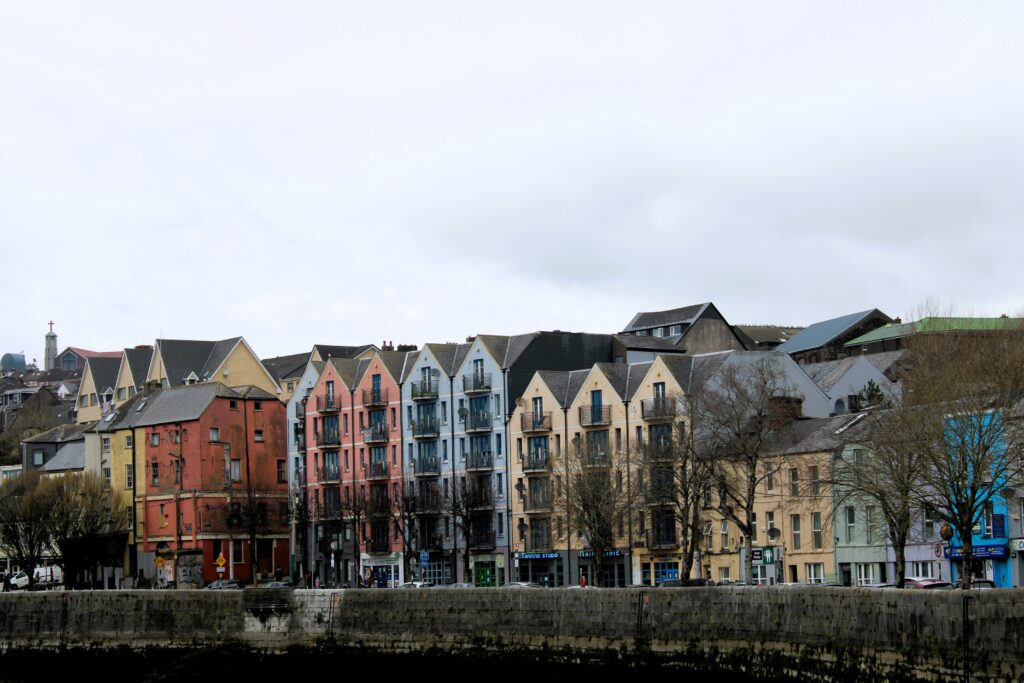
- Distance from Killarney: 88 km (1 hour and 12 minutes without stops)
As the second largest city in Ireland, Cork City features on many tourists’ Irish itineraries. And even though I love the city (I’m from here), Cork gets a bit of a bad rap among some visitors as it’s not as visually appealing as, say, Dublin or Galway. And that’s exactly why I always recommend Cork City to tourists – because it’s authentic, and a little gritty. It really gives you a true taste of an Irish city.
On any day here, you’ll get a behind-the-scenes look at city life because Cork knows who it is and doesn’t pretend to be something else, if that makes sense!
With one full day in the city, you’ll get to tick off the city’s top sights like the world-famous English Market and the Shandon Bells (a local favorite spot). And squeeze in a visit to St Fin Barre’s Cathedral, University College Cork, and Blackrock Castle. All of these are located within the city limits, so you can walk between them.
Blarney Castle:

On day two, I advise squeezing in visits to Blarney Castle and Kinsale. I suggest doing Blarney Castle first (get there as soon as it opens at 9 am). This castle is home to the legendary Blarney Stone, which bestows the gift of the gab upon those who kiss it.
The castle’s gardens are equally captivating, with whimsical features such as the Poison Garden and the magical Rock Close, rumored to be the domain of druids and fairies. Yes, the Castle’s grounds sprawl across 60 acres, and I recommend allowing around 3 hours when visiting Blarney Castle. That way, you’ll have enough time to kiss the stone and explore the gorgeous gardens. As well as grab a coffee or snack at the on-site Cafe, which is located within an old stable.
Kinsale:
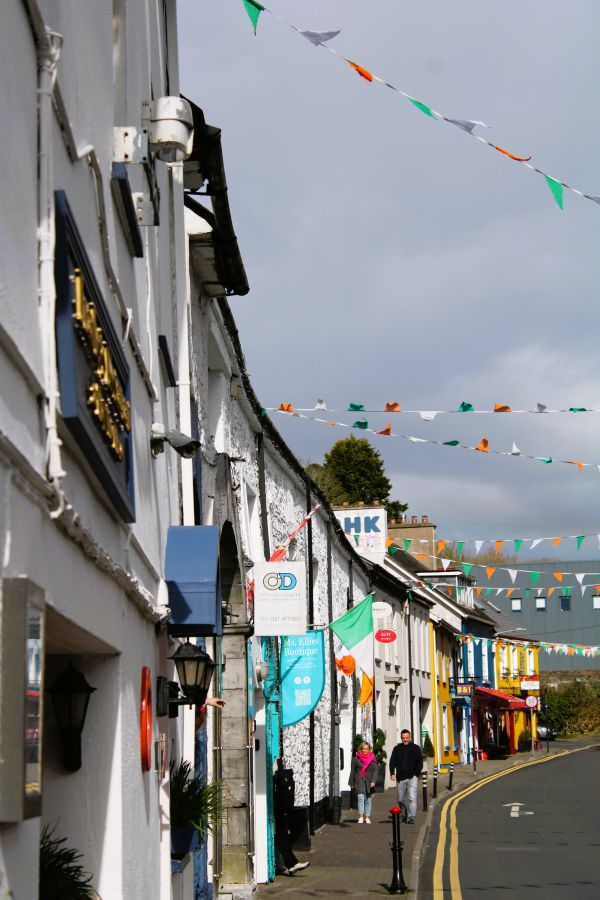

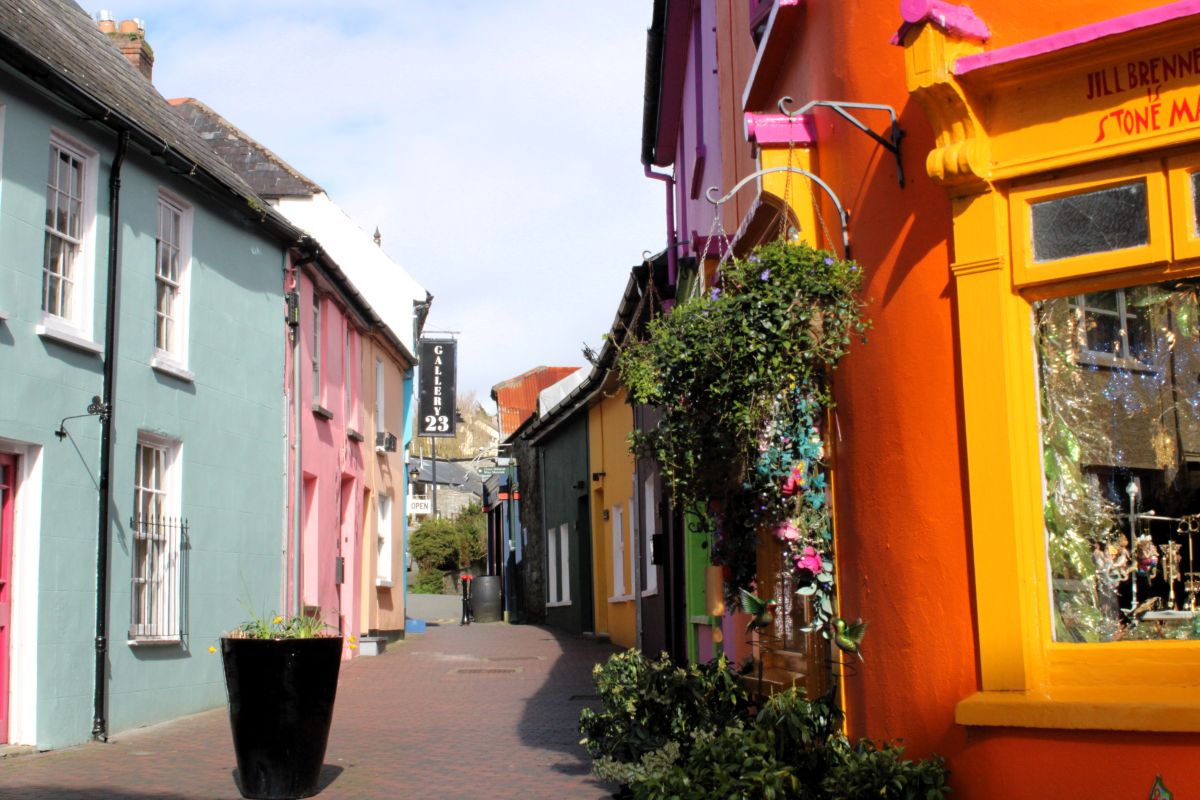
In the afternoon, head for Kinsale – around a 40-minute drive from Blarney. Kinsale is one of the most famous towns in Ireland, renowned for its brightly painted buildings and excellent restaurant scene. In fact, Kinsale is often labelled the ‘foodie capital of Ireland’. And despite its popularity, Kinsale remains one of my favorite spots in Cork!
Start your time in Kinsale off with a wander through town to snap some colorful photos – with Market Street and the Stoney Steps being my must-sees. Then, grab a takeaway coffee from one of the lovely Cafes in town – I like The Post House on Main Street and stroll over to the harbor to catch a harbor cruise. Where you’ll get to see marine life (such as seals and otters) and Kinsale’s top sights like the Old Head and Charles Fort from the water.
In the evening, learn about the history of Kinsale by driving over the Old Head of Kinsale and the Signal Tower/Lusitania Memorial there. It’s around a 15-minute drive. Then head back into Cork City for your last night in Cork.
Where to stay in Cork City:
- The River Lee Hotel – offering riverside rooms and stylish interiors. This is an excellent choice within walking distance of the city center.
- The Montenotte Hotel is another great choice. This super-cool and quirky hotel has been recently renovated. It has lovely gardens and a cinema!
Stopover suggestion: The Rock of Cashel
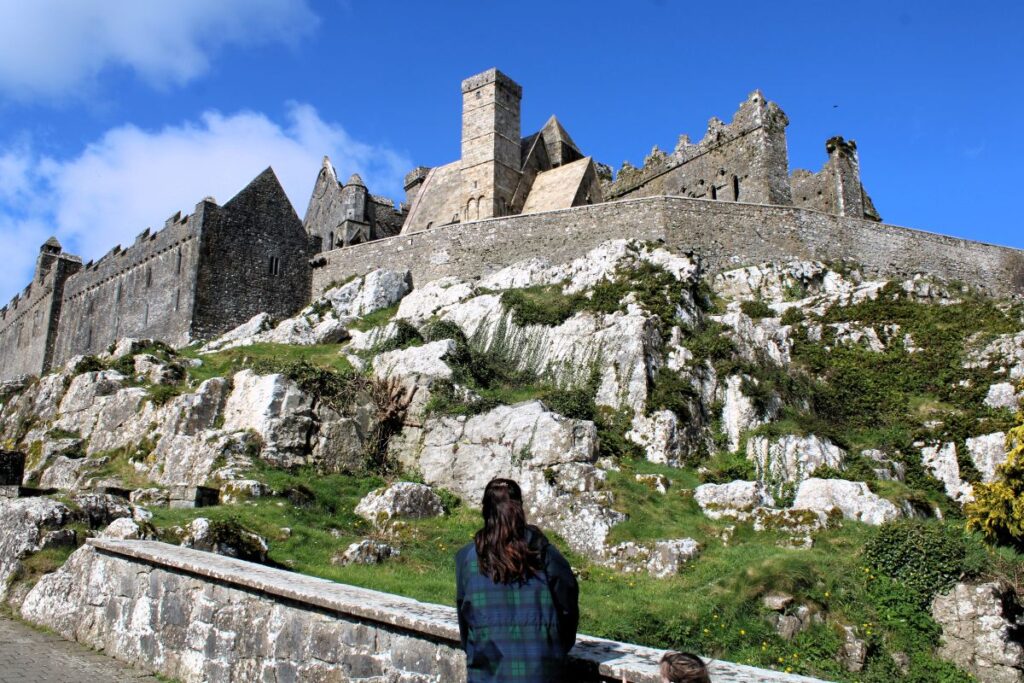
The Rock of Cashel is on your route between Cork and Kilkenny, and I recommend stopping off here for an hour or two.
Also known as St. Patrick’s Rock, it is one of the most famous historic sites in Ireland. This striking limestone hill is crowned by an impressive collection of medieval buildings that include a round tower, a high cross, a Romanesque chapel, a Gothic cathedral, and a restored Hall of the Vicars Choral.
The Rock of Cashel is said to be the site where Saint Patrick converted the King of Munster to Christianity in the 5th century. It served as the traditional seat of the Kings of Munster before being gifted to the Church in 1101.
Day 10: Kilkenny

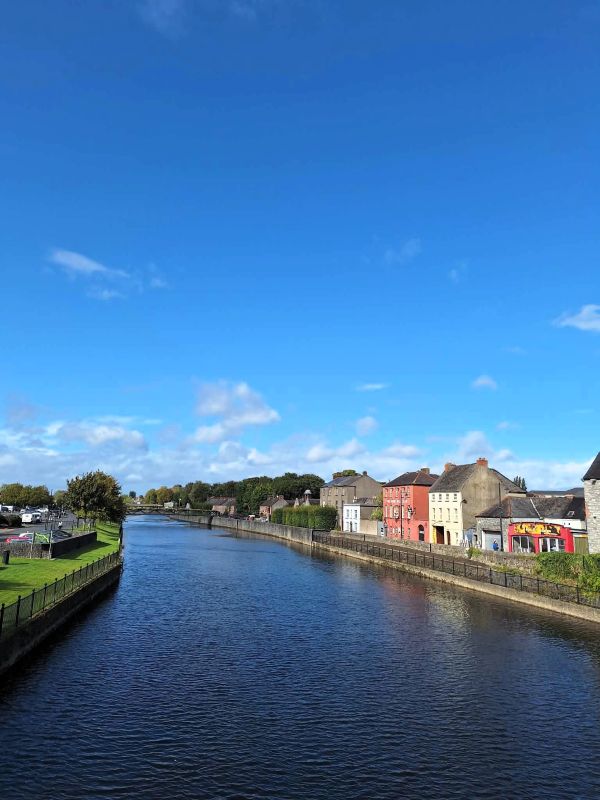
- Distance from Cork: 154 km, make a stop in the Rock of Cashel along the route as it’s on your way.
Kilkenny City, often referred to as the “Marble City,” is renowned for its medieval architecture and vibrant arts scene.
My first stop in this charming city would be the Medieval Mile, a mile-long route that stretches through the heart of the city. It links most of Kilkenny’s iconic landmarks, like the majestic Kilkenny Castle and the stunning St. Canice’s Cathedral. And as you stroll along, you will pass by medieval buildings, narrow alleyways, and charming cobblestone streets that transport you back in time.
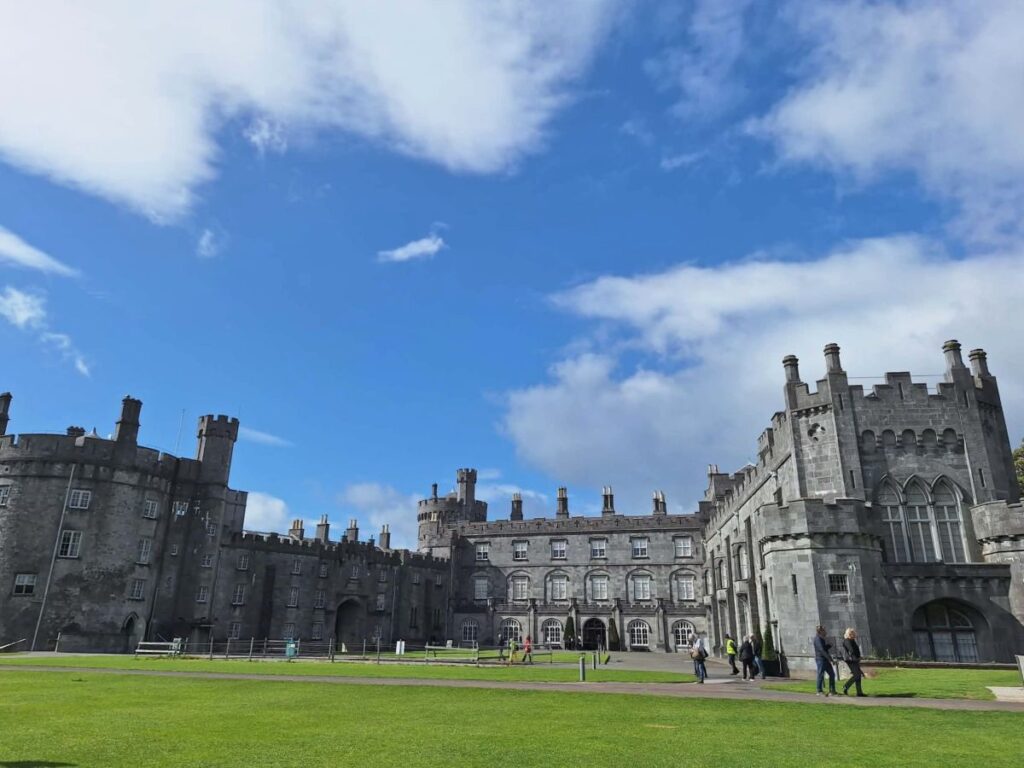
Later, take a short stroll to the iconic Kilkenny Castle. This majestic structure, dating back to 1195, is a testament to the city’s rich history. You can wander inside on your own (like I did) or join a guided tour to learn more about the history of the castle and the Butler family, who resided there for centuries. All the rooms are beautifully restored, and the artwork and furniture are phenomenal. I spent around an hour here and a further hour wandering through the castle gardens.
From Kilkenny to Dublin Airport, you’re looking at a 1.5-hour drive.
Where to stay in Kilkenny:
I stayed at the Newpark Hotel about 5 minutes drive from the center of the city. I paid 200 euros for a family room with free breakfast and free entry to the park. There’s also a swimming pool on-site, which I was able to use twice. In my opinion, it’s one of the most family-friendly hotels in Ireland.
But other hotels I considered were the River Court Hotel – a large riverside hotel in the city center and the Pembroke Hotel, which is known for its stylish decor and personalized service.
Renting a Car in Ireland
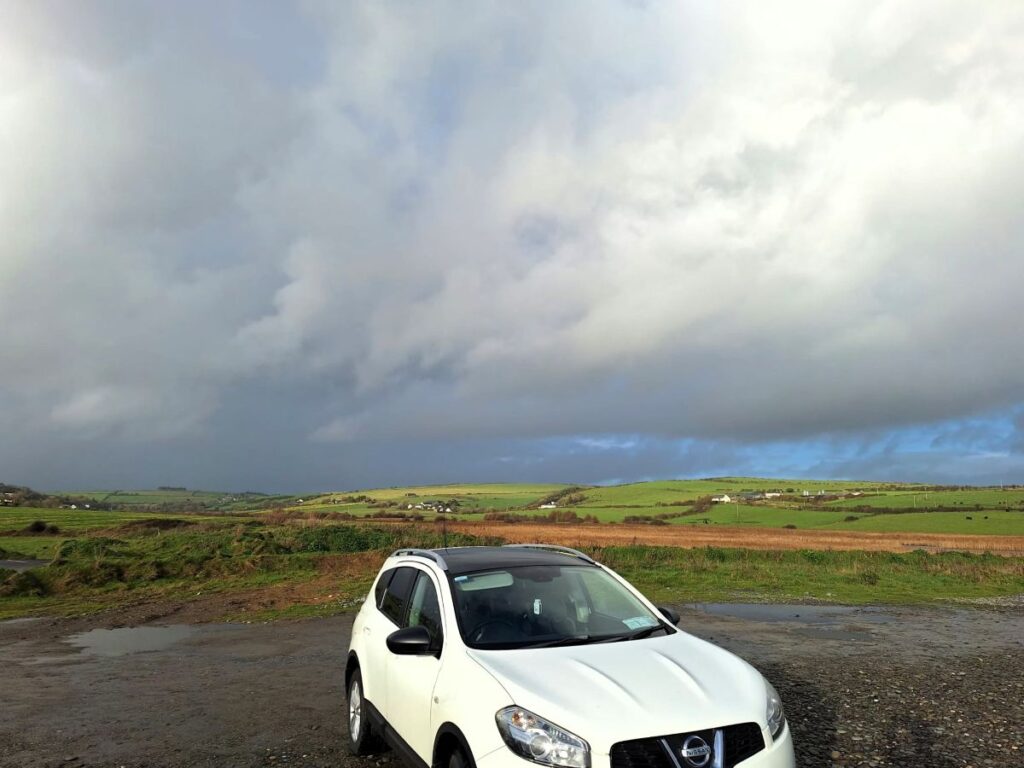
When it comes to driving in Ireland, choose a vehicle that suits your travel needs. If you’re planning to explore rural areas or rugged landscapes, consider renting a compact or four-wheel-drive vehicle, which will handle narrow, winding roads more efficiently. Be sure to book your rental car well in advance, especially during peak tourist seasons, to secure the best rates and availability.
The cost of renting a car in Ireland can be expensive. However, there are some ways you can save money. We tend to always book our rental car through Discover Cars. This is a search engine for rental cars and allows you to filter by price if you’re on a budget or by vehicle type if there’s a specific car you’re after.
- Generally speaking, you can expect to pay around €300 per week for a manual (stick shift) economy car. This will rise to around €350 during the peak months of June, July and August.
- Try to rent your vehicle from major cities such as Dublin, Cork, Galway, Belfast, and Limerick. That’s because car hire companies in smaller cities tend to have fewer and more expensive options.
- Book as small a car as you can manage!
- We highly recommend selecting fully comprehensive car insurance. The roads and car parking spaces in Ireland are narrow, so it will quell your fears of getting a bump or scratch. Check if your credit card insurance covers this (some do!)
Slainte!
I really hope you enjoyed reading my sample 10-day Ireland itinerary. This one starts in Dublin as it’s where most visitors start their Irish adventure, but I do plan to write a few more itineraries – starting in Shannon, Cork and Belfast. I will add them below when I do.
Until then, here are some other Irish road trips you may enjoy reading about –