What to Know About Visiting the Rock of Cashel (2026 Guide)
Seeing the iconic Rock of Cashel in-person is top of many tourists’ Ireland Bucket List and for good reason!
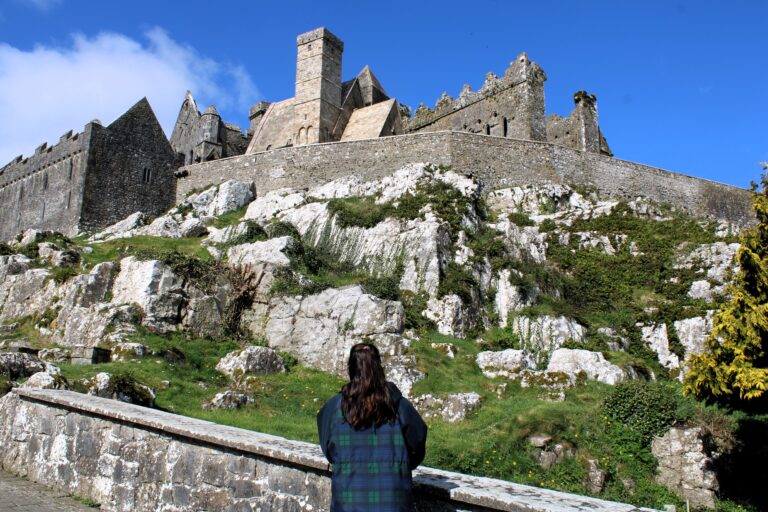
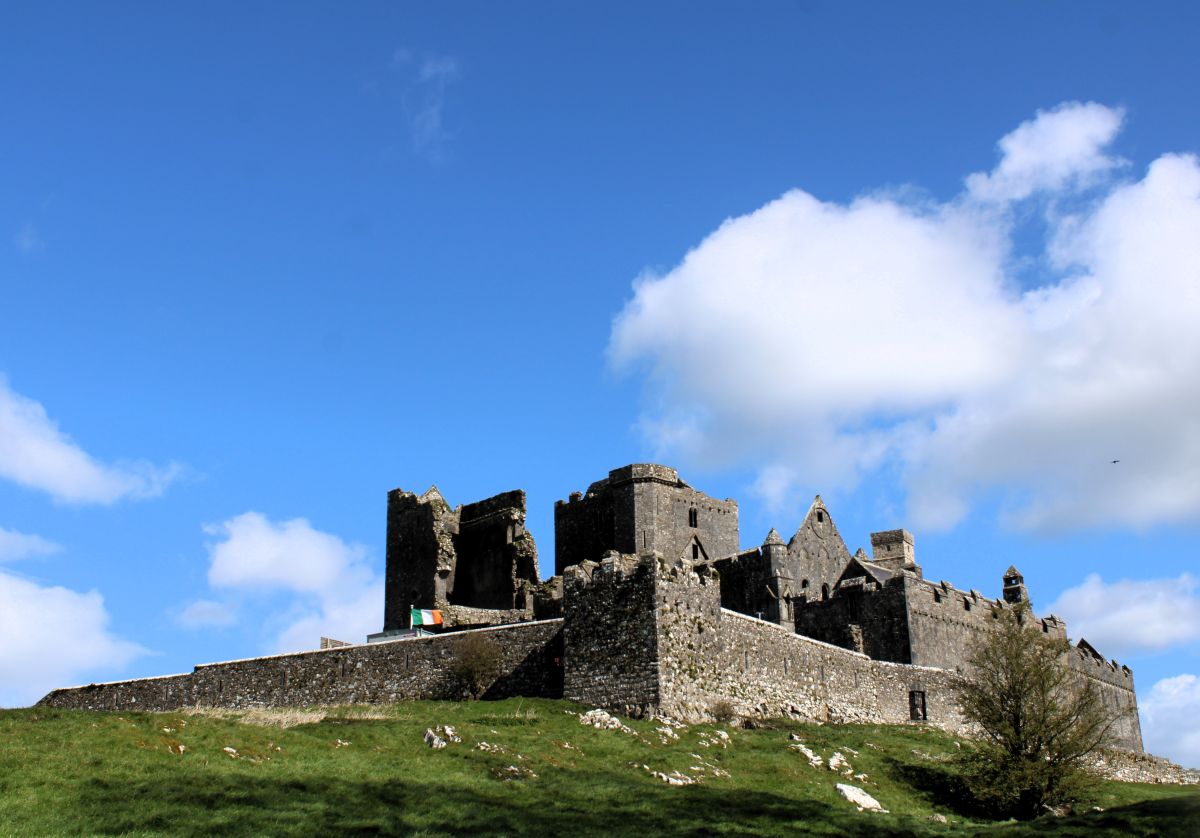
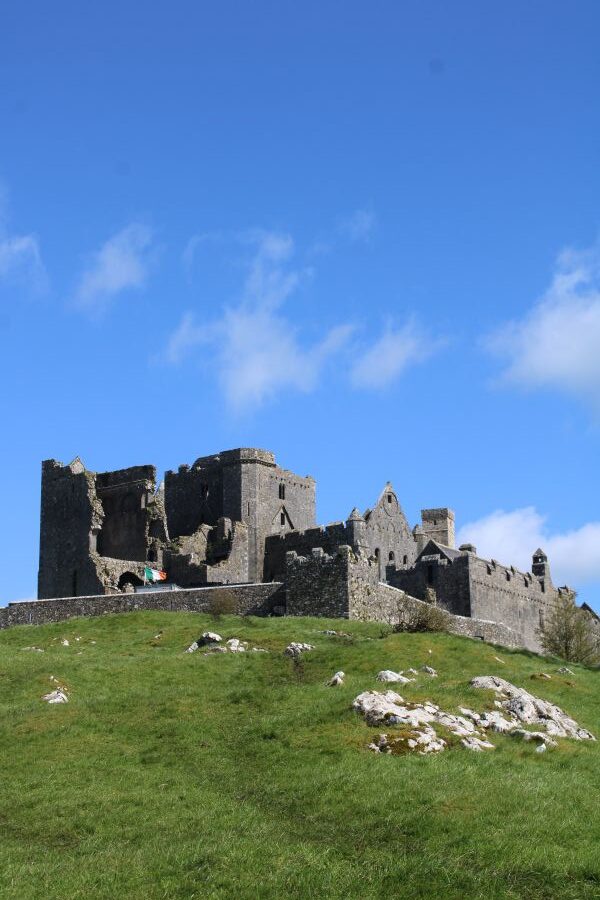
Yep, the Rock of Cashel, also known as St. Patrick’s Rock, is one of the most famous historic sites in Ireland. This striking limestone hill is crowned by an impressive collection of medieval buildings that include a round tower, a high cross, a Romanesque chapel, a Gothic cathedral, and a restored Hall of the Vicars Choral.
Steeped in legend and history, the Rock of Cashel is said to be the site where Saint Patrick converted the King of Munster to Christianity in the 5th century. And it served as the traditional seat of the Kings of Munster before being gifted to the Church in 1101.
But beyond its architectural wonders, the Rock of Cashel offers breathtaking views of the surrounding countryside. The green fields of Tipperary stretch out in every direction, creating a picturesque backdrop. It’s easy to see why this location was chosen for such a significant site!
And in this blog post, I’m gonna tell you everything you need to know before you visit the Rock of Cashel!
How much does it cost to enter the Rock of Cashel?
It costs €8 per adult, and a child over 12 years is €4. And for a senior it’s €6.
The rates are the same if you choose a guided tour or a self-guided tour. But please note the guided tours typically operate on the hour. The ticket agent will let you know when the next one is. And the Cormac’s Chapel visit is by guided tour only. Limited tickets are available daily and can be bought for an extra €3 at the ticket office on-site.
If you don’t have a car to get here, then consider one of these guided tours that include transfers:
The weather:
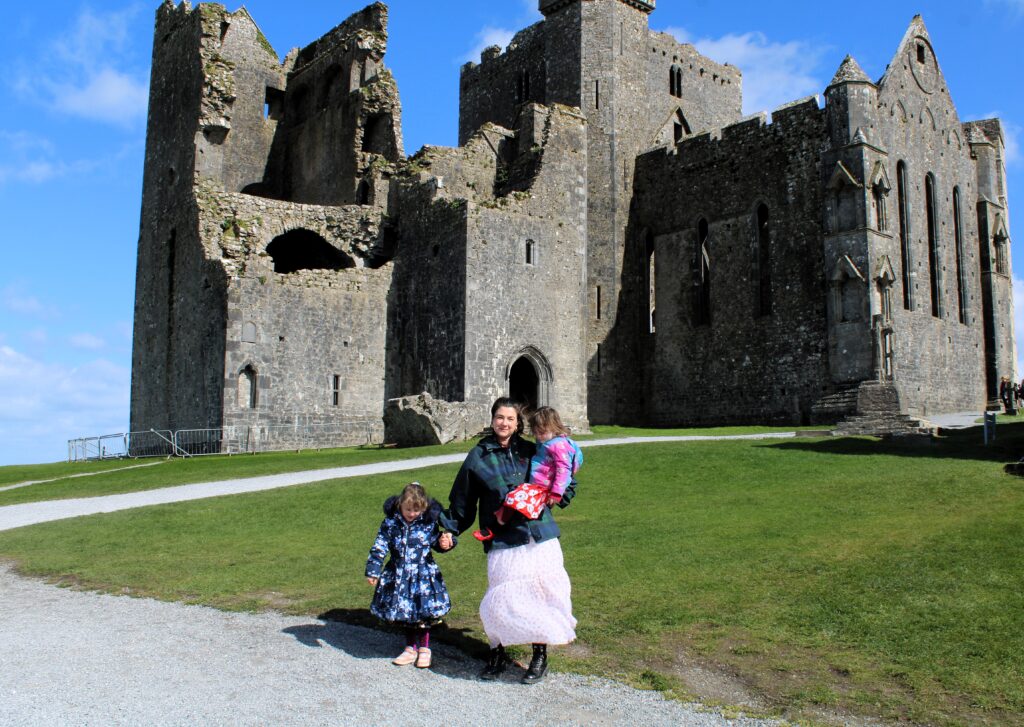
It tends to be very windy on ‘top of the rock’ – and honestly, we were quite nearly blown away when we visited in late March. Well, my daughters (aged 5 and 3 years) were. It does often get closed if there’s a storm or high wind warnings in place – so check that before you go. They will often post it on their Facebook page.
So, layer up when visiting and definitely pack a windbreaker/ water-resistant type jacket even if you’re visiting in the summer. As the whole area is pretty much open to the elements, and there’s just one indoor section – the Hall of the Vicars Choral.
How long to allow:
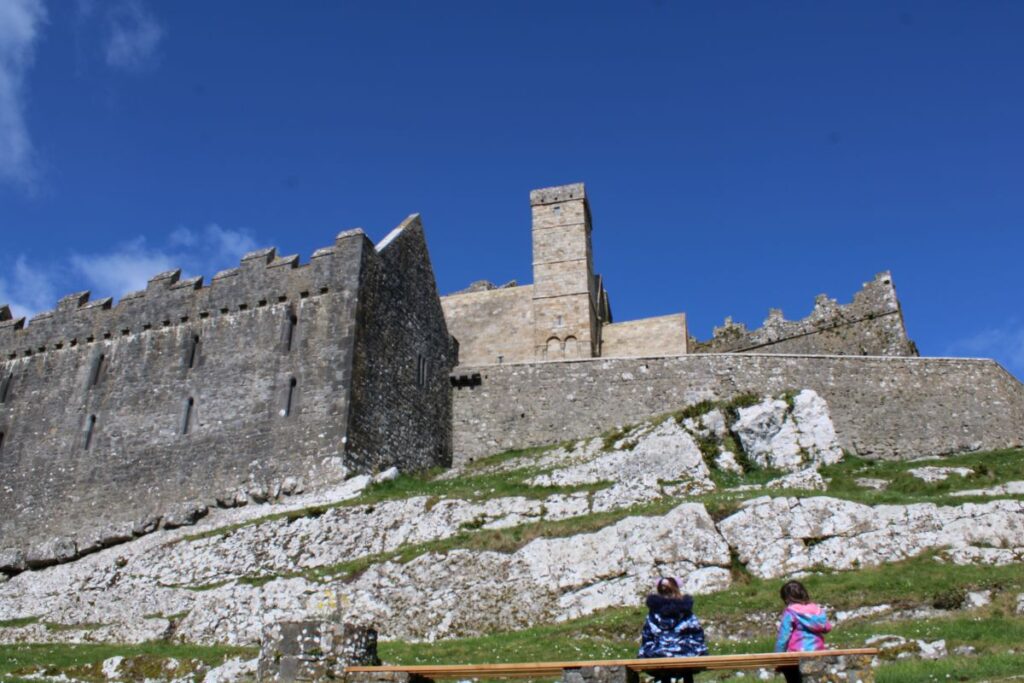
We only spent around 45 minutes here (as I said, it was a very windy visit for us) and we didn’t do the guided tour, so we got through the area quite quickly.
So, I would say an hour is a pretty standard amount of time to spend here, and close to 90 minutes if you do the guided tour (which is an hour long). And then I’d say have an extra 30 minutes to just explore on your own if you choose that option.
Getting to the Rock of Cashel:
The closest international airport to Cashel is Shannon Airport, which is around an hour and 10 minutes’ drive away. Cork Airport is the next closest at just over an hour and 15 minutes drive (without traffic, that is). And finally, Dublin Airport is just under a 2-hour drive away.
If you’re driving from Dublin City, it’s approximately a two-hour journey via the M7 and M8 motorways. Alternatively, you can take a train from Dublin to Thurles or Cahir and then catch a local bus or taxi to Cashel. Bus Éireann also operates direct services from Dublin and Cork to Cashel.
But really, your best bet for getting here is to rent a car. We tend to always book our rental car through Discover Cars. This is a search engine for rental cars and allows you to filter by price if you’re on a budget or by vehicle type if there’s a specific car you’re after.
And I will add that when it comes to driving in Ireland, choose a vehicle that suits your travel needs. If you’re planning to explore rural areas or rugged landscapes, consider renting a compact or four-wheel-drive vehicle, which will handle narrow, winding roads more efficiently. Be sure to book your rental car well in advance, especially during peak tourist seasons, to secure the best rates and availability.
My tips for visiting the Rock of Cashel:
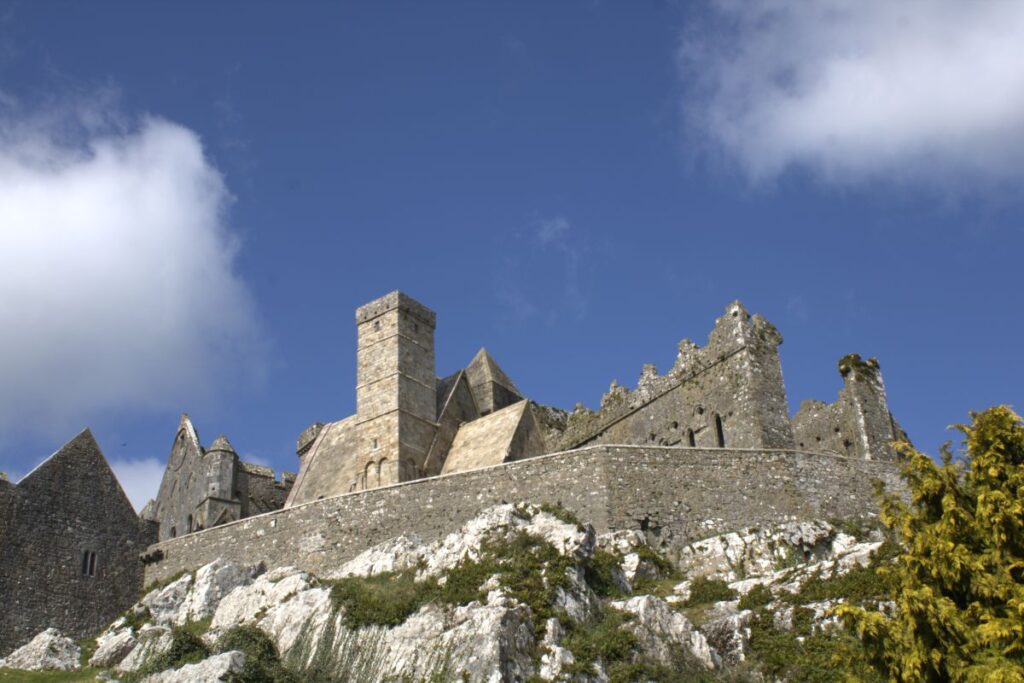
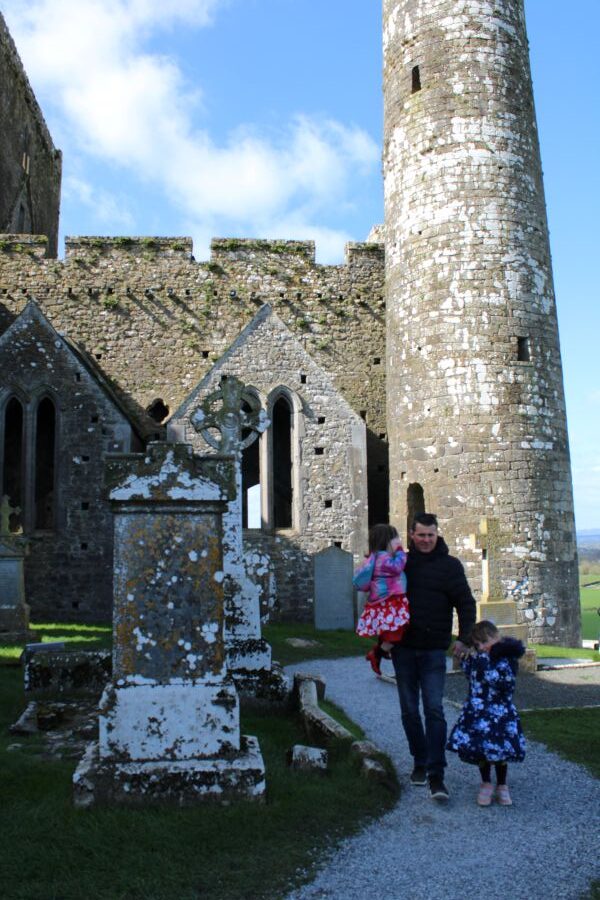
Okay, this iconic site is a must-see for anyone keen to find out more about Irish history. You see, the Rock of Cashel is steeped in myth and legend, with stories that intertwine the lives of saints and kings. According to legend, it was here that St. Patrick converted the then-pagan King Aengus to Christianity in the 5th century. The tale of St. Patrick using a shamrock to explain the Holy Trinity is deeply rooted in the folklore of the Rock!
Visiting the Rock of Cashel is not just about observing ancient ruins; it’s about stepping into a world where history comes alive. Thankfully, the site is well-preserved and provides informative plaques if you want to DIY-it and guided tours if you want to find out more from a local. On our visits, we found the guides here to be knowledgeable and passionate about the site’s history.
The Rock of Cashel can get very busy, especially during the peak tourist season. So aim to get here early (ideally when it opens at 9 am). That will allow you to explore at your own pace and appreciate the peace & quiet before the crowds arrive.
Also, keep in mind the weather – it can get very windy here – so dress appropriately.
As for parking, there is a large car park next to The Rock, and it costs 5 euros per day, or you can try to find street parking nearby.
What is there to see at the Rock of Cashel?
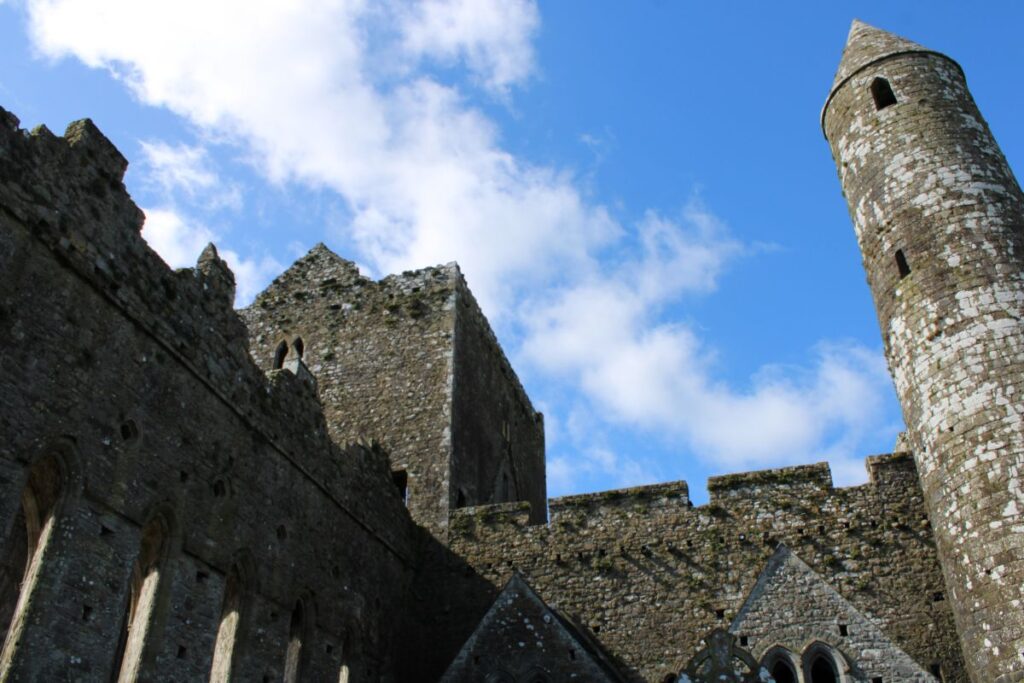
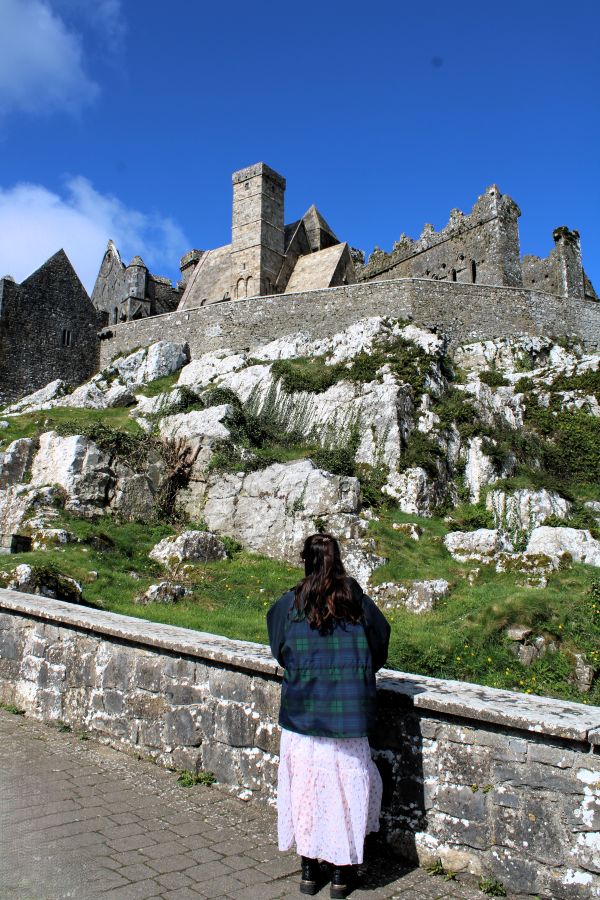
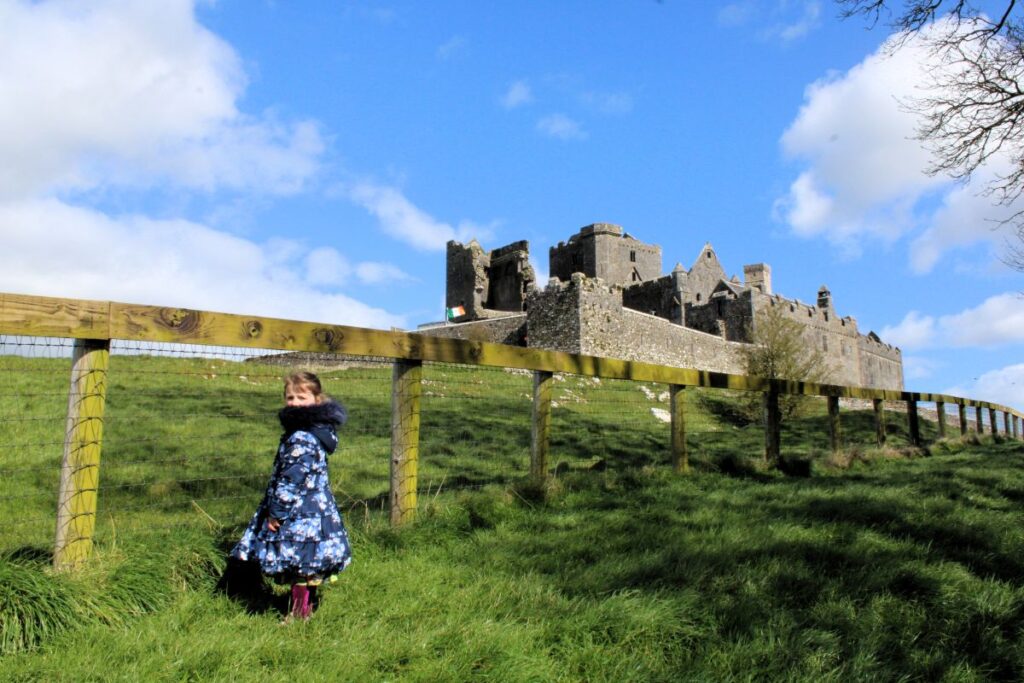
As you approach the site, the first thing that strikes you is the imposing silhouette of this ancient fortress, perched high on a limestone hill and dominating the surrounding landscape.
The complex comprises several remarkable structures, each with its own story to tell. The most striking is the 12th-century round tower, which is one of the most complete and visually impressive in all of Ireland. Standing tall at approximately 28 meters, the round tower is a marvel of early medieval engineering, constructed without mortar and still withstanding the test of time.
Adjacent to the tower is Cormac’s Chapel, a stunning example of Romanesque architecture. Built in the 12th century by King Cormac Mac Carthaigh, the chapel is renowned for its intricate stone carvings and the faint remnants of frescoes that once adorned its walls. It can only be viewed on a guided tour (ask at the ticket office about this).
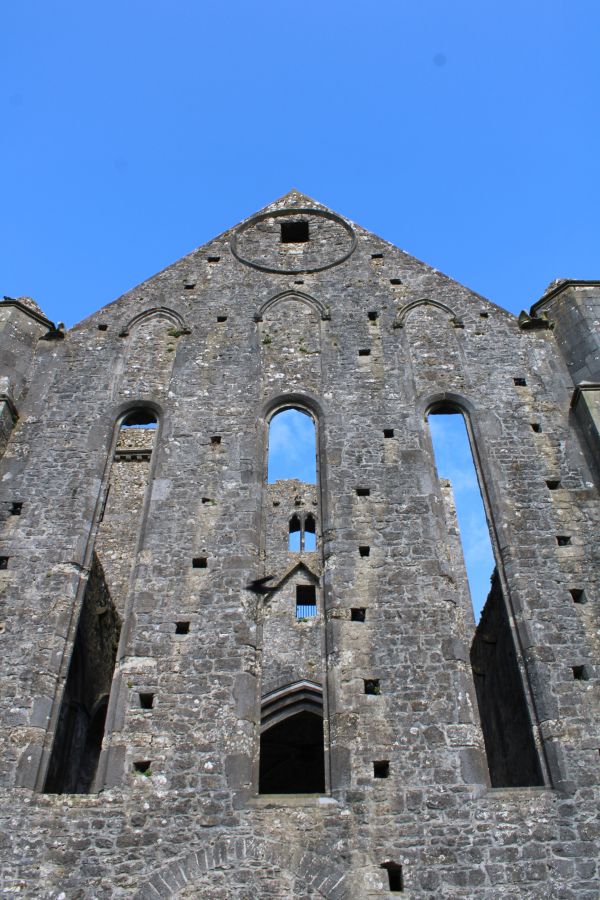
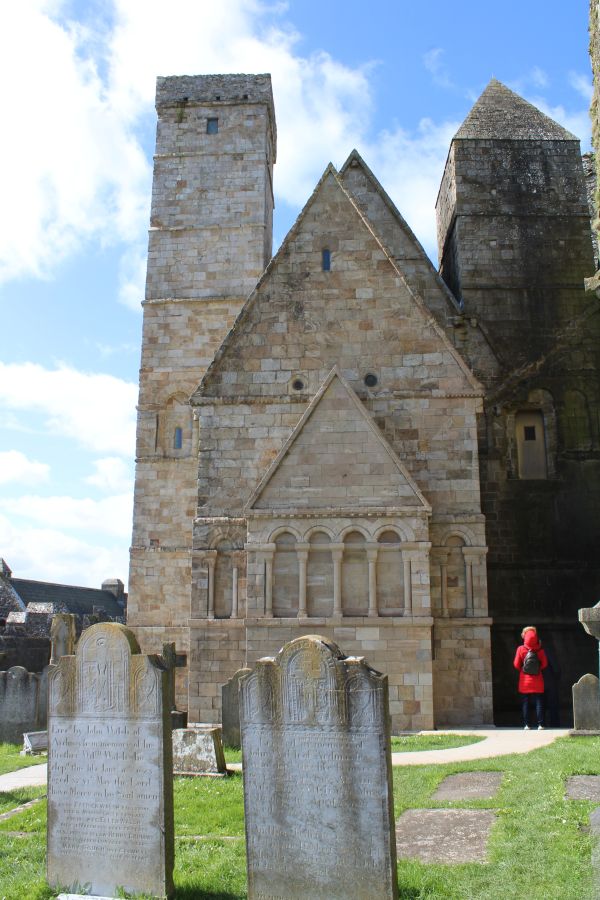
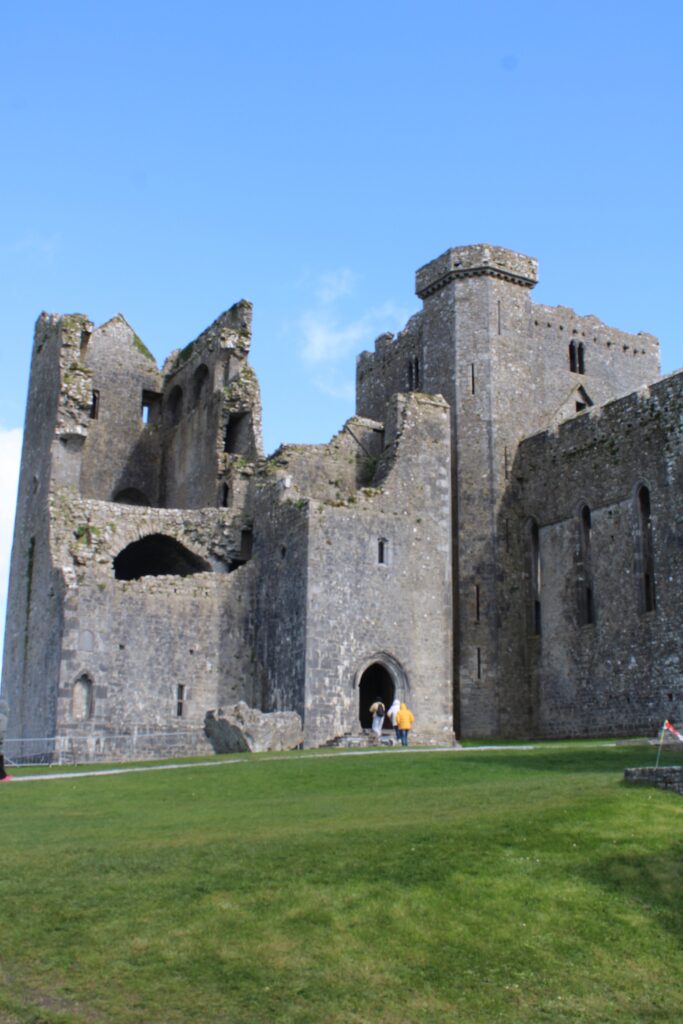
The Gothic cathedral, constructed between the 13th and 15th centuries, adds yet another magical, mystical layer to the site. Its soaring arches and towering walls are a tribute to the craftsmanship of medieval builders. Though roofless today, it’s still impressive, and as the sun streams through the arches, it casts a stunning, almost ethereal glow.
The Hall of the Vicars Choral is another must-see here. It dates back to the 15th century. Originally built to house the group of men who sang during cathedral services, this building now serves as the entrance to the Rock. Here, visitors can explore a small museum that showcases artifacts and provides context for the site’s rich history.
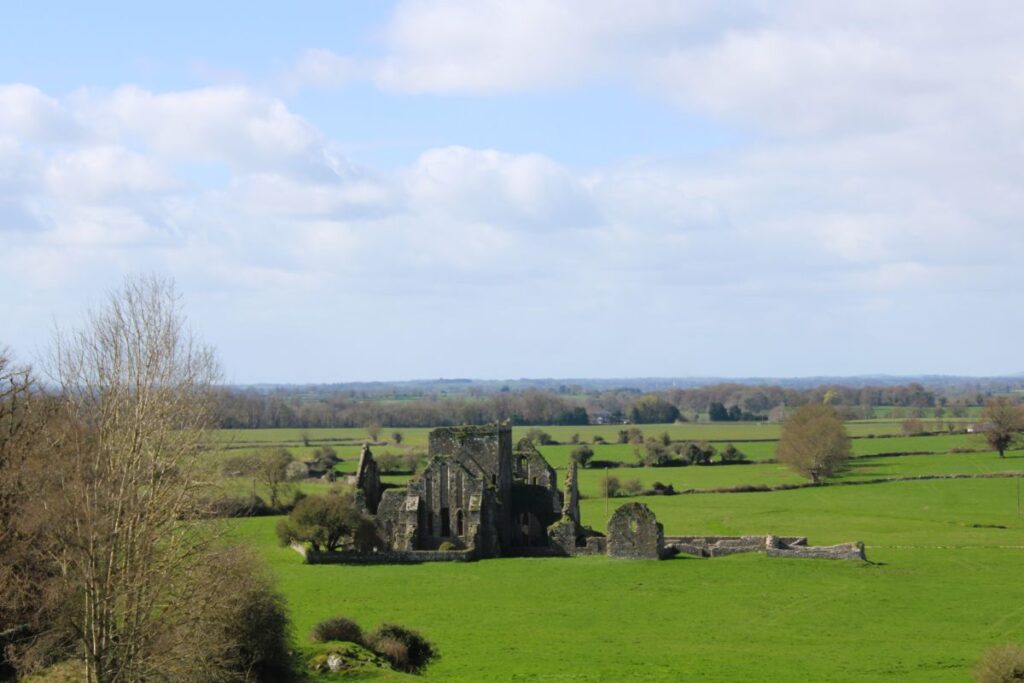
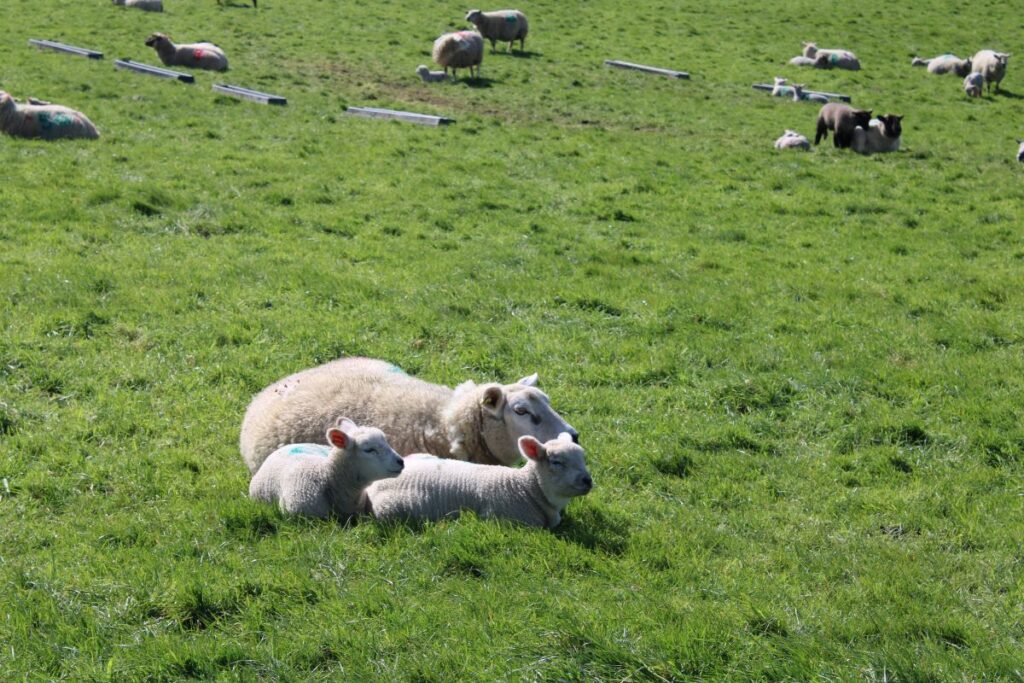
You can also walk the short-ish Hore Abbey Walk (which we highly recommend doing). This popular, easy walk, which starts next to the Rock of Cashel (it’s signposted), takes you across fields to the quiet Hore Abbey ruins. You will also likely see sheep and lambs along the way (who may baa at you as you pass).
What is there to see close to the Rock of Cashel?
Cashel town:
In Cashel town, around a 5-10 minute walk from The Rock, you could spend an hour or so walking the main street and checking out the stores and Cafes as you go. We had lunch at the Cellar Bar (underneath the Baileys hotel), and we really enjoyed it. We also grabbed a takeaway coffee from SOS Beag.
Cahir Castle:
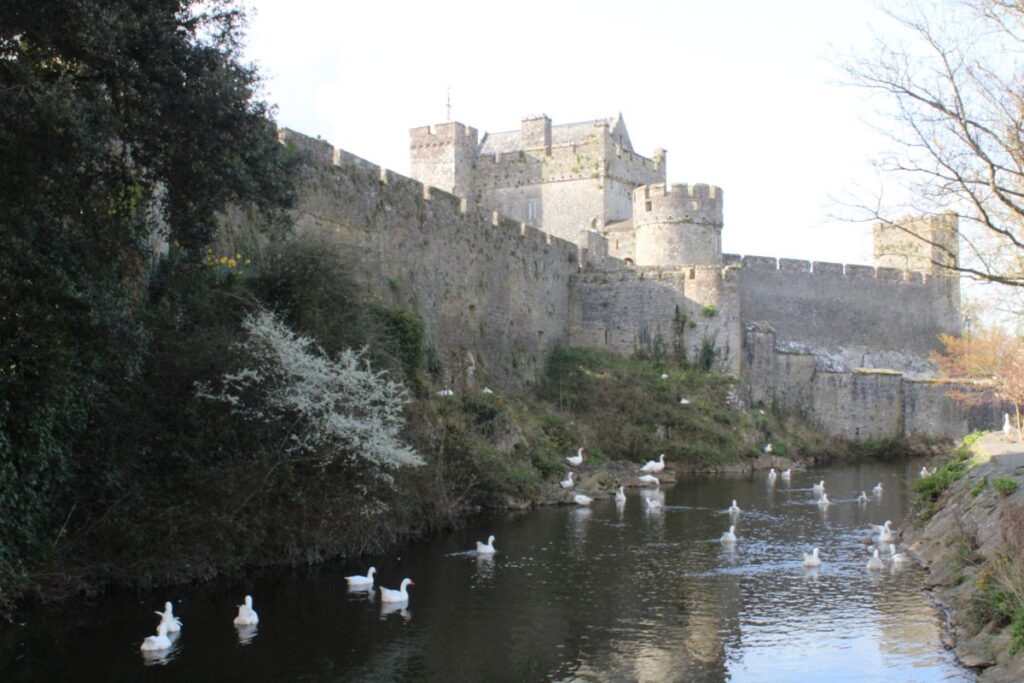
Around a 20-minute drive away is the gorgeous and less popular Cahir Castle.
Constructed in the 13th century by the O’Brien family, it is one of Ireland’s largest and best-preserved castles. The strategic location on a rocky island in the River Suir made it an important defensive stronghold.
Over the centuries, Cahir Castle has witnessed various sieges and battles, including its capture by Oliver Cromwell’s forces in 1650. Today, the castle’s impressive keep, high walls, and beautifully restored interiors are amazing to see in-person.
Cahir Castle has also been the filming location for many movies and TV series over the years, like Excalibur (1981) and The Green Knight (2021), The Last Duel (2021), and The Tudors.
An adult ticket to the castle costs 5 euros, and kids under 12 go free.
Swiss Cottage, Cahir:
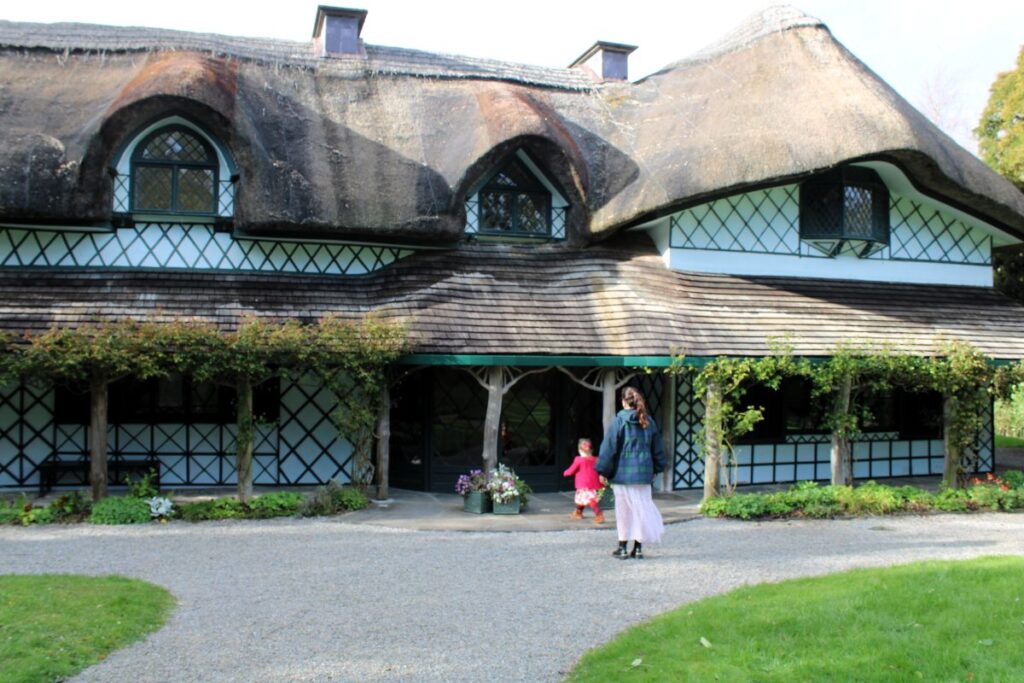
The Swiss Cottage is also worth checking out while you’re in Cahir. It’s a charming example of a cottage orné – a whimsical embodiment of an idealized countryside retreat. It served as a picturesque venue for picnics, intimate gatherings, and fishing and hunting parties, while also providing a serene escape for residents of the nearby grand house.
Constructed in the early 1800s by Richard Butler, the 1st Earl of Glengall, it is believed that he successfully enlisted the renowned Regency architect John Nash to design it. Initially referred to simply as “The Cottage,” it later earned the name “Swiss Cottage” due to its resemblance to an Alpine chalet.
An adult ticket to view the outside of the house costs 5 euros, and kids under 12 are free.
Where to Stay in Cashel
For a luxurious stay, consider the Cashel Palace Hotel, a beautifully restored Georgian mansion offering elegant rooms and fine dining. If you prefer a cozy bed and breakfast, Baileys Hotel Cashel provides a warm atmosphere with comfortable rooms in the heart of the town.
Slainte!
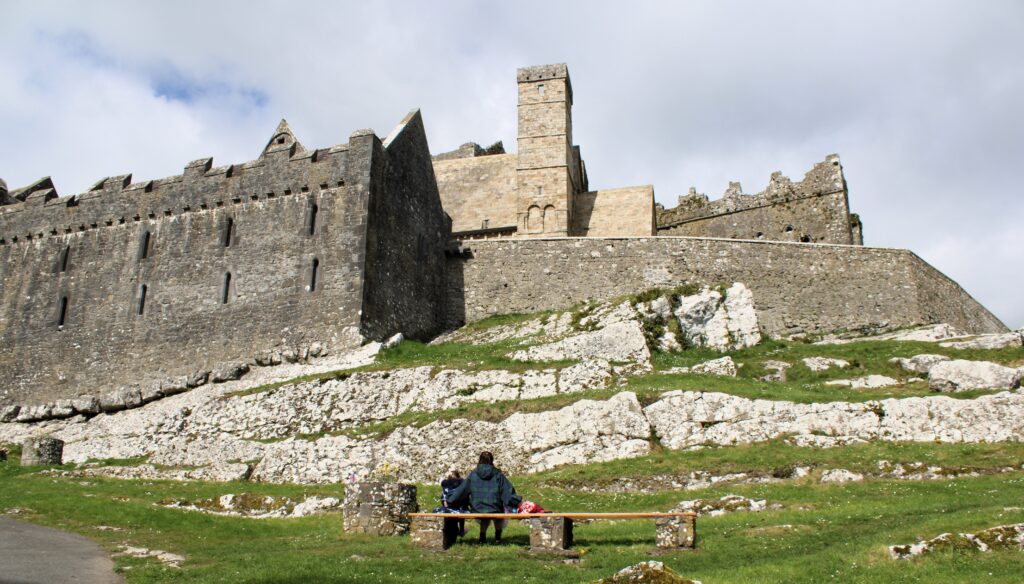
As you stand on this ancient site and gaze upon the rolling hills of Tipperary, you’ll find yourself transported to a time long ago, where the echoes of saints and kings still linger in the air. Whether it’s your first visit or your tenth, the Rock of Cashel never fails to inspire awe and wonder!
You may also like reading these –
How to Spend a Day at Blarney Castle